SUBSCRIBE


Architectural Spaces That Demand Statement Furniture
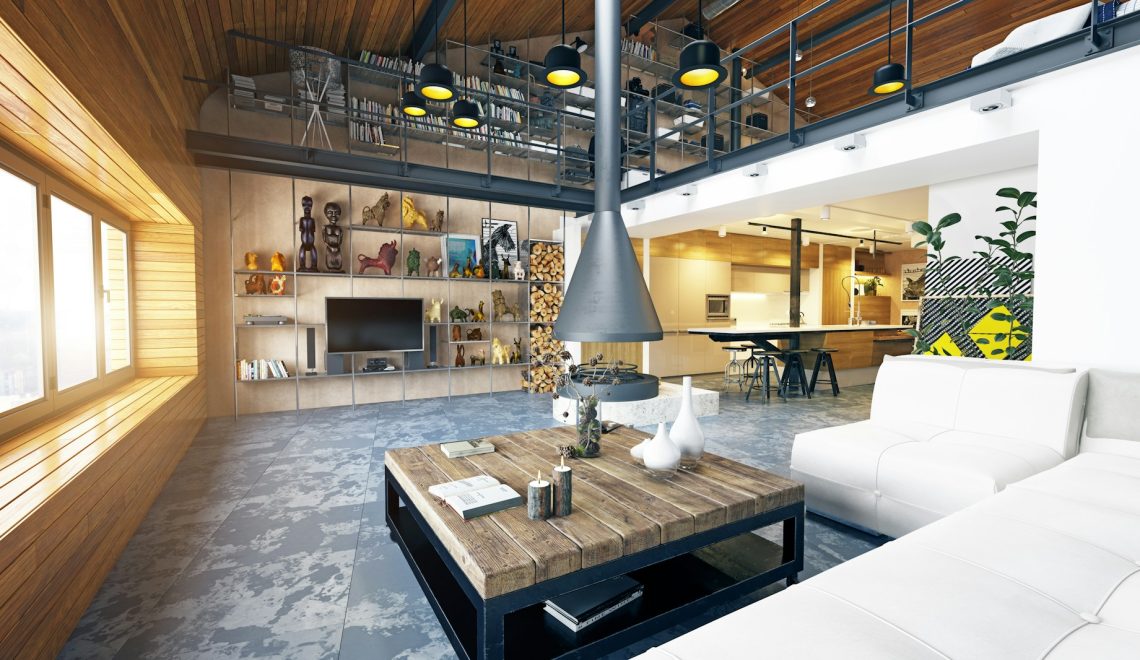
Some interiors are meant to make a statement, like rooms with concrete walls, wooden beams, or glass that goes from floor to ceiling. The architecture does much of the talking in places like these. But that doesn’t mean that furniture should disappear. The correct item can actually echo the boldness of a building while also bringing warmth and individuality.
More and more, designers and homeowners are looking for methods to connect clean lines in architecture with more expressive choices for the inside of a home. One good answer? A handcrafted epoxy coffee table for sale can provide you the perfect balance—it can hold a room together without being too much.
When Architecture Speaks Loudly, Furniture Shouldn’t Whisper
Modern architecture frequently uses materials in their most natural, honest state. Concrete floors, steel supports that can be seen, and large wooden planks are all things that stand out. They want to be treated with respect. The furniture that lives with them must also do the same.
Furniture in these areas needs to fit in with the size and material honesty of the room. But matching doesn’t mean blending in. For example, a dramatic resin table with a live-edge walnut slab can look like structural wood while adding a touch of class. It’s not about stealing the show; it’s about adding style and substance to it.
What Makes a Piece a Statement?
A statement piece isn’t always oversized or flashy. Instead, it draws the eye because it feels intentional—designed, crafted, and placed with care.
Here’s what sets statement furniture apart:
- Materials that are bold and either contrast with or link to the architecture (like shiny resin against matte concrete)
- Organic forms that soften linear spaces
- Visible craftsmanship that mirrors the authenticity of exposed building elements
- Scale that suits open layouts or high ceilings
Statement furniture adds visual weight where it’s needed most—especially in open-plan homes or gallery-like interiors where too much “quiet” can start to feel sterile.
Types of Architectural Spaces That Thrive with Statement Pieces
Some environments almost ask for furniture that can hold its own. Let’s explore a few:
1. Concrete Interiors
Exposed concrete walls or floors often create a neutral backdrop with a cool tone. These spaces benefit from warmer furniture elements—especially wood and resin. An epoxy table with swirling amber tones or embedded copper leaf can bring life and movement to an otherwise subdued space.
2. Glass-Enclosed Rooms
When surrounded by light and views, furniture needs a clear identity to avoid disappearing. Transparent resin, often combined with solid slabs of timber or metal legs, creates a form that both reflects and refracts light—adding complexity without blocking views.
3. Timber Architecture
Homes or studios built with raw or reclaimed wood beams create a sense of warmth and texture. A resin dining table that includes live-edge wood can echo the material of the structure while adding a refined, modern twist. The trick here is not to compete, but to continue the story.

4. Loft and Industrial Spaces
Open ceilings, ductwork, and brick walls define these spaces. They need large-scale, grounded pieces that can stand confidently in the space. Think oversized coffee tables, wide benches, or dining tables that double as workspace—all crafted with visual impact in mind.
5. Minimalist Architecture
Even pared-down spaces with clean geometry benefit from contrast. A single dramatic piece—a uniquely shaped table, a chair made from rare wood and resin—can become the emotional heart of the room.
Function Matters Too
It’s easy to focus on looks, but statement furniture earns its place through utility as well.
- A sculptural table should still be practical.
- A bench with artistic lines must support real use.
- A bold coffee table must invite people to gather around it.
Design doesn’t mean sacrificing comfort or function. It means thinking about how something works and looks at the same time.
Material Choices That Work with Strong Architecture
Certain materials naturally pair well with expressive architecture:
- Resin and wood: Blending the organic and the synthetic. A natural partnership for timber-heavy buildings.
- Steel and glass: For crisp, urban interiors. Add warmth with natural textures.
- Stone with resin: Use light-reflective resin pieces to break up massive stone floors or walls.
These combinations let the furniture “talk back” to the space around it without raising its voice.
Why Resin Furniture Works So Well Here
Resin furniture, especially when combined with natural wood or metal, has a presence that feels both modern and timeless. Its ability to mimic the flow of water, the transparency of glass, or the warmth of amber makes it uniquely adaptable to different architectural moods.
Its biggest strength? Flexibility in design. Resin can take on different shapes, colors, and textures. That makes it a great choice when you want a piece that reflects the identity of a space rather than imposes on it.
It’s also highly durable, meaning these pieces aren’t just showpieces—they’re built for real life.
The Power of Placement
The location of your statement furniture is just as significant as the furniture itself.
- In a large room, center a low table beneath a pendant light.
- Place a sculptural bench along a windowed wall to anchor the view.
- Let a dining table sit slightly apart from the walls so it stands independently.
Give statement furniture space to breathe, and it will return the favor by grounding the entire room.
Wrapping Up
When building is assertive, furniture needs to stand up—not with flash, but with presence. A well-made piece adds something personal to a room that is all about structure and shape. It doesn’t have to be better than the walls or flooring, but it should feel like it fits in.
A thoughtfully crafted piece, made with intention and rooted in natural materials, can do exactly that.
For more ideas on how to bring balance between architecture and artistry, explore the designs at ThunderWood Studio.
More to Love!
Rachel Scheff’s Cinematic Interior Design Process
Lavish Lounging: Elevate Your Relaxation Space