SUBSCRIBE


The Best Bushes to Frame Walkways, Facades, and Outdoor Living Spaces
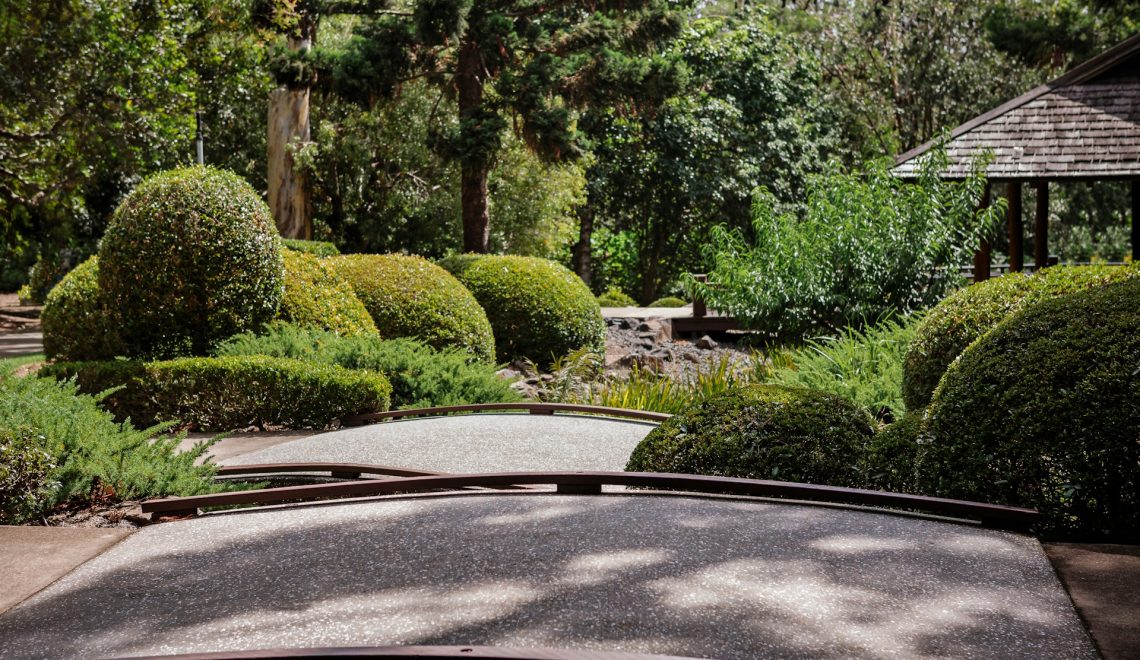
Creating inviting and visually compelling outdoor spaces hinges on thoughtful plant selection, especially when framing key features like walkways, entrances, patios, and terraces. Bushes offer structure, foliage contrast, seasonal color, and natural softness that enhance curb appeal and elevate everyday outdoor enjoyment.
Be that as it may, not all bushes serve the same purpose. Some thrive in symmetrical hedging along a front path, while others shine as asymmetrical accent pieces near seating areas or house corners. This guide explores the best-performing and most versatile bushes to define and beautify walkways, facades, and outdoor living spaces—starting with one of the most stylish and low-maintenance options: Loropetalums.
Loropetalums: Stylish Color, Shape, and Structure
Loropetalums are prized for their richly colored foliage, showy fringed flowers, and ability to thrive in a variety of landscapes—making them ideal for framing walkways, highlighting architectural lines, or softening patio edges.
Why Loropetalums Stand Out
Also known as Chinese fringe flowers, loropetalums are evergreen shrubs that blend striking aesthetics with minimal maintenance. Their standout feature is their foliage—ranging from deep burgundy to dusky purple—and the elegant, fringe-like blooms in shades of fuchsia, white, or pink that appear in spring and often sporadically throughout the year in warmer climates.
Best Uses Around The Home
- Framing Walkways: Compact varieties like ‘Purple Pixie’ or ‘Jazz Hands Mini’ stay low (2–3 feet tall), creating colorful edging along garden paths or front walkways without overpowering the space.
- Accentuating Facades: Medium-sized cultivars like ‘Ruby’ or ‘Ever Red’ (4–6 feet tall) can anchor the front corners of your home, drawing the eye upward while balancing the lines of porches and windows.
- Outdoor Living Spaces: Larger varieties like ‘Zhuzhou Fuchsia’ make excellent privacy hedges or screening plants when placed around decks, patios, or pool areas.
Care & Climate Needs
Loropetalums prefer acidic, well-drained soils and thrive in USDA zones 7–10. They tolerate partial shade but develop their richest color and densest shape in full sun. Once established, they’re drought-tolerant and rarely bothered by pests or diseases.
Boxwoods: Timeless Structure for Symmetry And Form
Few bushes offer the sheer versatility and visual order of boxwoods. Whether you’re lining a gravel walkway, shaping a formal entry garden, or enclosing a sitting area, boxwoods create clean lines and crisp borders.
Classic And Contemporary Applications
Boxwoods are evergreen, compact, and easy to shape, making them the quintessential foundation shrub. Dwarf English boxwood (‘Suffruticosa’) is ideal for low borders and pathway framing. Varieties like ‘Green Velvet’ and ‘Winter Gem’ maintain their shape with minimal pruning and tolerate both sun and partial shade.
Design Versatility
Their dense habit and slow growth make boxwoods perfect for topiary designs, parterre borders, or geometric shapes alongside modern architecture. Around facades, they pair well with stone or stucco and add definition to traditional columns or arches. For outdoor living areas, larger boxwoods can be grown in containers or as hedge dividers.
Durability And Maintenance
Boxwoods grow best in USDA zones 5–9. They’re adaptable to most soils but require adequate air circulation to prevent fungal issues. Water at the base to avoid foliage discoloration and prune lightly in early spring or late summer for shaping.

Hydrangeas: Voluminous Color and Seasonal Drama
For homeowners seeking big seasonal impact, hydrangeas are unmatched. With their large, rounded blooms and lush green foliage, they provide a soft, dramatic contrast to hardscape elements and enhance both formal and informal garden designs.
Eye-Catching Framing Potential
Hydrangeas are ideal for flanking entryways or anchoring either side of a seating area. Varieties like ‘Limelight’ and ‘Annabelle’ can reach 5–6 feet, delivering bold presence and reliable summer blooms. For walkways, compact selections such as ‘Little Lime’ or ‘Bobo’ stay under 3 feet and offer high-impact color without crowding narrow paths.
Perfect For Outdoor Living Zones
Hydrangeas thrive in dappled light, making them perfect for edges of pergolas, garden rooms, or screened patios. They also soften structural elements like retaining walls or fencing when planted en masse.

Care Requirements
Most hydrangeas grow well in zones 4–9, depending on the variety. They prefer moist, well-draining soil and benefit from mulch to retain moisture. Bloom color in some types (like mopheads) can be influenced by soil pH—acidic soils yield blue, while alkaline soils produce pink.
Abelias: Graceful Movement and Year-Round Appeal
Abelias offer a graceful, arching form combined with multi-season interest, making them ideal for softening edges, flanking walkways, or framing patio transitions.
Visual Flow And Flexibility
These semi-evergreen to evergreen shrubs have glossy leaves that often turn bronze or purple in fall. Tiny, fragrant trumpet-shaped flowers bloom profusely from late spring to fall, attracting pollinators. Abelias like ‘Kaleidoscope’ or ‘Radiance’ add color and dimension with their variegated foliage and can be used effectively in tight planting spaces or sloped borders.
Pathway And Patio Use
Plant abelias in staggered formations along walkways to create a gentle, natural feel. Near outdoor living spaces, their airy structure and extended bloom time provide continual movement and interest without overpowering the area.
Maintenance Tips
Abelias are drought-tolerant once established and grow best in zones 6–9. Prune lightly in late winter to encourage compact growth, and ensure they’re in a well-drained location with plenty of sunlight to enhance foliage and flower production.
Spireas: Reliable Bloomers for Informal Charm
Spireas are among the most reliable and carefree shrubs for borders, walkway edges, and casual landscape designs. Their tidy mounding form and repeated flushes of flowers make them an easy choice for continuous interest.
Variety And Seasonality
Spireas like ‘Gold Mound,’ ‘Magic Carpet,’ and ‘Little Princess’ offer colorful foliage ranging from chartreuse to coppery orange, with clusters of pink or white blooms in spring and summer. They grow in uniform, rounded shapes, ideal for lining driveways or transitioning from a formal entry to a more relaxed backyard setting.
Outdoor Framing Use
Spireas excel when used as filler plants between architectural anchors or around raised patios and deck foundations. Their foliage color adds visual contrast even when not in bloom, ensuring year-round visual texture.
Hardiness And Growth
These shrubs grow best in USDA zones 4–9 and adapt well to a range of soils. Full sun ensures optimal flowering and growth, though some shade is tolerated. They benefit from annual pruning to maintain size and encourage reblooming.

Wrapping Up
From the vivid colors of loropetalums to the classic symmetry of boxwoods and the informal charm of spireas, the right shrubs can enhance the layout, feel, and value of your outdoor space.
Thoughtfully selected bushes add much more than greenery—they create rhythm, contrast, privacy, and beauty around your walkways, home exterior, and outdoor living areas. Choose based on sunlight, climate, maintenance level, and the mood you want to create, and your landscape will reward you year-round with both structure and soul.
Feature Image by Sandie Peters
More to Love!
Here’s How You Can Get Your Garden Ready For Summer
The Art of Hardscaping: Creating Stunning Outdoor Spaces with Boulders and Stone