SUBSCRIBE


Can Better Insulation Reduce Noise in Your Home?
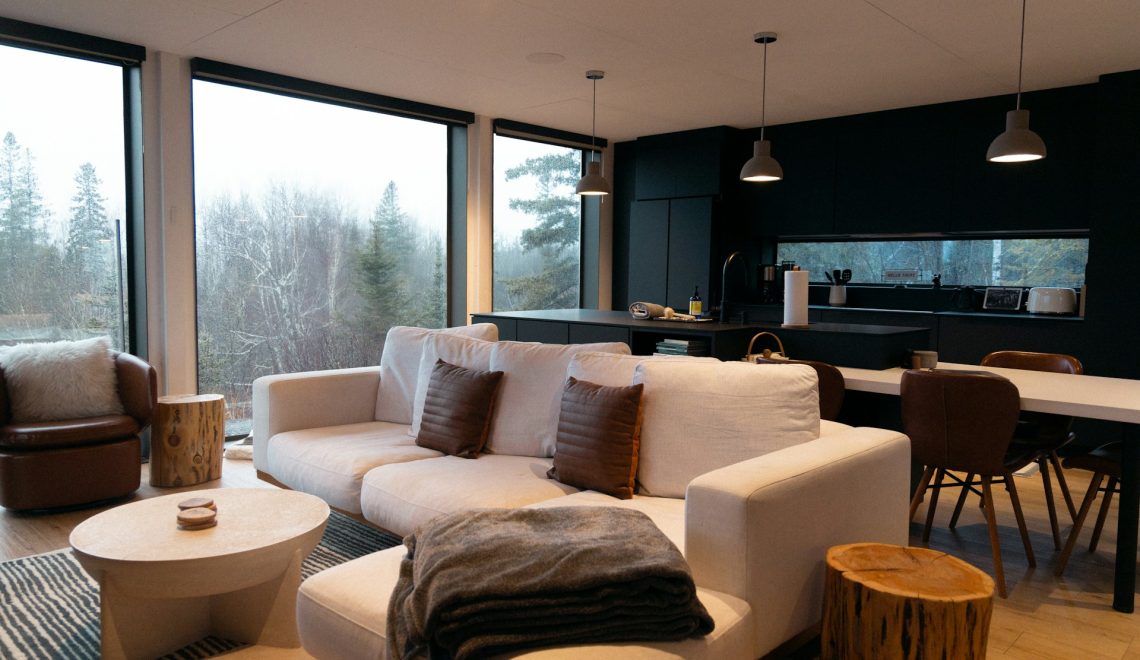
Your home should be a haven of peace, but unwanted noise can turn it into a source of frustration. From the constant hum of traffic to the sound of footsteps echoing through your house, noise pollution is a growing concern for homeowners. Fortunately, better insulation can significantly reduce noise while also improving energy efficiency and overall comfort. This comprehensive guide explores how insulation tackles noise problems, addresses common homeowner pain points like high energy bills and temperature inconsistencies, and offers practical solutions tailored to your needs. Whether you’re in a bustling urban area or a quiet suburb, insulation can transform your home into the serene retreat you deserve.
Why Noise Is a Growing Concern for Homeowners
Noise pollution is more than a minor annoyance—it disrupts daily life, affects well-being, and drives homeowners to seek effective solutions. In both urban and suburban settings, the challenge of maintaining a quiet home is becoming increasingly common, prompting many to explore insulation as a remedy.
The Impact of Noise on Home Comfort
Picture this: you’re settling in for a relaxing evening, only to be interrupted by the blare of car horns or the rumble of a neighbor’s lawnmower. For many homeowners, especially in busy areas, external noises like traffic, construction, or even stormy weather can make it impossible to unwind. These disturbances lead to stress, poor sleep, and a reduced quality of life, particularly for families, remote workers, or retirees who value peace. In coastal regions like St. Petersburg, seasonal storms amplify these issues, making noise control a top priority. Homeowners often turn to searches like “how to reduce noise in home” to find solutions that restore tranquility.
Common Sources of Noise in Homes
Noise comes from both outside and inside your home, creating a constant challenge. External sources include busy roads, construction sites, barking dogs, or wind and rain during storms—common in hurricane-prone areas. Inside, HVAC systems humming, footsteps on upper floors, or appliances like dishwashers can disrupt quiet spaces. Poor insulation, especially in older homes, acts like a megaphone, letting these sounds travel freely through walls, ceilings, and floors. For example, a homeowner in a suburban neighborhood noticed that thin walls made every car passing by feel like it was in their living room. Addressing searches like “soundproofing solutions for homes” or “reduce noise in house,” insulation offers a practical fix to these widespread issues.
How Insulation Affects Noise Levels
Insulation isn’t just about keeping your home warm in winter or cool in summer—it’s a powerful tool for reducing noise. By understanding how insulation works to block or absorb sound, homeowners can make informed decisions to create a quieter, more comfortable living environment.
The Science of Soundproofing with Insulation
Sound travels as waves through air or solid surfaces, and poorly insulated homes provide plenty of pathways for noise to enter or move within. Insulation materials like spray foam, fiberglass, and cellulose work by either absorbing these sound waves or blocking their path. Spray foam, for instance, expands to fill tiny gaps and cracks, creating a tight seal that stops both noise and air leaks. Fiberglass batts, with their dense, fibrous structure, trap sound waves, reducing their intensity. Cellulose, made from recycled paper, is particularly effective at dampening vibrations. According to the U.S. Department of Energy, proper insulation can improve both acoustic comfort and thermal performance, making it a versatile solution for homeowners seeking “best insulation for soundproofing.”
Insulation vs. Other Soundproofing Methods
While options like acoustic panels, heavy curtains, or soundproofing foam exist, they often fall short compared to insulation. Curtains may muffle some external noise but do little for air leaks that let sound through. Acoustic panels are effective for specific rooms but can be costly and don’t address energy efficiency. Insulation, however, offers dual benefits: it reduces noise while also lowering energy bills by up to 20%, as noted by Energy Star. For example, a homeowner who added spray foam insulation to their exterior walls noticed not only quieter rooms but also a significant drop in their summer cooling costs. This makes insulation a top choice for those searching for “noise-reducing insulation types” or “soundproofing solutions for homes.”
Insulation Solutions for Common Noise Problems
Every home faces unique noise challenges, but targeted insulation upgrades can address them effectively. Whether you’re battling external noise from a busy street or internal sounds in a multi-story home, insulation offers practical solutions tailored to your needs.
Tackling External Noise in Busy Neighborhoods
Living near a busy road or in a vibrant community like St. Petersburg often means dealing with constant noise from traffic, construction, or even nightlife. Air leaks around windows, doors, or poorly insulated walls are common culprits, allowing sound to seep into your home. Upgrading insulation in exterior walls with materials like spray foam or fiberglass can create a robust barrier against these noises. For instance, a St. Petersburg homeowner near a main road found that new wall insulation reduced traffic noise by nearly half, making their living room feel like a true retreat. In hurricane-prone areas, insulation also helps during stormy seasons by minimizing wind noise and protecting against moisture infiltration. For expert solutions tailored to coastal climates, consider reaching out to insulation companies St Petersburg.
Reducing Internal Noise for Multi-Story Homes
In multi-story homes, internal noises can be just as disruptive as external ones. Footsteps from upstairs, the hum of an HVAC system, or even conversations traveling through walls can disturb quiet spaces. Insulating floors and ceilings with materials like cellulose or spray foam can significantly reduce these sounds. For example, a family with young children in a two-story home struggled with noise from upstairs playtime interrupting remote work calls downstairs. After professional insulation was added to the floor joists, the noise dropped noticeably, creating a more productive workspace. This solution is ideal for homeowners searching for “insulate floors for noise” or “quiet home insulation,” especially for families, remote professionals, or anyone seeking a peaceful home environment.
Additional Benefits of Noise-Reducing Insulation
While reducing noise is a major draw, insulation offers additional benefits that address other common homeowner concerns, from skyrocketing energy bills to inconsistent indoor temperatures.
Boosting Energy Efficiency and Home Comfort
Poor insulation doesn’t just let noise in—it also allows heat and cold to escape, forcing your HVAC system to work harder and driving up energy bills. By sealing air leaks and adding high-quality insulation, you can maintain consistent indoor temperatures year-round. For instance, a homeowner in a humid climate noticed their air conditioner ran less frequently after upgrading attic insulation, cutting their summer cooling bills by 15%. Insulation also eliminates hot or cold spots, ensuring every room feels comfortable. Homeowners searching for “energy-efficient insulation” or “lower energy bills with insulation” will find that these upgrades deliver immediate and noticeable improvements in comfort and savings.
Long-Term Savings and Home Value
Investing in insulation is a financial win for homeowners. Beyond immediate energy savings, high-quality insulation increases your home’s resale value, as energy-efficient homes are highly sought after in today’s market. A well-insulated home stands out to buyers looking for comfort and lower utility costs. Professional installations are durable, often lasting decades without needing replacement, unlike temporary fixes like curtains or foam panels. For example, a couple upgrading their 1960s home saw their property value rise after adding modern insulation, making it a smart investment. This addresses homeowner concerns about ROI and appeals to those researching “home improvement investments” or “increase home value with insulation.”

Why Professional Installation Matters
While DIY projects can be tempting, insulation requires precision to deliver optimal noise reduction and energy efficiency. Professional installation ensures your home gets the full benefits without costly mistakes or safety risks.
The Risks of DIY Insulation for Soundproofing
For homeowners, choosing pros who use modern scheduling and dispatch tools can make installation day smoother. Many insulation and HVAC contractors coordinate crews, appointments, and follow-ups with HVAC software—a comprehensive solution for scheduling, dispatching, estimates, invoices, and customer communication that keeps your project on track with minimal disruption. You’ll get timely reminders, clear arrival windows, and easy digital payments, while technicians have job details, photos, and checklists on mobile—helping ensure your new insulation integrates properly with existing ductwork and ventilation and performs as expected.
DIY insulation projects often lead to problems that undermine their effectiveness. Common mistakes include improper sealing, leaving gaps that let noise and air through, or choosing the wrong material for the job. For instance, installing fiberglass batts without sealing air leaks can reduce noise reduction by up to 30%. These errors not only fail to solve noise issues but can also lower energy efficiency and create safety hazards, like mold from trapped moisture in humid climates. Homeowners seeking reliable, long-lasting results should avoid these pitfalls and opt for professional expertise to ensure proper installation.
TLS Energy Savers: Your Trusted Insulation Experts
For a seamless, high-quality solution, TLS Energy Savers is a trusted leader in professional insulation services. Their team specializes in a range of insulation types, including spray foam, fiberglass, and cellulose, tailoring solutions to address both noise reduction and energy efficiency. Whether you’re dealing with street noise in a busy neighborhood or internal disturbances in a multi-story home, TLS Energy Savers conducts thorough assessments to identify problem areas and deliver customized installations. Their expertise ensures a quiet, comfortable home with long-term savings, making them a go-to choice for homeowners searching for “professional insulation services near me” or “best insulation contractors.”
Choosing the Right Insulation for Your Home
Selecting the right insulation depends on your home’s specific needs, your budget, and your goals for noise reduction and energy efficiency. Understanding the options and how they fit your home is key to making an informed decision.
Comparing Insulation Types for Noise and Efficiency
Here’s a breakdown of popular insulation types and their benefits for soundproofing and energy efficiency:
- Spray Foam: Expands to fill gaps, offering superior noise reduction and air sealing. Ideal for walls and attics but comes at a higher cost.
- Fiberglass: Affordable and widely available, effective for sound absorption in walls, ceilings, and attics. Easy to install in large areas.
- Cellulose: Eco-friendly and excellent for dampening vibrations, especially in floors and older homes. Budget-friendly with strong noise reduction.
Each type is compatible with existing HVAC and ventilation systems, but the choice depends on your home’s structure and climate. In humid or coastal areas, spray foam’s moisture resistance makes it a top pick for preventing noise and mold issues. Homeowners researching “best insulation for soundproofing” should consider both performance and cost when deciding.
Customizing Insulation for Your Home’s Needs
No two homes are alike, and a one-size-fits-all approach to insulation won’t deliver optimal results. Professional assessments identify specific sources of noise and energy loss, such as thin walls in older homes or uninsulated attics in new builds. For example, a homeowner in a historic property found that targeted wall insulation reduced street noise while preserving the home’s charm. Whether you’re retrofitting an older home or optimizing a new build, professionals like TLS Energy Savers design solutions tailored to your needs. This approach appeals to homeowners searching for “custom insulation solutions” or “insulation for older homes,” ensuring maximum comfort and efficiency.
Taking the Next Steps Toward a Quieter Home
Ready to enjoy a quieter, more comfortable home? Upgrading your insulation is a straightforward process that delivers immediate and lasting benefits. Here’s how to get started and what to expect.
How to Start Your Insulation Upgrade
The journey to a quieter home begins with a professional consultation and home assessment. Experts inspect your home to pinpoint noise and energy loss sources, such as air leaks or under-insulated areas. Based on the findings, they recommend the best insulation type and installation plan. The process typically takes 1–3 days, with minimal disruption to your daily routine. Homeowners often notice immediate improvements, like quieter rooms and lower energy bills. For instance, a family upgrading their attic insulation reported a noticeable drop in both noise and cooling costs within days.
Partnering with Experts for Lasting Results
Working with experienced contractors ensures your insulation performs as promised. TLS Energy Savers offers warranties, low-maintenance solutions, and ongoing support to keep your home comfortable for years. With seasonal challenges like summer heat or stormy weather approaching, now is the perfect time to act. Don’t let noise or high energy bills disrupt your home’s peace—invest in professional insulation for results that last. This proactive approach resonates with homeowners searching for “insulation installation process” or “long-term home comfort solutions.”
Frequently Asked Questions About Noise-Reducing Insulation
How Much Can Insulation Reduce Noise in My Home?
Insulation can reduce noise levels by 15–50%, depending on the material and installation quality. For example, spray foam can lower traffic noise by up to 20 decibels when applied to exterior walls, while cellulose in floors can significantly quiet footsteps. Professional installation is key to maximizing these results, ensuring no gaps or weak spots remain.
What Is the Cost of Installing Noise-Reducing Insulation?
Costs vary based on home size, insulation type, and project scope. On average, expect $1–$3 per square foot for fiberglass or cellulose, with spray foam costing more due to its advanced sealing properties. The investment pays off through energy savings (up to 20% on utility bills) and enhanced comfort, making it a cost-effective solution for most homeowners.
Which Insulation Material Is Best for Soundproofing?
Spray foam excels at sealing air leaks and reducing noise, making it ideal for walls and attics in noisy areas. Fiberglass is a budget-friendly option for broad coverage, while cellulose offers strong noise dampening and eco-friendly benefits, especially for floors. Your choice depends on your budget and noise reduction goals, with professional guidance ensuring the best fit.
Will New Insulation Work with My Existing HVAC System?
Yes, properly installed insulation complements HVAC systems by reducing strain and improving efficiency. For example, sealing air leaks with spray foam can lower cooling costs by making your HVAC work less. Professional assessments ensure compatibility, addressing ventilation needs to prevent moisture issues, especially in humid climates.
How Long Does Professional Insulation Installation Take?
Most insulation projects take 1–3 days, depending on the home’s size and the scope of work. TLS Energy Savers prioritizes efficiency, completing installations with minimal disruption. Homeowners can expect a quieter, more comfortable home almost immediately, with long-term benefits like lower bills and enhanced peace.
More to love!
Creating Spaces to Cultivate Happiness: The Psychology Behind a Well-Designed Luxury Home
Simple Steps to Make Your Home More Self-Sufficient