SUBSCRIBE


First-Person Storytelling with POV Action Cams
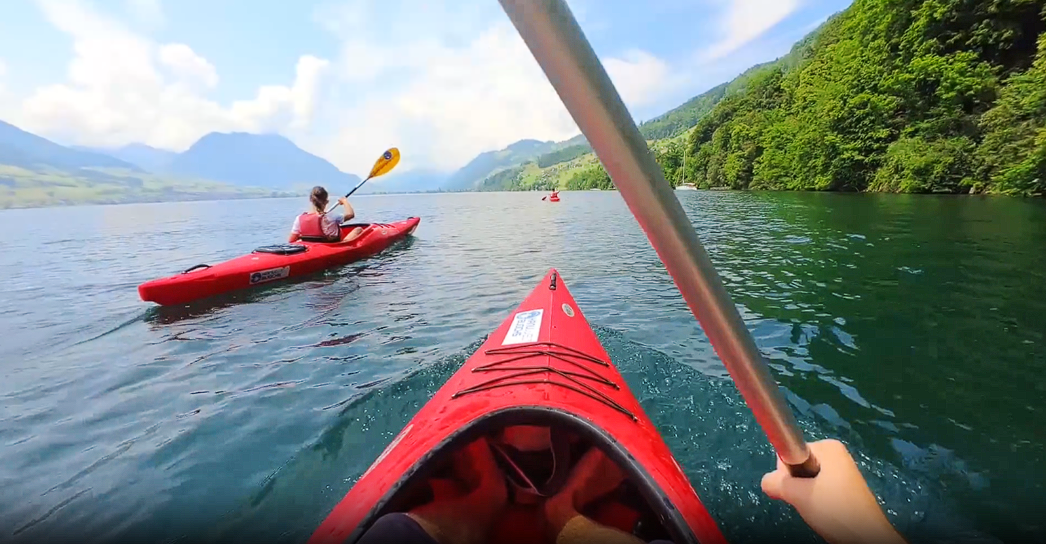
Ever wondered how to create immersive stories that pull your audience right into the action? First-person storytelling with POV action cam footage is a game-changer. By capturing the world through your eyes, you can craft narratives that feel personal, raw, and unforgettable.
In this article, you’ll discover how to use POV footage to build compelling stories that resonate with viewers. From framing techniques to editing tips, we’ll guide you through transforming simple clips into powerful, first-person narratives. Whether you’re a filmmaker, content creator, or adventurer, this approach can elevate your storytelling to the next level.
What Is First-Person Storytelling?
First-person storytelling places the audience directly in the narrative, offering a personal and immersive perspective. In this style, you present events through the viewpoint of the subject, making viewers feel as though they are experiencing the action themselves.
This method prioritizes subjective experiences over detached observation. Instead of showing what is happening from an external angle, you convey the world exactly as the character sees it. It creates an emotional connection by aligning the viewers’ perspective with the storyteller’s.
POV action camera footage enhances this storytelling by capturing raw, unfiltered moments. These compact devices are ideal for documenting intense, fast-paced experiences without disrupting the flow of movement. Whether it’s scaling a mountain, navigating through crowded streets, or riding a wave, every scene feels immediate and dynamic.
By leveraging an action camera, you can break down barriers between the subject and audience, crafting a narrative that feels both authentic and intimate.
Benefits Of Using POV Action Cam Footage For Storytelling
First-person storytelling with POV action cam footage can transform how narratives are experienced, offering depth and connection to viewers through unique techniques. Each benefit amplifies the engagement and authenticity of the story.
Immersive Viewer Experience
POV footage places the viewer directly in the protagonist’s shoes, simulating a first-hand experience. This perspective aligns the viewer’s angle with the character’s, creating an illusion that they’re actively participating in the action.
This technique intensifies emotions during fast-paced activities like skiing or intimate moments, such as exploring hidden trails, by narrowing the gap between the subject and the observer.
Authenticity And Personal Connection
Stories feel more honest when you remove the distance created by traditional third-person shots. The unedited nature of first-person footage strips away distractions, making the narrative raw and relatable.
For instance, unsteady camera movement during a hike or the natural perspective of swimming underwater connects you directly to the experience. Such framing mirrors real-life perception while encouraging deeper empathy toward the storyteller.
Unique Narrative Opportunities
POV action shots expand creative choices unavailable to traditional filming methods. Stylized elements like motion blur or slow motion can signal altered emotional states, such as heightened anxiety or tranquility.
Video game-style sequences where visuals interact directly with narration further personalize stories. Fisheye effects or shifts in camera angles can even frame individual story arcs, creating visually dynamic narratives that maintain viewer engagement.
Techniques To Build Narratives Using POV Action Cam Footage
First-person storytelling with POV action cam footage places viewers in the heart of the action. Using specific techniques ensures immersive, engaging narratives.
Planning Your Storyline
Outline core moments before filming. Establish emotional tones—excitement, suspense, or serenity—to guide scene transitions. Create a storyboard with defined start, climax, and resolution points, ensuring scenes connect naturally. Consider character perspective when framing each shot.
Incorporate transitions that flow seamlessly between different events while maintaining audience focus on key parts of the narrative. A well-structured plan prevents unnecessary or fragmented footage.
Capturing Dynamic Shots
Utilize the action cam’s portability to mirror the character’s viewpoint. Film from angles that mimic realistic head movements or body perspective. Slight motion adds a sense of authenticity, but over-stabilizing could weaken the experience.
Combine wide shots for setting context with close-ups for impactful details. For example, use a close-up for gripping a climbing edge and a wide shot to highlight the vast mountain terrain. These variations keep visuals dynamic and engaging.

Editing For Seamless Flow
Edit clips to maintain consistent pacing. Cut unnecessary frames to avoid slowing the narrative. Apply subtle transitions between scenes to bridge shifts naturally. Adjust timing to align with the tone of each segment.
Sound effects and music can amplify tension or elation but should not overshadow visual storytelling. Experiment with light voiceovers or text overlays for extra context. Keep edits purposeful to sustain the viewer’s immersion.
Tools And Equipment For POV Action Cam Storytelling
Specialized tools help transform raw footage into captivating first-person narratives. Each piece of equipment plays a role in creating immersive and seamless stories.
Choosing The Right Action Cam
Opt for a camera with a resolution of at least 1080p/60fps. Models offering 4K/30fps enhance sharpness and detail. A wide-angle lens, typically 120° or more, helps simulate natural vision while accommodating more of the scene. Cameras with long battery life, rugged builds, and waterproof designs are optimal for outdoor or challenging conditions. Look for built-in stabilization to reduce motion artifacts. Popular brands like Insta360 offer compact, feature-rich models that excel in capturing dynamic POV footage with 360-degree capabilities and advanced stabilization. If you’d rather skip the extra rig entirely, AI glasses with a camera from Sunglasshut capture from eye level and leave your hands completely free — a natural fit for the same POV perspective this style of storytelling is built around.
Essential Accessories For Better Footage
Extra batteries prevent interruptions during extended shoots. Memory cards with high storage capacity, such as 128GB or more, accommodate longer, high-resolution recordings. Use lens filters, like neutral-density (ND) or polarizers, to adapt to changing light conditions. A cleaning kit ensures clear lenses for consistent image quality. Stabilization gear, such as handheld gimbals, enhances viewer comfort by producing smooth visuals.
Tips For Effective First-Person Storytelling
Experimenting With Angles And Perspectives
Varying camera angles enriches your footage. Tilt or zoom for added tension, and shift between subjective shots (character’s viewpoint) and objective shots (neutral perspective) to convey emotional depth.
Integrate occasional third-person clips where necessary. For example, use them to establish location or highlight actions from a detached perspective. Balancing these perspectives strengthens immersion while enhancing narrative clarity.
Balancing Action With Narrative Depth
Action scenes engage audiences but prioritizing emotional storytelling creates long-lasting impact. Alternate high-energy sequences with quiet moments showcasing the character’s thoughts or feelings.
Use voiceovers or sensory sound cues filtered through the protagonist’s mindset to deepen emotional layers. For instance, a heartbeat sound mixed into the audio during tense moments intensifies relatability.
Wrapping Up
First-person storytelling with POV action cam footage opens up endless possibilities for creating immersive and emotionally charged narratives. By putting the audience directly in the protagonist’s shoes, you can craft stories that feel personal, dynamic, and authentic.
With the right equipment, thoughtful planning, and creative techniques, you can elevate your storytelling to captivate viewers and leave a lasting impression. Embrace the power of perspective and let your footage bring your narrative vision to life.
More to Love!
Outdoor Adventure Fashion Blends Style With Function
Smart Accessories for Women: When Luxury Meets Tech