SUBSCRIBE


Balancing Style and Function in Your Kitchen Renovation
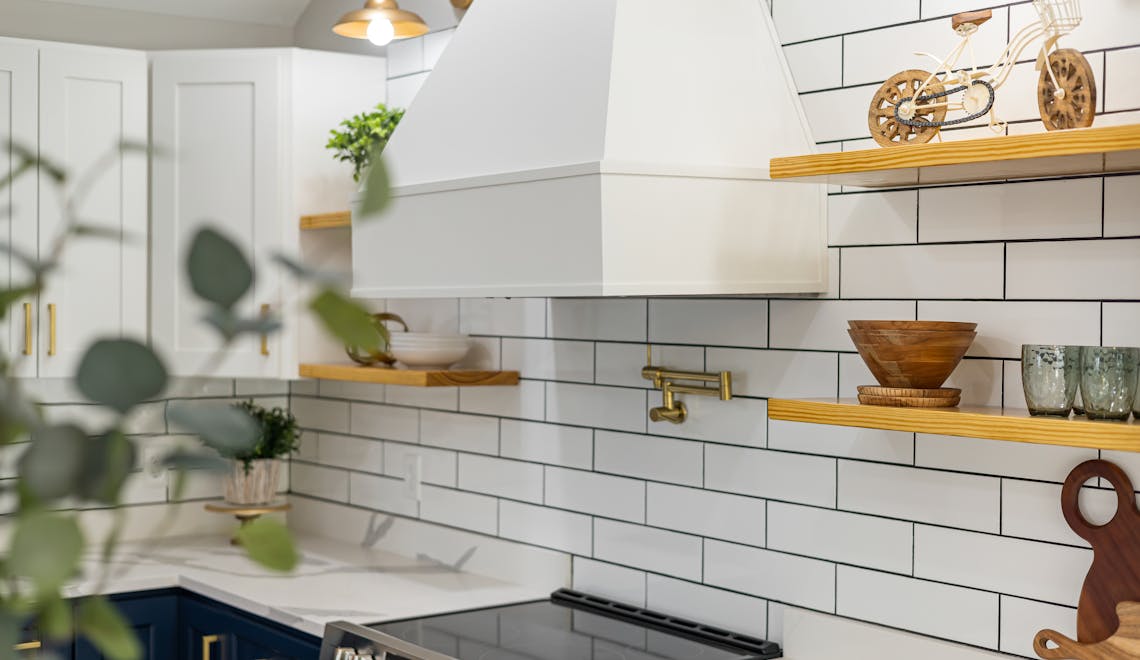
When you start planning a kitchen renovation, it’s easy to get swept up in the visuals. You picture smooth countertops, brass fixtures, matte cabinetry, and pendant lights that look straight out of a design magazine.
And that vision absolutely matters—your kitchen should reflect your taste and feel good to be in.
But what’s equally important is how it works. A stunning space quickly becomes frustrating when the layout makes prep difficult, storage is limited, or cleanup feels like a chore.
On the other hand, a purely practical kitchen—no matter how well it functions—can feel uninspiring or cold without the warmth and detail that design brings.
A modern kitchen shouldn’t force you to choose. The best results happen when form and function are designed to complement each other from the start.
Starting with the Way You Use Your Kitchen
Before you look at tile samples or appliance brochures, take a moment to think about how you actually use your kitchen. This early stage is one of the most valuable parts of the renovation process—and it sets the foundation for decisions that will matter every single day once the work is done.

Understanding Your Daily Workflow
Do you cook every day, or mostly reheat meals? Are there two people sharing prep tasks or just one? Do you host friends and family, or is your kitchen mostly a private space?
Understanding your rhythms—when you use the kitchen, what tools you reach for most, and where bottlenecks tend to happen—can reveal a lot. For instance, if you always set your grocery bags on the floor because there’s no landing spot near the fridge, that’s not just an inconvenience. It’s a design opportunity.
The goal here isn’t to create a showroom. It’s to build a kitchen that serves your life, not the other way around.
Identifying Pain Points in Your Current Layout
Look around your existing space and ask what regularly slows you down. Is the trash can too far from the prep area? Do you lack outlets near where you use small appliances? Is your pantry a black hole of expired snacks because it’s hard to see what’s in there?
These frustrations often become so routine that we stop noticing them—but they matter. Renovation is the perfect time to fix what’s not working, not just surface-level upgrades.

Sketch your current kitchen and map your typical route when making a meal. You might be surprised by how inefficient that route really is—and how a few layout changes could improve the entire experience.
Style Choices That Don’t Sacrifice Usability
Once you’ve got a clear idea of how your kitchen should work, then it’s time to layer in the look.
The good news? Function doesn’t mean boring—and style doesn’t have to mean high-maintenance.
Materials That Look Good and Hold Up
Not all beautiful surfaces are created equal. For example, marble countertops are undeniably elegant but can stain or chip easily. Quartz, on the other hand, offers a similarly clean look with much less fuss.
The same goes for flooring. Hardwood may be warm and timeless, but luxury vinyl or ceramic tiles can mimic the look with greater resistance to spills, scratches, and daily wear.

Cabinet finishes, hardware, and backsplash materials should be selected not just for their aesthetic appeal, but for how well they handle moisture, heat, and fingerprints. A beautiful kitchen that needs constant upkeep loses its charm quickly.
Smart Storage That Blends into the Design
Storage is one of the most overlooked—but most crucial—elements of a well-functioning kitchen. And it doesn’t have to come at the expense of style.
Pull-out pantry shelves, toe-kick drawers, vertical tray storage, and deep drawers for pots and pans can all be built seamlessly into modern cabinetry. When designed well, they’re almost invisible.
Consider closed storage to maintain clean lines, and use open shelving or glass-front cabinets sparingly—for display pieces or items you use daily. Too much openness can lead to visual clutter, but a balanced mix can add personality and ease.

Designers today also focus on zones: creating clear areas for prep, cooking, cleaning, and storage so everything has a place—and that place makes sense. Smart storage isn’t about packing more into the kitchen. It’s about making what you already have work better and feel better.

Where to Invest—and Where to Simplify
Not every feature in a kitchen needs to be high-end or custom-made. Some upgrades genuinely impact the way you use the space, while others—though tempting—might just look impressive without adding much real value. The key is knowing where your money will make the most difference.
Invest in the Hardworking Core
Spend more where it counts: your work surfaces, your storage, and your appliances. These are the parts of your kitchen you’ll use every day, often without even thinking about it.
Countertops, for instance, take a beating. You prep on them, put hot pans on them, and clean them constantly. Investing in a surface that’s durable, easy to maintain, and timeless in appearance—like quartz or butcher block—pays off long-term. It looks good, holds up, and doesn’t go out of style easily.

Cabinetry and hardware are also worth some focus. While full custom cabinetry might not be necessary, good-quality cabinets that open smoothly, close softly, and use your space wisely—like deep drawers instead of standard base cabinets—can dramatically improve daily function.
Choose quality hardware that feels solid in your hand. It might seem like a small detail, but when you’re reaching for it dozens of times a day, that tactile feedback adds up.
The same goes for cutlery storage—having an organized drawer insert or a designated section for knives and utensils keeps everyday cooking simpler and your surfaces less cluttered.
Appliances are another big one. You don’t need the most expensive models, but don’t go for the cheapest either. Look for energy efficiency, smart features that match your lifestyle, and reliability.
A well-chosen dishwasher or range might not be what visitors compliment, but it’s what you’ll appreciate every single night—especially when paired with a layout that keeps everything within reach.
Simplify the Areas That Don’t See Heavy Use
On the flip side, some elements offer more flexibility. You can go simple and still get great results.
Lighting fixtures are one place where budget-friendly options can shine—literally. You can find beautiful pendant lights or sconces that look designer without carrying a designer price tag.

Focus on placement and layering, and you’ll get the atmosphere right even with affordable fixtures.
Backsplashes are another area where you can create visual interest without overspending. Classic white subway tile remains popular for a reason—it’s timeless, clean, and lets other features shine.
Or, if you’re drawn to something bold, try using it in a smaller section—like behind the stove—as a focal point.
Decor and styling? Keep it minimal and functional. A few thoughtful details—like a wooden bowl on the counter or matte black hooks for your most-used pans—go a long way in making the space feel lived-in and beautiful.
The bottom line: not everything needs to be top-of-the-line to make your kitchen feel special. Invest in the bones and the flow—what you use and move through every day—and keep the rest flexible, creative, and personal.
Designing a Kitchen You’ll Still Love in 10 Years
Kitchens aren’t just for now—they’re for later, too. What feels trendy today might not age well, especially if it was chosen just to follow a style rather than solve a need.
A kitchen that grows with you—one that still works, still feels good, and still reflects your taste five or ten years from now—is the real win.
Focus on Timeless Foundations
Trends change, but good proportions, natural materials, and balanced color palettes tend to hold up. You don’t need to make everything neutral to future-proof your kitchen, but it helps to keep big-ticket items—like cabinets, countertops, and flooring—somewhat classic.
These are the hardest and most expensive to change later.
Think wood, stone, metal—materials that have been around for centuries. They age well. Even when they develop wear, it feels like character rather than damage.
Choose shapes and silhouettes that don’t scream a specific year. Slab cabinet fronts, Shaker doors, or open shelving can all work, depending on how they’re executed. If they’re rooted in function and proportion, they won’t feel outdated just because tastes shift.
Add Personality Through Flexible Elements
The best way to let your kitchen evolve with you is to make your personal style shine through in ways that are easy to swap later.
Think about pendant lights, bar stools, backsplash tile, or even the paint color on a single accent wall. These are the parts where you can take more risks—try a bold color, go for brass instead of chrome, or use a handmade tile you love. If your taste changes in five years, those pieces are relatively easy to change out.
Even smaller things—like cabinet hardware, open-shelf styling, or artwork—can dramatically change the feel of your kitchen without altering its structure.
Think in Layers, Not Statements
A kitchen you still love in a decade is usually not the one that went all-in on a single bold design move. It’s the one that feels calm but personal, organized but warm. Try layering your materials: matte tile with soft wood grain, brushed metal with stone, linen shades against smooth quartz. The mix is what creates depth and longevity.
Let your kitchen feel like it belongs to your life—not to a showroom.
And most of all, design it for how you actually live, not just for how it will look in photos.
Feature Image by Curtis Adams
More to Love!
5 Designer Dream Kitchen Essentials to Love
Luxury Kitchen Design Decoded: An Expert’s Golden Tips