SUBSCRIBE


How Do Large Windows Improve the Flow of Natural Light in Open-Concept Homes?
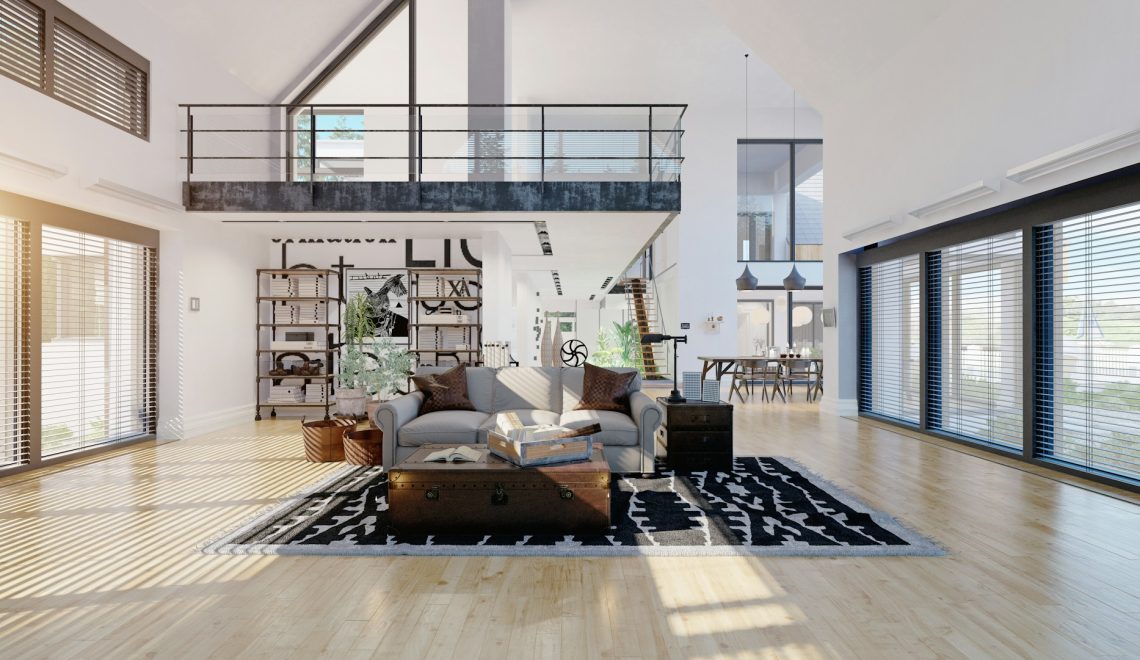
Large windows make a noticeable impact on how light moves through open-concept homes, helping to create spaces that feel larger, brighter, and more inviting. By allowing natural light to travel from room to room without interruption, large windows increase overall brightness and enhance comfort throughout the day. Homeowners often turn to a custom replacement windows & doors provider for choices that balance style, energy efficiency, and light optimization.
Thoughtful window placement, when combined with open layouts, means sunlight can flow freely, reducing reliance on artificial lighting and creating a welcoming environment. Design strategies like installing floor-to-ceiling glass, using sliding doors, or adding skylights can further improve the natural illumination and aesthetic of any home.
Key Takeaways
- Large windows boost natural light flow in open-concept spaces.
- Placement and style choices maximize how far light can reach.
- Expert solutions from a Custom Replacement Windows & Doors provider improve lighting and energy efficiency.
How Large Windows Enhance Natural Light Flow in Open-Concept Homes
Large windows significantly increase natural illumination, offering brighter living spaces and energy-efficient environments. Their effectiveness depends on size, placement, orientation, and the right balance between openness and privacy.
Maximizing Daylight with Window Size and Placement
The size of a window directly affects how much natural light enters a room. Large windows—especially in open-concept homes—let daylight reach deeper into the living space, reducing the need for artificial lighting during the day. Strategic placement allows natural light to spread throughout multiple zones in open interiors. By installing windows at eye level or higher, homeowners can maximize sun exposure at different times. Placing windows near corners or along longer walls distributes light more evenly and eliminates dark areas.
Window height also matters. Floor-to-ceiling or clerestory windows capture both low and high-angle sunlight, enhancing brightness at all times. Pairing windows with glass doors or skylights creates a layered effect, further boosting the amount of daylight flowing into the home.
Directional Impact: South, North, East, and West-Facing Windows
Window orientation changes how light enters—and when it is most intense. South-facing windows are ideal for maximizing sunlight, as they receive consistent, direct rays throughout the day, especially in winter.
North-facing windows provide stable, diffuse light with minimal glare, making them useful for steady illumination without overheating the space. East-facing windows capture bright morning sunlight, energizing living spaces early in the day, while keeping afternoons cooler. West-facing windows deliver strong late-afternoon and evening sun, which can overheat interiors unless managed with blinds or shading.

Balancing Privacy and Openness in Large Window Designs
While large windows create a seamless connection between indoor and outdoor environments, they also present privacy challenges. Thoughtful design can mitigate this concern. Frosted or textured glass provides privacy without blocking all natural light. Layered window treatments—such as sheer curtains paired with heavier drapes—allow flexibility so occupants can control openness by the hour or activity.
Landscaping, such as hedges or strategically placed trees, can shield sightlines from neighboring properties. In urban settings, higher sill heights or clerestory windows admit light above eye level, ensuring natural illumination while preventing direct views into living areas. Combining these solutions creates balanced spaces that remain bright, open, and comfortable without sacrificing the private feel most homeowners value.
Design Strategies to Optimize Natural Light
Strategic architectural choices can maximize daylight penetration, reduce reliance on artificial lighting, and improve energy efficiency. Approaches such as adding skylights, using reflective surfaces, and integrating glass partitions address both illumination and aesthetic value.
Incorporating Skylights and Roof Windows
Skylights and roof windows are effective for introducing additional daylight into the core of open-concept homes. Unlike traditional windows, they capture sunlight from above, allowing natural light to reach deeper into the living areas. Skylights can be positioned between beams or in flat ceilings, adapting to various home designs.
Roof windows differ slightly, often being operable and providing both ventilation and daylight. When placed in darker zones, these elements reduce the need for daytime artificial lighting. Glazing choices with low-emissivity coatings help maintain energy efficiency and minimize heat gain. Combining skylights with light wells or shafts directs the sunlight efficiently throughout the space.
Utilizing Mirrors and Reflective Surfaces for Enhanced Brightness
Mirrors and other reflective surfaces amplify the effect of natural light by bouncing sunlight deeper into interiors. Large wall or floor mirrors positioned opposite windows are especially effective in spreading illumination across open-concept spaces. Metallic finishes, glossy tiles, and polished stone surfaces also enhance brightness.
Strategic use of reflective materials on ceilings, furniture, or décor elements can diffuse light to eliminate shadows in corners or near structural beams. In homes with large windows, careful placement of these surfaces maximizes sunlight penetration and can visually expand smaller zones. This simple approach improves daylight distribution without altering the building envelope.
Wrapping Up
Large windows play an important role in increasing natural light within open-concept homes. By allowing daylight to move more freely through shared spaces, they help create brighter, more inviting environments with practical benefits. Selecting the right window styles and placements allows homeowners and architects to maximize these benefits while supporting a modern, functional living space.
More to Love!
The Ultimate Guide to Transforming Your Home and Saving Money with Energy-Efficient Windows
How to Decorate Windows of All Types In Any Room