SUBSCRIBE


How Can You Integrate Your Alarm System With Existing Security Cameras for Complete Coverage?
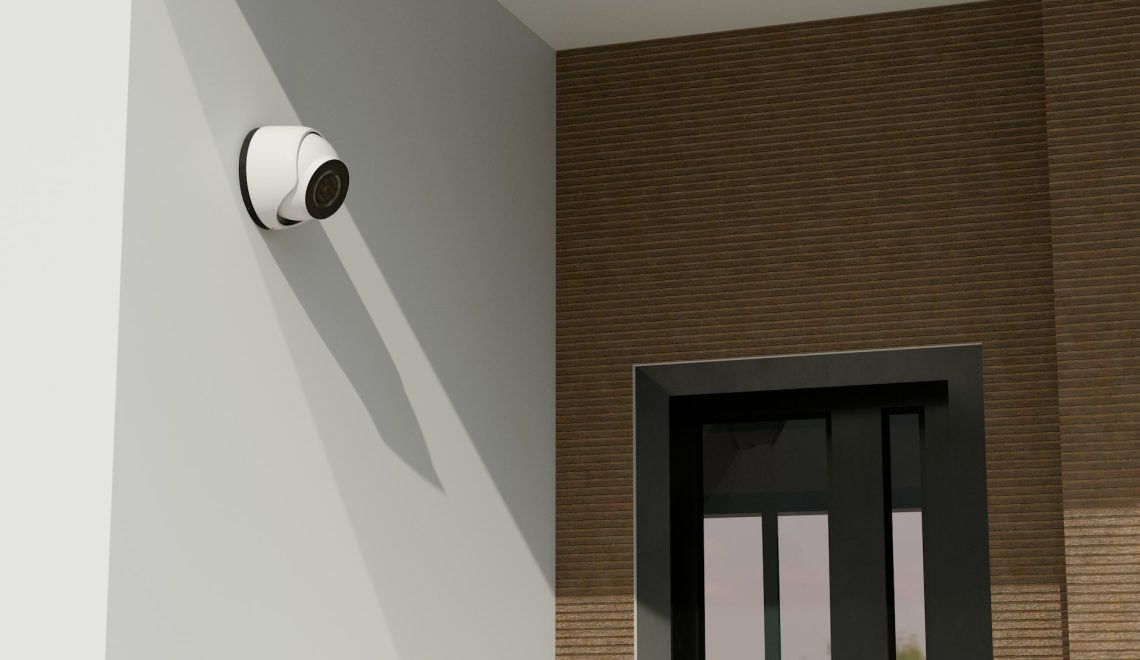
Modern home security systems work most effectively when alarm components and surveillance cameras function as a unified network. Integrating your alarm system with existing security cameras creates comprehensive coverage by allowing real-time monitoring, immediate alerts, and coordinated responses to potential threats. This integration transforms separate security devices into a powerful defense system that monitors, detects, and responds to security events simultaneously.
Most homeowners discover that their current security infrastructure can support additional integration without requiring a complete system replacement. Whether working with a security cameras and alarm installation provider or tackling the project independently, the process involves connecting cameras to existing alarm panels through wired or wireless methods. The key lies in ensuring compatibility between devices and establishing proper communication protocols.
The integration process extends beyond simple connectivity to include optimizing camera placement, configuring alert systems, and establishing monitoring protocols that maximize security coverage. By combining motion sensors, door contacts, and surveillance cameras into one coordinated system, property owners gain complete visibility and control over their security environment.
Key Takeaways
- Alarm systems and security cameras can be integrated to create unified monitoring and response capabilities
- Most existing security infrastructure supports camera integration without requiring complete system replacement
- Proper optimization includes strategic camera placement and coordinated alert configuration for maximum coverage
Integrating Your Alarm System With Security Cameras for Complete Coverage
Successful integration requires evaluating current equipment capabilities, verifying system compatibility through protocols and standards, and selecting the optimal connection method based on infrastructure needs.
Assessing Your Current Security Setup
Property owners must thoroughly evaluate their existing security system before attempting integration. This assessment identifies current alarm panel capabilities, available input/output ports, and communication protocols. Most modern alarm systems support camera integration through dedicated video inputs or network connections. Older systems may require hardware upgrades or additional modules to accommodate surveillance equipment.
Document all current security components, including sensors, keypads, and communication devices. This inventory helps determine integration complexity and potential upgrade requirements. Check the alarm system’s monitoring capabilities and whether it supports video verification features. Some systems can automatically capture video clips when specific zones are triggered.
Ensuring Compatibility Between Alarm and Surveillance Systems
Compatibility verification prevents integration failures and ensures seamless operation between alarm and surveillance components. Different manufacturers often use proprietary protocols that may not communicate effectively. Security cameras must support the same communication standards as the alarm system. ONVIF-compliant devices offer broader compatibility across different manufacturers and platforms.
Network infrastructure plays an important role in compatibility. The existing network must handle additional bandwidth from video streams without affecting alarm system performance. Consider using a unified security platform that manages both alarm and camera functions. These integrated solutions eliminate compatibility concerns and provide centralized control. Professional assessment may be necessary for complex installations involving multiple security system brands or older equipment.

Optimizing Your Integrated Security System
Proper optimization ensures your integrated alarm and camera system delivers maximum protection through strategic camera positioning, enhanced motion detection capabilities, and remote monitoring access. Fine-tuning camera settings and placement creates comprehensive coverage that eliminates blind spots and reduces false alerts.
Camera Placement and Motion Detection Best Practices
Strategic camera placement forms the foundation of effective security coverage. Cameras should be positioned at entry points, hallways, and areas where intruders are likely to pass through rather than hide. High-traffic zones require cameras with overlapping fields of view to eliminate blind spots. Mount cameras 8-10 feet high to prevent tampering while maintaining clear facial recognition capabilities.
Zone-based motion detection allows users to define specific areas within the camera’s view for monitoring. This feature prevents alerts from irrelevant movement like tree branches or passing vehicles outside the property perimeter. Integrate PIR motion sensors with cameras to trigger recording only when heat signatures are detected. This combination reduces storage requirements and focuses alerts on genuine security threats.
Leveraging Remote Access and Monitoring
Remote access capabilities allow users to monitor their integrated system from smartphones, tablets, or computers anywhere with internet connectivity. Modern systems provide real-time alerts, live viewing, and playback functionality through dedicated mobile applications. Cloud-based storage ensures recorded footage remains accessible even if local equipment is damaged or stolen. Users can review incidents, share footage with authorities, and manage system settings remotely.
Push notifications deliver instant alerts when motion sensors or cameras detect activity. These alerts can include thumbnail images or short video clips to help users quickly assess the situation’s severity. Remote monitoring services can provide professional oversight when property owners are unavailable. These services monitor alarm signals and camera feeds to verify threats before dispatching emergency responders. Two-way audio features enable remote communication with visitors or potential intruders through camera-integrated speakers and microphones.
Wrapping Up
Integrating alarm systems with existing security cameras creates a comprehensive security solution that maximizes protection while minimizing costs. Compatibility assessment remains the critical first step in any successful integration project.
Successful integration depends on selecting compatible equipment and maintaining strong network connections for wireless components. The investment in professional guidance during the planning phase prevents compatibility issues and ensures reliable system performance.
More to Love!
A Guide to Cybersecurity for Women
Simple Upgrades That Make Everyday Life Easier