SUBSCRIBE


Should You Go Artificial? A Guide to Fake Grass and Plants
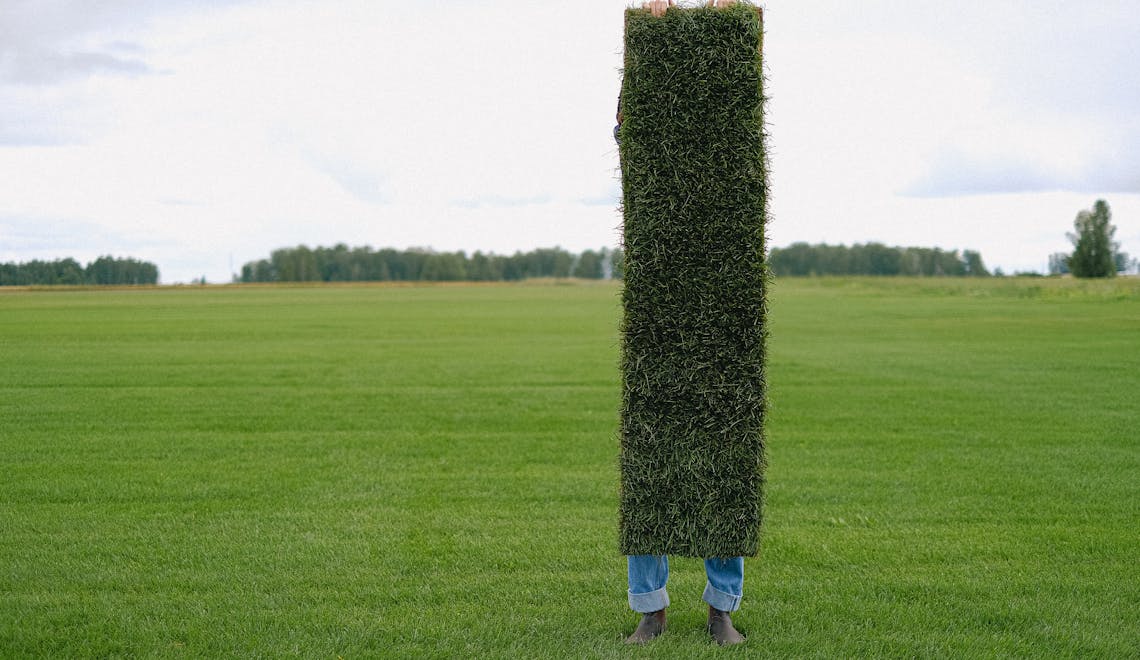
Artificial grass and plants have evolved far beyond the stiff, plastic-looking imitations of the past. Today, homeowners, businesses, and event planners turn to artificial greenery for convenience, cost savings, and the ability to maintain a lush appearance year-round.
But going artificial also comes with trade-offs in aesthetics, durability, and environmental impact. This guide explores the benefits and downsides of fake grass and plants, helping you make an informed choice for your space.
The Appeal of Artificial Turf
Artificial turf has gained popularity as a practical way to achieve a manicured, green lawn without the demands of natural grass. Unlike live grass that depends on rainfall, irrigation, and soil quality, quality synthetic turf keeps its appearance consistent regardless of climate or season.
For busy households, people with limited mobility, or businesses that want a polished exterior without constant upkeep, turf solves a common challenge: how to maintain curb appeal with minimal effort. Instead of mowing, watering, or dealing with patchy spots, homeowners and property managers enjoy a lawn that looks freshly cut and lush year-round.
Another reason for its appeal is adaptability. Synthetic turf works well in regions with drought restrictions, high heat, or poor soil conditions where natural grass would struggle.
It also handles high foot traffic better, making it suitable for backyards, playgrounds, and commercial landscapes that need to stay attractive under constant use.
Advantages of Going Artificial
Low Maintenance
The biggest draw of artificial grass and plants is freedom from traditional upkeep. You don’t need to mow, trim, water, fertilize, or replace dead plants. For homeowners, that translates into weekends free from lawn work. For businesses, it reduces maintenance costs and eliminates the risk of clients or visitors seeing brown patches or drooping plants.
Consistent Appearance
Artificial greenery remains uniform and vibrant all year. Grass won’t develop bare spots, and plants won’t lose leaves or suffer from seasonal changes. This makes it ideal for event spaces, showrooms, or rental properties that need reliable curb appeal at all times.
Water Conservation
In areas where water is scarce, replacing natural lawns with artificial turf can drastically reduce consumption. This advantage makes synthetic grass particularly attractive in drought-prone regions, where maintaining a lush lawn may be impractical or even restricted by local regulations.
Durability in Challenging Conditions
High-traffic areas such as playgrounds, sports fields, or commercial properties benefit from artificial grass that can withstand wear without turning into mud or bare dirt. Similarly, artificial plants won’t suffer in spaces with poor light, inconsistent temperatures, or lack of airflow.
Disadvantages to Consider
Upfront Cost
High-quality artificial turf and plants often carry a significant initial price tag. Installing artificial grass involves not just the turf itself but also ground preparation, drainage layers, and professional labor. Although savings appear in reduced maintenance, the starting cost can deter some buyers.
Heat Retention
Artificial grass absorbs and retains heat, becoming uncomfortably warm during summer months. This can make it less appealing for barefoot use, particularly in hotter climates. Unlike natural grass, which cools through evapotranspiration, synthetic turf has no natural cooling mechanism.
Environmental Concerns
Although artificial greenery saves water, it raises other environmental questions. Most products are made from plastics that are not biodegradable. At the end of their lifespan, disposal can contribute to landfill waste. The production process also consumes energy and resources, reducing the overall sustainability of artificial options.
Lack of Natural Benefits
Natural grass contributes to local ecosystems by cooling the environment, absorbing carbon dioxide, and providing habitat for insects and birds. Live plants filter indoor air and release oxygen. Artificial replacements offer visual appeal but none of these ecological advantages.
Applications of Artificial Greenery
Residential Use
Homeowners choose artificial grass for lawns, patios, and poolside areas to enjoy a manicured look without constant upkeep. Artificial plants also serve as décor inside homes, particularly in low-light rooms or for homeowners who travel often and can’t maintain live greenery.

Commercial Properties
Offices, retail stores, and restaurants use artificial greenery to project a welcoming atmosphere. Faux plants reduce the need for maintenance staff and avoid the risk of unsightly wilting. Artificial turf is also popular for rooftop gardens, courtyards, or outdoor seating areas where natural grass would struggle.
Events and Temporary Installations
Artificial plants shine in weddings, exhibitions, and stage designs where consistency matters. They can be arranged well in advance without risk of drooping, ensuring perfect visuals throughout the event.
Recreational Areas
Playgrounds, gyms, and sports fields rely on artificial grass for durability and safety. Unlike natural turf, synthetic options can handle repeated use and still provide a soft, consistent surface.
How to Choose the Right Artificial Option
Quality Matters
Not all artificial products are created equal. Higher-end artificial grass mimics the texture and color variation of real grass, sometimes blending different shades for a more natural appearance. Premium artificial plants incorporate realistic textures, varying leaf sizes, and even natural-looking stems.
Consider the Setting
For lawns or outdoor areas, ensure the artificial grass has proper drainage to prevent water buildup. For indoor plants, choose UV-resistant materials if they’ll be placed near windows, as cheaper versions may fade under sunlight.
Think About Longevity
Artificial grass typically lasts 10–15 years, depending on usage and quality. Artificial plants vary more widely, with high-quality versions retaining their look for years and cheaper ones losing color or shape relatively quickly.
Evaluate Maintenance Needs
While artificial greenery is low maintenance, it is not maintenance-free. Dust and debris accumulate over time, requiring occasional cleaning. Outdoor artificial grass may also need brushing to keep fibers upright.
Cost Comparison: Artificial vs. Natural
When weighing costs, it helps to look at both short-term and long-term expenses.
- Natural Grass: Lower initial installation but ongoing costs for water, fertilizer, mowing, and seasonal repair.
- Artificial Grass: Higher upfront cost but minimal ongoing expenses. Over time, artificial turf can become more cost-effective, especially in regions where maintaining a healthy lawn is expensive.
Artificial plants follow a similar pattern. Live plants require ongoing investment in soil, water, light, and occasional replacement, while high-quality artificial plants may cost more at purchase but last for years with little additional expense.
Balancing Aesthetics and Practicality
The choice between artificial and natural greenery depends on your priorities. If you value authenticity, ecological benefits, and the satisfaction of nurturing live plants, natural greenery wins. If convenience, durability, and year-round consistency matter more, artificial options deliver.
Some people combine the two approaches. For example, homeowners may use artificial turf in shaded areas where grass won’t grow and keep natural grass elsewhere. Offices may decorate with artificial plants while maintaining a few low-maintenance live varieties for air quality benefits.
Wrapping Up
Artificial grass and plants provide practical solutions for modern lifestyles. They save time, reduce maintenance, and create reliable aesthetics in spaces where natural greenery struggles. Yet they come with trade-offs in cost, heat retention, and environmental sustainability.
By weighing these pros and cons, and considering where each option fits best, you can design a space that reflects your needs while balancing appearance, budget, and environmental values. Artificial greenery may not replace the charm of natural growth, but in the right context, it offers a smart and stylish alternative.
Feature Image by Anna Shvets
More to Love!
How to Decorate with Artificial Flowers for a Luxe Look on a Budget
Designing With Backyard Sheds That Will Elevate Outdoor Living