SUBSCRIBE


HVAC Maintenance Tips Every Homeowner Should Know
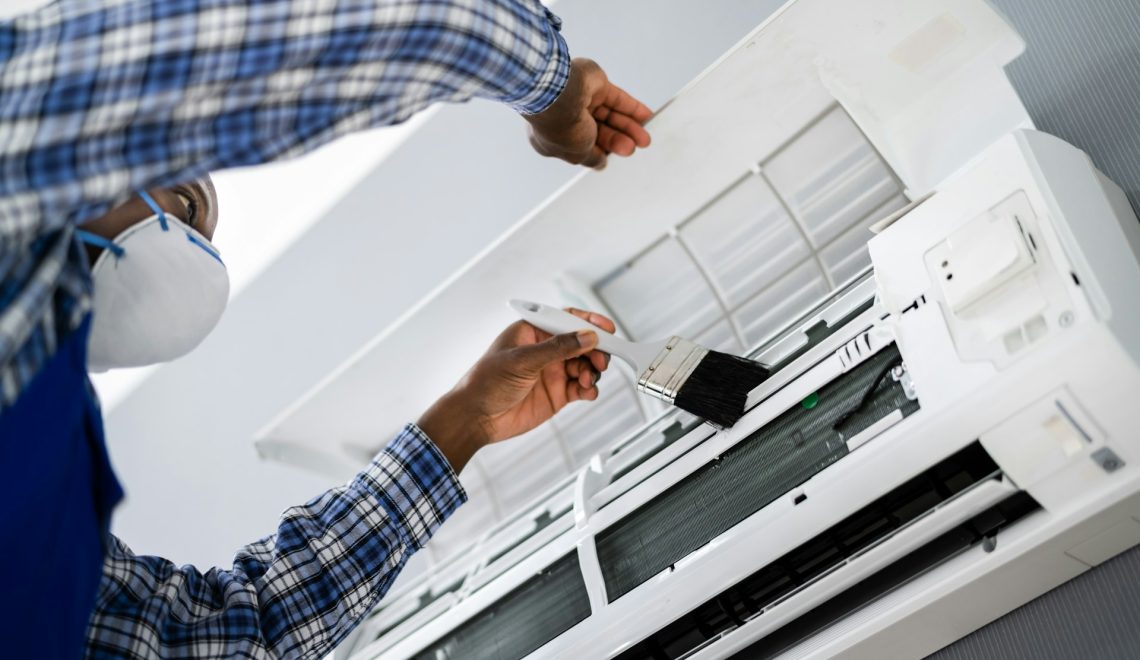
The efficiency of the heating, ventilation, and air conditioning system plays an important role in home comfort. A consistent streak of care keeps these systems functioning smoothly and for longer periods of time. Homeowners often overlook easy fixes that can save them money on energy bills and improve air quality. Knowing a few key maintenance tips can help so much in daily comfort and save money in the long run.
Whether you’re dealing with extreme seasonal changes or everyday indoor comfort, routine HVAC care is essential for long-term performance. Homeowners who stay proactive often experience fewer breakdowns and more predictable energy costs. This is especially true for homes relying on HVAC in St. Charles, where systems work hard year-round. The following maintenance tips outline simple yet effective steps every homeowner can follow to keep their system running efficiently.
Change Filters Regularly
Air filters can trap dust, pollen, and other airborne contaminants from the air that enters the home. Changing these filters once every one to three months increases airflow and efficiency. A clogged filter makes systems work harder, consuming more energy and putting unnecessary stress on them. Pet owners or allergic individuals will benefit from changing the filters more often. When they are clean, we can also benefit from better indoor air, which is especially important for all members of the family.
Inspect Ductwork for Leaks
Leaky ductwork allows conditioned air to escape before it reaches the intended rooms, leading to uneven temperatures and higher energy bills. Gaps, cracks, or disconnected sections reduce efficiency and waste energy. Properly sealing ducts with appropriate materials helps ensure consistent airflow throughout the home. While minor issues may be visible, trained professionals can identify hidden leaks or structural problems that are often missed during DIY inspections.
Keep Vents and Registers Clear
Blocked vents restrict airflow and lead to longer running times on HVAC units. Other items, like furniture, drapes, or rugs that sit atop the furnace vent, restrict the expected flow of warm or cool air. Embalancing your living spaces to keep your vents open promotes even temperatures in your home. The buildup of dust can trap air, so vacuuming the registers once in a while will help with better airflow. Unclogged vents also decrease the possibility of mold from making a home inside the ducts.
Schedule Professional Tune-Ups
Routine inspections performed by a certified HVAC Dalton GA can help detect small issues before they become bigger problems. Coils are cleaned, refrigerant is checked, and worn components are identified for replacement by technicians. Regular tune-ups help ensure systems run at peak efficiency throughout the seasons. Homeowners also know that their equipment is working safely and reliably, and should be checked more often instead of waiting for a breakdown.

Monitor Thermostat Settings
Thermostats set to the recommended temperature can reduce energy usage. Setting it lower during the winter and higher during the summer prevents heating and cooling equipment from unduly burning up energy. Programmable thermostats raise and lower temperatures based on your daily schedule. They help prevent energy wastage when no one is occupying the house. Frequent accuracy testing ensures that the model aligns with what the user expects.
Listen for Unusual Noises
Unusual noises are frequently an early warning sign of a problem with HVAC systems. Noises such as rattling, banging, or squealing may mean loose parts or wear in the mechanics of the HVAC system. Disregarding these alerts could mean bigger harm down the street. A qualified technician who provides prompt attention also doesn’t allow minor issues to develop into expensive repairs. Attentive observation helps in identifying any malfunctions before they disrupt life and safety.
Check Drain Lines for Blockages
Condensation drains help get rid of the moisture developed during the cooling cycles. In case your lines are clogged, that will cause the water to return up and, and as a result, cause leaks or mold. Checking for these drains and removing clogs regularly stops structural damage to flooring and walls. Put a cup of vinegar down the line once in a while to act as an algicide and ensure good water flow. If the clogs are noticed in the early stage, it will save the whole system as well as the home.
Replace Aging Equipment When Necessary
As these HVAC systems age, they require more and more frequent repairs and will start losing efficiency. You can lower energy use and prevent equipment from breaking down by upgrading worn-out equipment with newer models that provide better indoor comfort. Most newer units offer enhanced technology that provides superior air quality and reliability. But professional installers could refer mild recommendations in line with the scale of the house and climatic necessities.
Wrapping Up
Regular HVAC maintenance keeps your home comfortable all year long. Basic habits like replacing filters, unclogging vents, and paying attention to unusual sounds extend the life of a system. Yearly professional evaluations help catch hidden issues going south before they become full-blown, serious problems. Homeowners gain better air quality, more consistent temperature control, and reduced energy bills with the above practical tips. Staying on top of these items usually makes for a welcoming, functioning home throughout the year.
More to Love!
Why Insulation and HVAC Must Be Planned Together
Top 5 Plumbing Services in Utah: Who Locals Recommend