SUBSCRIBE


Low-Pressure Cooking Ideas for Long Weeks and Short Evenings
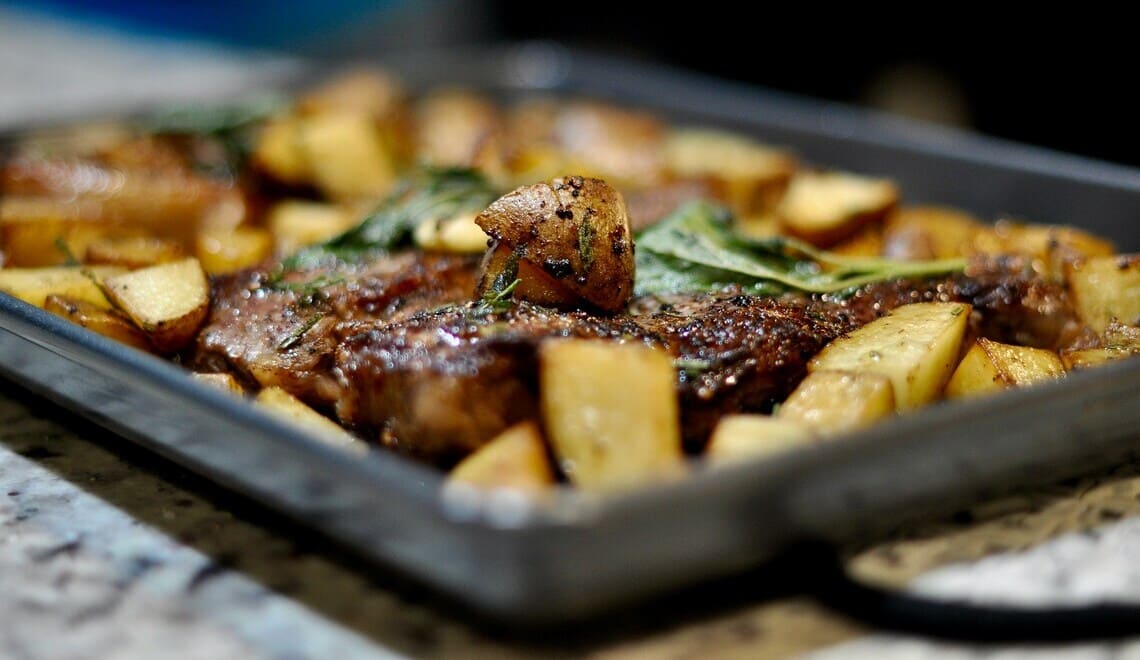
Low-pressure cooking focuses on simple meals that take little active time and require minimal cleanup. The goal is to reduce effort on busy evenings while still producing good flavor and consistent results. This approach relies on modest heat, straightforward preparation, and a short list of tools and ingredients. Meals are designed to work in small kitchens and avoid long instructions or extra steps.
Using repeatable habits helps remove guesswork. Choosing forgiving proteins, preparing vegetables based on how long they take to cook, and keeping one or two seasoning blends on hand all speed up dinner. Cooking and serving from the same pan limits dishes. The approach helps weeknight meals stay predictable, fast, and easy to manage.
One-Pan Flavor Wins
Using one wide, heavy pan improves cooking results and reduces cleanup. A pan with good weight holds heat evenly, which helps proteins brown properly and vegetables cook without steaming. Start with higher heat to develop color, then lower it to finish cooking without drying food out. Apply BBQ seasoning near the end so the sugars toast without burning.
Deglazing the pan with a small amount of broth or water loosens browned bits and creates a simple sauce without extra effort. Serving food directly from the pan keeps it warm and avoids extra dishes. Let proteins rest briefly before serving so moisture stays inside. These steps improve texture, flavor, and timing with minimal added work.
Smart Pantry Shortcuts
Keeping a ready-to-use seasoning blend makes weeknight cooking faster and easier. A simple mix of dried thyme, smoked paprika, garlic powder, and a balanced salt blend covers most proteins and vegetables. Store the blend in a small, labeled jar near the stove so it is always within reach. This reduces decision time and keeps seasoning consistent.
Clear jars make it easy to identify blends quickly. Separating spicy and herb-based blends allows quick flavor changes without extra measuring. Mixing a small amount of salt blend with neutral oil creates a flexible finishing oil for vegetables or proteins. Refresh blends monthly so flavors stay strong. The process saves time while keeping seasoning controlled and repeatable.

Fast Protein Focus
Some proteins work better for busy nights because they tolerate timing changes and moderate heat. Chicken thighs and ground meats cook evenly and stay tender even if heat or timing is slightly off. Letting proteins sit at room temperature briefly before cooking helps them cook more evenly and reduces total cooking time.
Season proteins generously and press seasoning into the surface so it sticks during cooking. The method improves flavor development and browning. Avoid slicing proteins until serving to retain moisture. Allow whole pieces to rest briefly after cooking so internal temperature evens out. Choosing the same few protein cuts each week simplifies shopping and makes dinner prep faster and more predictable.
Flexible Veg Add-Ons
Vegetables cook more reliably when grouped by how long they take to soften. Sorting produce into short, medium, and long cooking categories allows easy substitutions without changing technique. Cut vegetables into similar sizes so they cook evenly. Use high heat and avoid overcrowding the pan to promote browning instead of steaming.
Limit stirring so surfaces develop color and flavor. Add salt toward the end to prevent excess moisture release during cooking. Season vegetables separately from proteins so flavors stay clear. Add acids like lemon juice or vinegar after cooking, and add sturdy herbs earlier. Cool leftover vegetables quickly on a shallow tray before refrigerating so texture stays firm for reheating.
Repeatable Weeknight Systems
A simple meal pattern reduces planning and speeds up cooking. Pair one protein, one vegetable group, and one finishing seasoning. The structure allows easy swaps without changing the cooking method. The same pan and timing approach can be used for chicken, pork, tofu, or ground meat by adjusting seasoning and finishing elements.
Preparing compatible ingredients in one session saves time during the week. Uniform cuts, portioned proteins, and shared sauces simplify nightly assembly. Using the same core tools, such as a heavy skillet, sheet pan, sharp knife, and tongs, speeds setup and cleanup. Repeating these systems builds consistency and reduces effort while keeping meals flexible and efficient.
Controlled heat, minimal equipment, and repeatable preparation methods make weeknight cooking easier to manage. Forgiving proteins, a heavy pan, and one or two seasoning blends reduce both cooking time and decision-making. Vegetables grouped by cook time maintain texture and allow easy substitutions. Cooking and serving from the same pan limits cleanup and keeps food warm. Repeating the same tools, seasoning blends, and basic formats across the week shortens setup time and improves consistency. The habits support fast meal assembly without complex steps. Regular use of this approach maintains reliable results, efficient workflows, and manageable cleanup while producing flavorful, satisfying meals.
More to Love!
How to Pick the Right Meal Plan Based on Your Lifestyle