SUBSCRIBE


Internet Speed Myths That Could Be Costing You
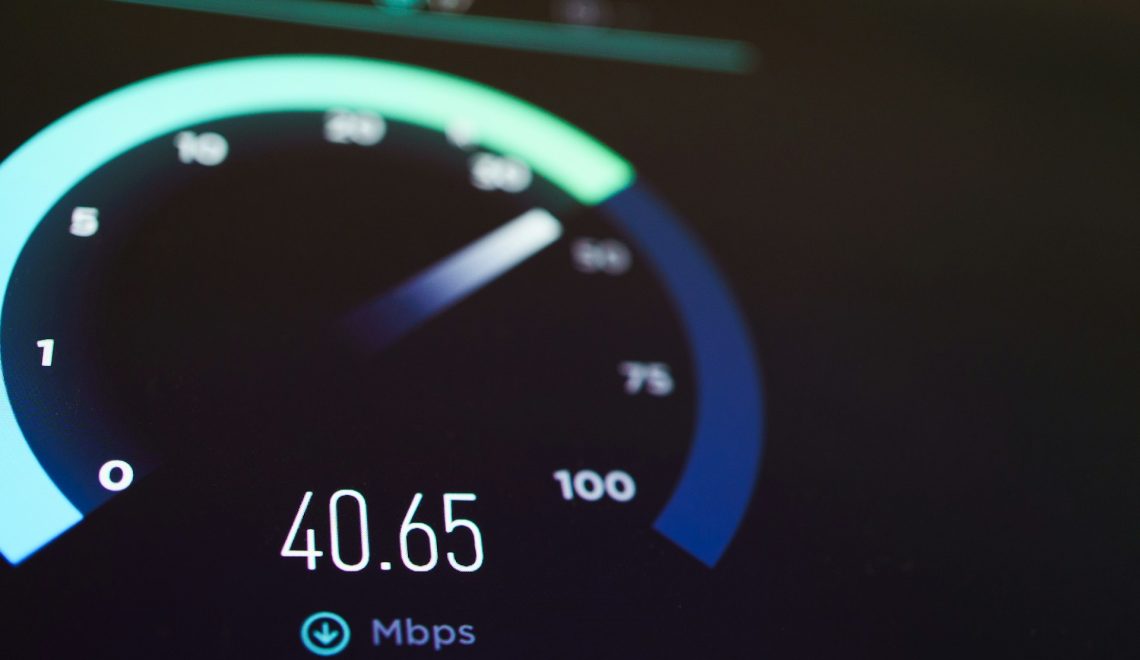
Most people think they know what affects their internet speed. This can lead to unnecessary expenses or frustration, and there are a few common misconceptions behind it. Understanding these myths helps you choose more wisely, spend less, and enjoy a more stable connection at home or at work.
Faster Packages Always Mean Better Performance
Many people believe the highest-speed package is always best. In reality, paying for extra bandwidth often does not change everyday browsing or streaming, especially for tasks like reading articles or using social media. You may end up paying for capacity you rarely use. It is better to choose a plan based on your actual needs so you can avoid unnecessary costs.
Fiber Connections Are Always Faster Than Cable
Fiber lines are often seen as more reliable than cable in every situation, but real performance still depends on the provider, equipment, and local infrastructure. In many areas, a well-maintained cable network can deliver strong and consistent speeds. The better choice comes from comparing what’s actually available in your neighborhood and how you use the internet day to day, rather than paying extra based on assumptions. Speaking with Wallace, NC internet provider can be helpful in this process, as local providers understand how different technologies perform in specific areas. They can suggest plans that align with your usage, budget, and existing setup, helping you avoid overpaying while still getting a stable, reliable connection.
Wi‑Fi Will Always Be Slower Than a Wired Connection
Many people think a wired connection is always better than Wi‑Fi. Ethernet is very stable, but modern routers can deliver similar speeds for typical home and office use. With a good router and proper placement, wireless performance can come close to a wired setup, without running cables everywhere. As Wi‑Fi technology has improved, it has become the most practical option for most users.
Higher Speed Means No Buffering
Some people believe higher speeds will eliminate buffering. Fast connections help, but interruptions can also come from overloaded servers, software issues, or outdated devices and apps. In many cases, updating equipment or clearing caches fixes the problem without paying for more bandwidth. Finding the real cause first can save both money and frustration.
All Speed Problems Are Under the Control of Internet Providers
Many users assume their provider is always to blame for lag or outages. In reality, issues often come from hardware, signal interference, or outdated firmware inside the building. You can do a few things to fix the issue, such as keeping devices updated and placing routers correctly, which can solve many problems without calling support. After these basic fixes, speed and reliability often improve noticeably.

Common In‑Home Issues That Slow You Down
- Old or low‑quality router: Older routers may not support your plan’s full speed or newer Wi‑Fi standards, leading to weak performance even if your connection is fast.
- Physical obstacles and interference: Thick walls, metal appliances, microwaves, cordless phones, and baby monitors can all interfere with Wi‑Fi signals.
- Too many connected devices: Smart TVs, phones, tablets, cameras, and smart home devices all share the same bandwidth and can slow things down when they are active at once.
- Outdated device hardware: Laptops, phones, or tablets with older Wi‑Fi chips may not be able to use the full speed your router and plan can provide.
A Quick Checklist Before Calling Your ISP
- Restart your modem and router: Unplug them for 30 seconds, then plug them back in and wait a few minutes.
- Test with another device: See if the problem happens on multiple devices (phone, laptop, tablet). If it’s only one, the issue may be that device.
- Run a speed test near the router: Stand close to the router and test your speed to compare with your plan’s advertised rates.
- Check for updates: Ensure your router firmware and device operating system are up to date.
Experience Is the Same on All Routers
Many people assume any router will work well, but older models often lack the features needed for fast, stable connections. Newer routers support more devices, manage interference better, and use newer Wi‑Fi standards. In homes with many connected devices, upgrading your router can noticeably improve performance.
Upload Always Equals Download
Download speed is usually much faster than upload speed, but upload matters for video calls, online gaming, cloud backups, and sending large files. Knowing the difference between download and upload speeds helps you pick a plan that truly fits your needs and avoids disappointment later.
Wrapping Up
These common myths about internet speed can waste your money and leave you with ongoing issues. Identifying the true causes of connection problems empowers you to make smarter decisions. Staying informed and investing in the right equipment makes it easier and more enjoyable for everyone to share the online space.
More to Love!
Understanding the Role of Online Security in Fashion Advertising
A Guide to Cybersecurity for Women