SUBSCRIBE


Designing for Comfort: How Custom Shutters and Air Conditioning Maintenance Shape High-Performance Homes
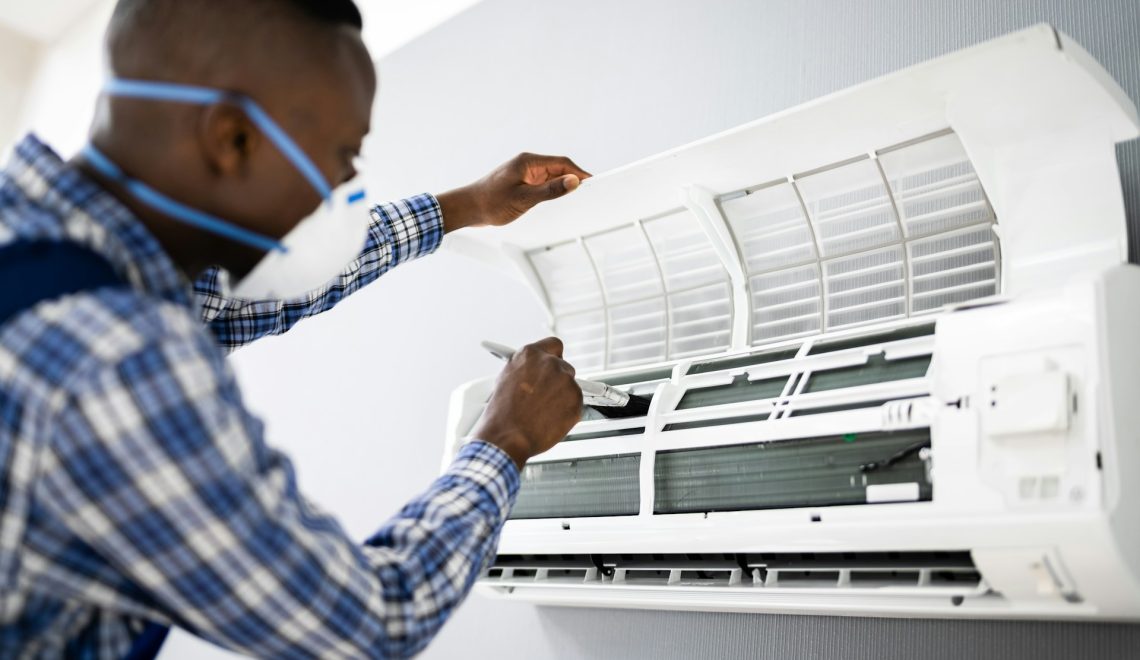
Comfort in a well-designed home is never accidental. It’s the result of thoughtful architectural decisions that balance aesthetics, functionality, and long-term performance. In today’s high-performance homes, comfort goes far beyond plush furniture or stylish finishes; it’s about how light, heat, and airflow are managed throughout the space. Two often-overlooked contributors to this balance are custom shutters and consistent air conditioning maintenance. Together, they play a crucial role in shaping homes that not only look beautiful but also perform efficiently year-round.
What Defines a High-Performance Home?
A high-performance home is designed to deliver lasting comfort while minimizing energy waste and system strain. These homes prioritize thermal stability, efficient airflow, and durability through intentional design choices rather than relying solely on mechanical systems. Architecture, materials, and layout all work together to regulate indoor conditions naturally.
Instead of reacting to temperature changes, high-performance homes anticipate them. This proactive approach combines passive design strategies such as window placement and shading with active systems like heating and cooling. When these elements are aligned, homeowners enjoy consistent comfort, reduced energy costs, and spaces that age well over time.
Custom Shutters as a Passive Design Strategy
Windows are one of the most influential features in any home’s comfort profile. While they bring in natural light and connect indoor spaces to the outdoors, they’re also a major source of heat gain and loss. This is where custom shutters become an essential architectural element rather than a decorative afterthought.
Designed to fit each window precisely, custom shutters allow homeowners to control sunlight without compromising style or proportion. They help regulate glare, enhance privacy, and reduce excessive heat during warmer months. Because they’re tailored to the home’s architecture, they integrate seamlessly with both interior and exterior design themes from modern minimalism to traditional styles.
In climates with strong seasonal contrasts, high-quality solutions like custom shutters in Winnipeg by Blind Ambitions support comfort by limiting solar heat gain during summer while still allowing flexibility throughout the day. By managing how and when sunlight enters a space, shutters contribute to more stable indoor temperatures and reduce the burden on cooling systems.
The Relationship Between Light Control and Cooling Demand
Uncontrolled sunlight can dramatically increase indoor temperatures, especially in rooms with large or south- and west-facing windows. As sunlight pours in, interior surfaces absorb heat, causing cooling systems to work harder to maintain comfort. Over time, this leads to higher energy consumption and increased wear on equipment.
Effective light control acts as a first line of defense. Custom shutters allow homeowners to adjust light levels based on time of day and season, preventing overheating before it starts. When heat gain is minimized at the window level, indoor temperatures remain more consistent, and cooling systems can operate more efficiently rather than constantly compensating for excess warmth.

Air Conditioning Maintenance as an Extension of Design Intent
Even the most thoughtfully designed home can fall short if its mechanical systems aren’t properly maintained. Air conditioning maintenance is often viewed as a routine task, but in high-performance homes, it’s a critical part of preserving the comfort and efficiency the design was meant to deliver.
Architectural features such as open floor plans, high ceilings, and expansive windows depend on reliable airflow and temperature control. Without regular maintenance, air conditioning systems struggle to distribute air evenly, leading to hot spots, inconsistent cooling, and unnecessary energy use.
Professional services like Provincial Heating and Cooling offer air conditioning maintenance in Winnipeg help ensure that cooling systems operate at peak efficiency. Regular inspections, filter changes, and system tuning allow the HVAC system to support the home’s design rather than work against it. Proper maintenance also extends the lifespan of the equipment, protecting the homeowner’s investment.
How Passive and Active Systems Work Together
True comfort comes from balance. Passive strategies like custom shutters reduce the amount of heat entering a home, while active systems like air conditioning manage the remaining load. When these elements are designed to work together, neither has to overcompensate.
Custom shutters lessen the strain on cooling systems by stabilizing indoor temperatures throughout the day. In turn, a well-maintained air conditioning system can operate more smoothly, using less energy to achieve the desired comfort level. This synergy creates an environment that feels consistently comfortable without excessive energy use or mechanical stress.
Long-Term Home Performance and Energy Efficiency
High-performance design isn’t just about immediate comfort; it’s about how a home performs years down the line. Reducing heat gain with custom shutters helps protect interior finishes, furnishings, and flooring from sun damage. At the same time, regular air conditioning maintenance prevents premature system failure and costly repairs.
Together, these strategies support energy efficiency and sustainability. Homes that manage heat effectively require less energy to cool, leading to lower utility bills and a smaller environmental footprint. Over time, these benefits add up, making thoughtful design choices both practical and financially sound.
Designing Homes That Feel as Good as They Look
Great architecture doesn’t stop at visual appeal; it considers how a space feels throughout the year. By combining passive design elements like custom shutters with proactive practices such as regular air conditioning maintenance, homeowners can create environments that are comfortable, efficient, and resilient.
Designing for comfort means thinking beyond surface-level details and embracing solutions that support long-term home performance. When light control and cooling systems work together, the result is a home that not only looks well-designed but lives well too.
More to Love!
Why Insulation and HVAC Must Be Planned Together
Top Ways to Cool Down Your Room without AC