SUBSCRIBE


5 Top Luxury Cosmetic Packaging Companies Leading High-End Skincare Branding

Seventy-two percent of shoppers say packaging sways their purchase—proof every jar and dropper is part of the pitch, according to a 2024 BeautyMatter analysis.
Prestige sales keep climbing, and analysts expect cosmetic-packaging demand to grow about five percent per year through 2030. Yet luxe labels must dazzle while shrinking their carbon footprint—a tension rewriting briefs from Paris to Seoul.
Most “top packaging” lists recycle outdated names. We audited dozens of suppliers on innovation, client roster, sustainability, scale, and awards to spotlight the five partners that truly matter for 2026.
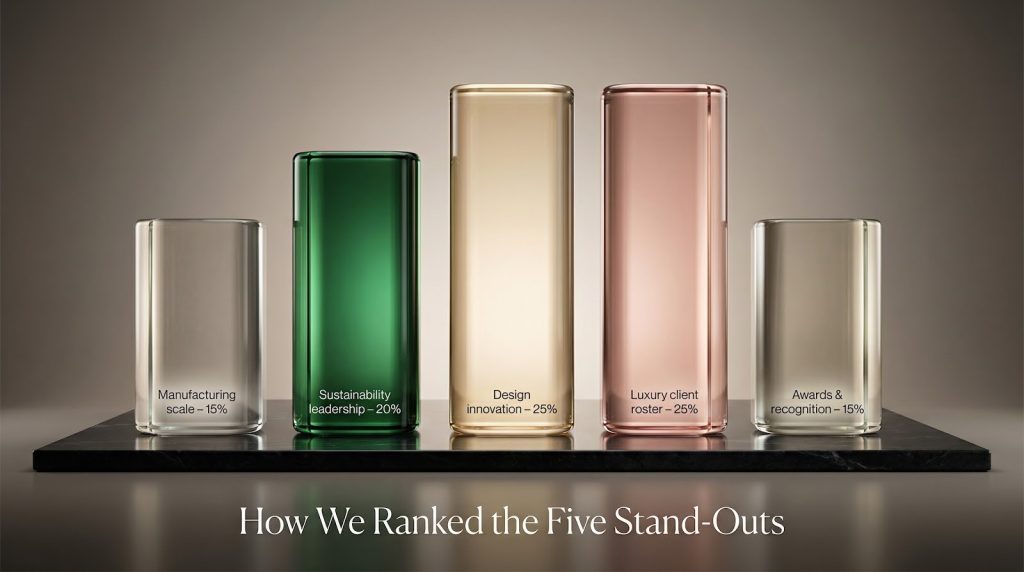
How We Ranked the Five Stand-outs
You deserve a clear scorecard, so we assessed dozens of global packaging partners against five weighted criteria.
- Design innovation – 25 percent
- Luxury client roster – 25 percent
- Sustainability leadership – 20 percent
- Manufacturing scale – 15 percent
- Awards and recognition – 15 percent
Innovation and clientele carry the most weight because cutting-edge structures and proven prestige partnerships lift your brand instantly. Sustainability follows closely; eco-minded design is now the brief, not a perk. Scale guarantees a smooth roll-out, whether you need one thousand influencer kits or one million serum pumps. Finally, peer-judged awards add an external seal of excellence that buyers respect.
Each company earned a numeric result in every category, then a weighted total. The structure kept bias out and let the data surface the true leaders you will meet next.
1. Zenpack: Boutique Brilliance with Global Reach
Zenpack began in San Jose, then added studios in New York and Taipei, giving its tight-knit team real global reach. Inside its Design Lab, a Kongsberg X22 cutting table turns sketches into same-day mock-ups, a glimpse of the award-winning packaging design services that set the firm apart.
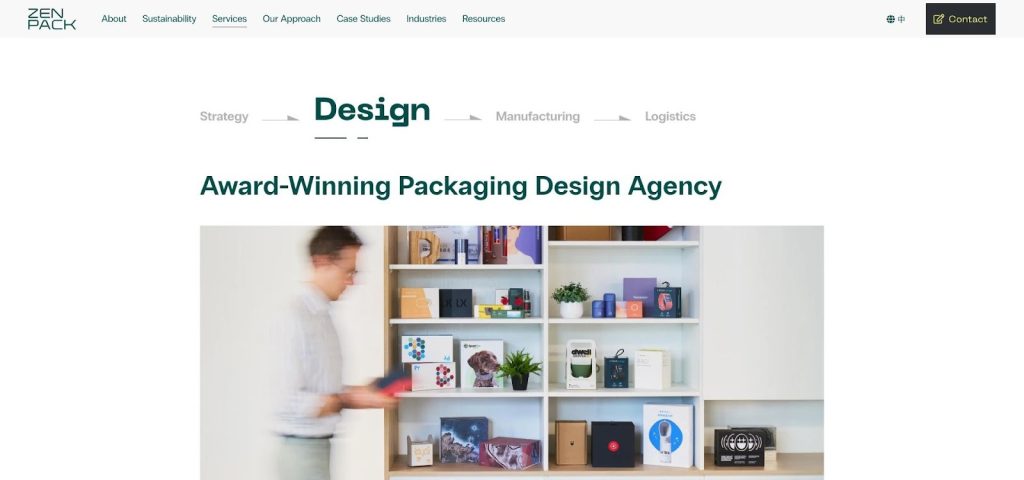
Designers can meet founders on Monday and cut first prototypes in Asia by Friday.
Creative engineering drives every project. Picture a floating acrylic cradle that makes a silicone applicator seem to hover, or an all-paper, child-resistant box that locks with a satisfying click. Each structure starts with the unboxing moment, then works back through materials, logistics, and shelf impact.
Sustainability runs through the craft. Zenpack favors mono-material boards over plastic windows, sources FSC paper, and nests dielines efficiently to cut waste. Less material still delivers drama because eco constraints become a design challenge, not a compromise.
Industry judges agree. In 2023, Zenpack collected three iF Design Awards in packaging categories, proof that its outsider creativity plays on the world stage.
For luxury skincare founders, the benefit is clear. You get couture-level design thinking, responsive project management, and eco-smart solutions without the red tape of a massive supplier. Zenpack turns big-brand polish into an agile partnership.
2. Albéa: The Global Powerhouse Reimagining Sustainable Glamour
Walk any beauty aisle, and you are likely touching Albéa’s reach. Thirty-plus plants on four continents turn out everything from lipstick bullets to airless jars, yet the French group still sweats the micro-refinements that signal real luxury.
Scale is only part of the story. Albéa keeps inventing. The Polaris refill system turns a cream jar into a jewel box that twists open with one hand, swaps inserts in seconds, and locks again with a gentle click.
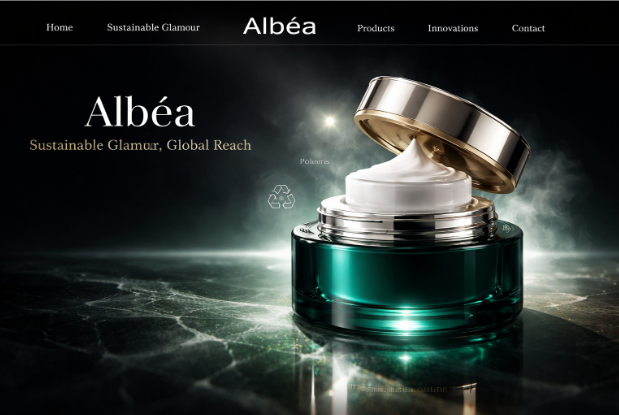
That ingenuity travels with a conscience. In Monaco, the Luxe Pack in Green jury honored Albéa with the 2023 Best CSR Initiative award for RECYMakeUp, a program that teaches brands how to design color cosmetics for true recyclability.
For premium skincare labels, Albéa offers rare peace of mind. You gain the muscle to deliver a global launch and the finesse to satisfy aesthetes, activists, and buyers alike when your brief calls for “couture with a conscience.”
3. AptarGroup: Precision Pumps That Make Luxury Feel Effortless
Aptar sits behind the quiet click, the perfect mist, and the exact one-handed dose that wins repeat devotion. From Illinois headquarters, it orchestrates factories in 18 countries, yet every component still feels tailor-cut for prestige brands.
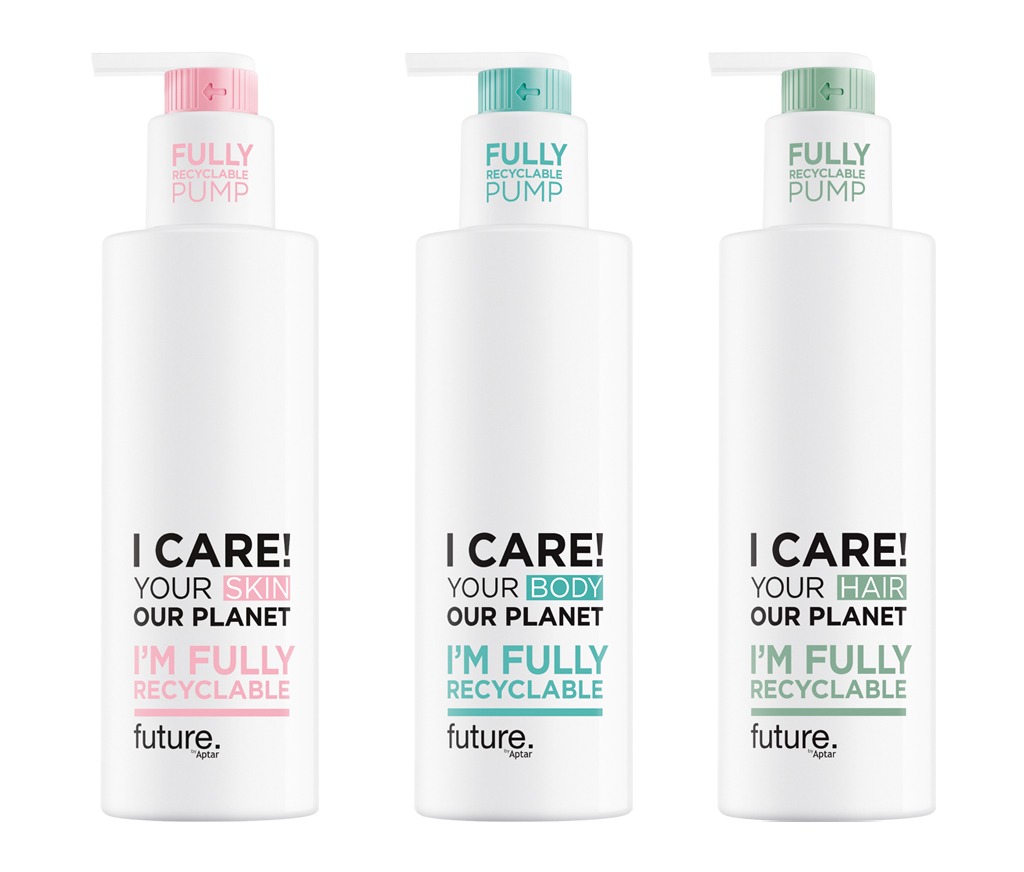
Technology drives the magic. The fully recyclable Future pump swaps metal springs for engineered polyethylene, turning a once hard-to-recycle part into curb-side friendly plastic. Airless jars protect a $300 night cream to the last swipe, and fragrance pumps create a fine cloud that drapes rather than drenches.
Luxury labels flock to this mix of tech and tactility. Dermalogica wanted sustainability without losing shelf appeal, and a custom Future pump delivered both. High-fashion perfume houses trust Aptar’s diffuser geometry to translate olfactory artistry into sensory theatre.
Scale completes the story. When a global roll-out calls for millions of identical pumps in six weeks, Aptar runs the playbook with aerospace-level tolerances and beauty-counter polish. For brands chasing flawless performance and flawless aesthetics, this supplier is the quiet engineer of delight.

4. HCP Packaging: Couture Craft for Collectible Cosmetics
If a lipstick tube clicks shut like a vintage lighter, or a compact feels as weighty as jewelry, chances are HCP made it. The firm began in color cosmetics, perfecting tight-tolerance hinges and magnetic closures long before refillable luxury gained traction.
Surface artistry sets HCP apart. Mirror-like vacuum metallization, vegan-leather wraps, and laser-etched patterns invite shoppers to twirl pieces under down-lighting. Engineering matches the glamour; mascara wands curve with micron precision, and droppers deliver the final luxurious drop.
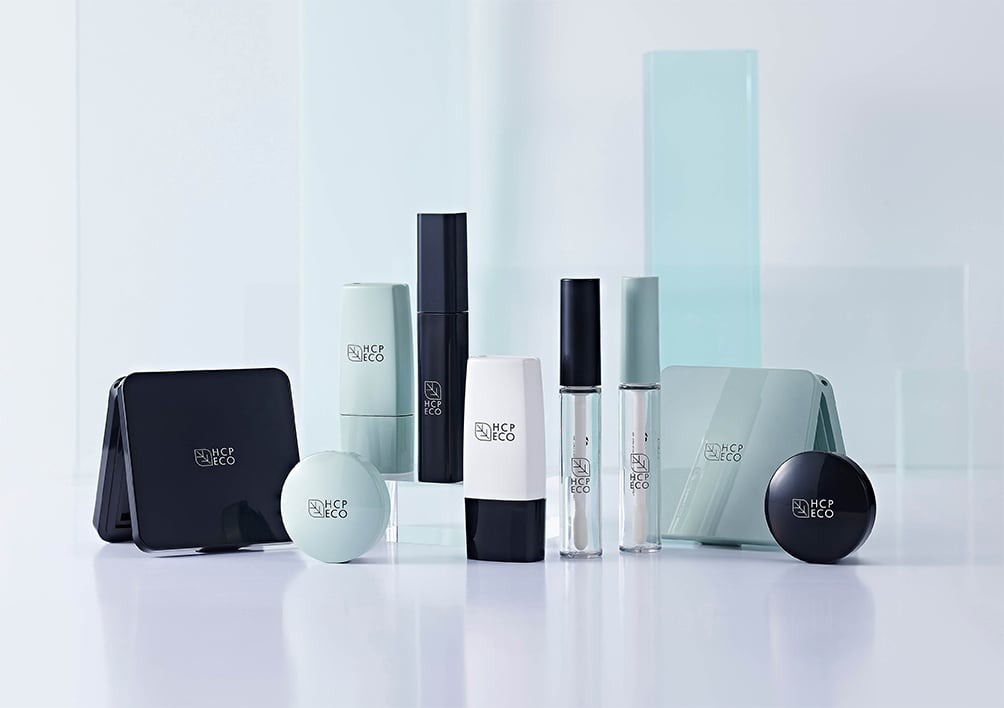
Eco progress is real. The HCP Eco platform uses high PCR resin, turning compacts into keep-forever shells with snap-in pans. Labels such as Armani, Fenty, and others rely on that work to show sustainability keeps shine intact.
Production spans three continents, yet service feels boutique. Rapid sampling delights indie labs, while multi-million-unit runs keep conglomerates on schedule. When a creative director sketches a statement piece, HCP transforms that idea into a tactile treasure.
5. Quadpack: Nature-forward Luxury with a Certified Conscience
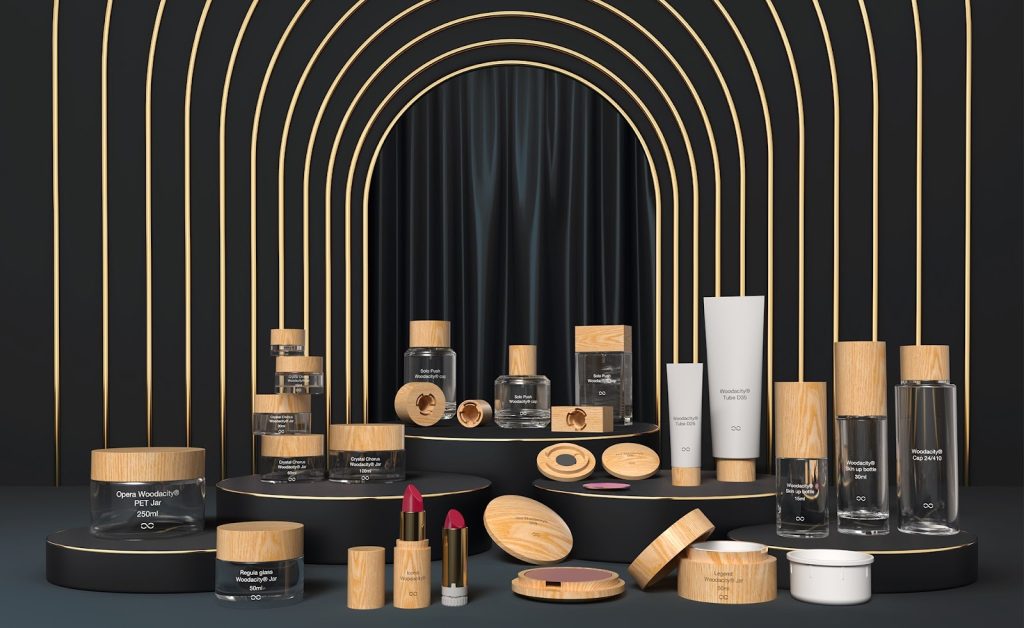
Quadpack’s studio carries a hint of cedar shavings, fitting for a team that turns responsibly sourced wood into high-end design statements. From Barcelona headquarters, artisans mill wooden caps, collars, and airless shells that give modern skincare a warm, tactile edge.
The company holds B Corp certification, proving that social and environmental goals stand alongside profit. Woodacity caps click closed without plastic inserts, and the XPaper bottle pairs airless protection with paper walls to trim plastic almost to a whisper.
Craft meets scale. Quadpack owns a dedicated wood factory in Spain and partners across Europe and the Americas, so lead times stay tight while freight footprints stay low. Indie clean-luxury brands love the artisanal vibe; heritage houses gain an eco story their customers demand.
Choose Quadpack when you want the romance of natural materials backed by measurable impact. The result is packaging that feels hand-finished yet ships at commercial volumes—a union of craft, conscience, and commercial savvy.
Comparative Scorecard: How the Leaders Stack Up
| Company | Design innovation (25) | Luxury clients (25) |
| Sustainability (20) | Scale (15) | Awards (15) |
| Zenpack | 22 | 15 |
| 16 | 8 | 14 |
| Albéa | 20 | 25 |
| 18 | 15 | 12 |
| Aptar | 23 | 25 |
| 17 | 15 | 10 |
| HCP | 21 | 24 |
| 14 | 14 | 11 |
| Quadpack | 19 | 18 |
| 20 | 10 | 11 |
Wrapping Up
Luxury skincare packaging is no longer just about looking beautiful on a shelf—it is about telling a credible story of innovation, performance, and responsibility. The five companies highlighted here represent the most relevant partners for high-end brands navigating that reality in 2026.
Albéa and AptarGroup lead through sheer scale paired with technical mastery, making them ideal for global launches that demand consistency, compliance, and advanced functionality. HCP Packaging proves that couture finishes and collectible craftsmanship still command loyalty in color cosmetics and skincare alike. Quadpack shows how sustainability can become a brand signature rather than a constraint, especially for nature-forward or clean-luxury labels. Zenpack rounds out the list by demonstrating that boutique studios can rival industry giants when creativity, speed, and eco-smart design are the priority.
There is no universal “best” supplier—only the best match for your brand’s ambitions. Whether you need millions of pumps, a refill system that redefines luxury, or a show-stopping unboxing moment, the leaders above set the benchmark. In a market where packaging influences perception before a single ingredient is tried, choosing the right partner is one of the most strategic branding decisions a skincare company can make.
Frequently Asked Questions (FAQs)
What makes packaging “luxury” in skincare?
Luxury packaging combines premium materials, precise engineering, refined finishes, and a thoughtful user experience. Elements like weight, sound (the click of a closure), smooth dispensing, and unboxing choreography all contribute—along with brand storytelling and sustainability credentials.
How important is sustainability in luxury cosmetic packaging today?
Sustainability is now a baseline expectation, not a differentiator. Prestige consumers increasingly expect recyclable, refillable, or low-impact solutions without sacrificing aesthetics. Brands that ignore this risk losing credibility, especially with younger luxury buyers.
Should indie skincare brands work with large global suppliers?
It depends on your priorities. Large suppliers offer scale, compliance, and proven systems, while boutique partners often deliver greater creative flexibility and hands-on collaboration. Many indie brands start with smaller studios and transition to global manufacturers as volume grows.
Are refillable systems worth the investment?
Yes—when executed well. Refill systems increase customer lifetime value, support sustainability goals, and reinforce a brand’s luxury positioning. The key is ensuring the refill experience feels seamless and desirable, not utilitarian.
How long does luxury packaging development typically take?
From concept to production, timelines usually range from 3 to 9 months depending on complexity, customization, tooling, and regulatory requirements. Boutique studios may move faster in early prototyping, while global suppliers excel at scaling once designs are locked.
More to Love!
How to Choose the Right Seasonal Skincare Routine
Benefits of Hypochlorous Acid Face Spray for Skincare