SUBSCRIBE


6 Financial Habits for Fashion and Design Freelancers
Successful fashion and design freelancers create a balance between their artistic work and business activities through their freelance work. The combination of personal style and artistic creativity draws clients to you, while financial control enables you to build a successful career that lasts. Your brand gains value from smart money management, which helps you handle unpredictable income streams and create professional documentation. Early routine development leads to stress reduction while establishing you as a dependable creative partner. Below are six financial habits that help fashion and design freelancers stay profitable, protected, and professionally credible.
1. Price Projects With Confidence and Consistency
The most essential financial practice requires you to establish prices that fairly represent your abilities while also maintaining your business viability. Many fashion stylists, graphic designers, and illustrators underprice early on, focusing only on landing work instead of covering time, tools, and experience. A pricing system allows you to make rational choices while guaranteeing your projects deliver results that help you achieve your business objectives.
The use of consistent pricing establishes a professional image that customers trust. Your business value becomes apparent through your consistent pricing across all documents, which include proposals, invoices, and contracts. Your annual pricing review enables you to adjust prices according to demand, specialized services, and increased operational expenses without disrupting your work.
2. Keep and Review Pay Stubs Regularly
Freelancers require accurate pay records to prove their income when applying for leases, loans, and visas. Pay stub generation enables you to track your income, deductions, and payment history. The checkstub generator simplifies the process of creating check stubs while helping you achieve a professional record appearance.
The understanding of gross pay, net pay, and deductions enables you to make better financial choices. Resources explaining how pay stubs work or what to check on a pay stub can guide you through reviewing these documents accurately. The system keeps you ready for financial verification tasks that may arise at any time.
3. Insure Tools, Equipment, and Digital Assets
Sewing machines, cameras, laptops, and specialized software products form the essential toolkit that fashion and design freelancers use in their work. The need to cover equipment replacement costs from personal funds leads to financial setbacks that affect your work ability and client obligations. Insurance serves as a security measure for businesses because it enables them to sustain their operations after unexpected events occur.
Freelancers can obtain tailored coverage that protects their equipment and liability and their home studio. The knowledge that your tools have insurance protection empowers you to pursue bigger projects and partnerships with complete assurance. The practice of using this method guarantees clients receive the professional standards they expect at every stage of their projects.

4. Save for Taxes From Every Payment
Fashion and design freelancers need to save for taxes as they face a situation where taxes are not automatically deducted from their earnings. Freelancers should create a reliable savings practice by establishing a habit of saving a specific portion of each payment they receive. The system prevents you from spending the money that you need to keep for future tax obligations while it shields you from last-minute tax anxiety.
You can achieve tax-saving goals more effectively by maintaining a separate account for your tax savings. The system creates steady income expectations, helping you manage your income variations better. You can dedicate your time to creative work while all tax deadlines stay out of your concern.
5. Use Clear Contracts for Every Engagement
Creative freelancers require contracts to support their business needs instead of relying on informal partnerships, since they require formal agreements to establish their financial relationships. A contract that contains clear terms establishes the work scope, payment requirements, project timeline, and rights to use the results.
Contracts function as time-saving devices, which guard your work schedule against unexpected project additions. The system allows you to confirm back to the agreed terms because you already documented the project expectations. The habit of regular client communication creates trust between us, which leads to predictable income flow.
6. Maintain Organized Proof of Income Files
Freelancers need to maintain income proof files because they require all income documents to stay organized and available at all times. The storage of invoices, contracts, bank statements, and tax filings requires digital methods, while all files should receive secure backup protection. It brings about time savings by allowing you to complete all financial verification needs for housing, travel visas, and professional opportunities.
The process creates complete records that allow you to discover income patterns while identifying your most successful revenue sources. Quarterly review of these files helps you enhance your service offerings through strategic planning. The organized process of handling income documents develops into a valuable resource that boosts your personal and professional development.
Where Smart Money Habits Meet Creative Freedom
Financial discipline enables fashion and design freelancers to dedicate their time to creative work while maintaining their financial security. Your business becomes better aligned with your creative vision through your confident pricing, tax planning, tool protection, and record keeping. This approach operates discreetly to support your career and enable you to sustain a polished freelance business.
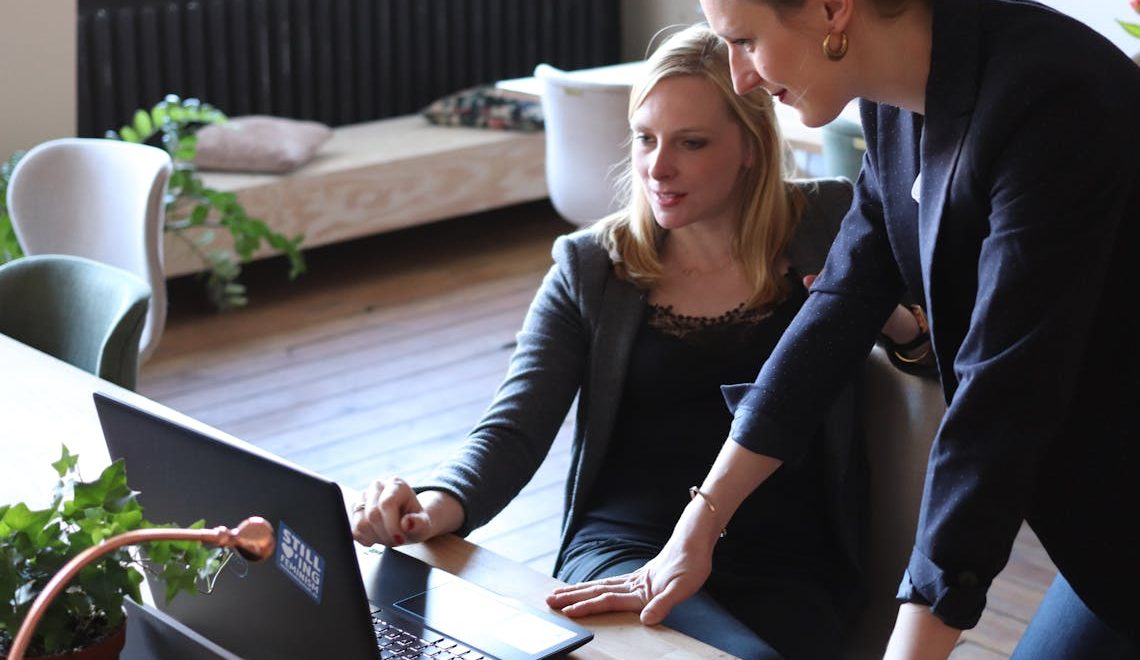
Feature Image by CoWomen
More to Love!
Where Fashion Meets Care: How to Up Your Everyday Style at Home
How to Budget In All Areas of Life Without Missing Out