SUBSCRIBE


From Outdated to Updated: Interior Redesign Ideas for Rental Properties
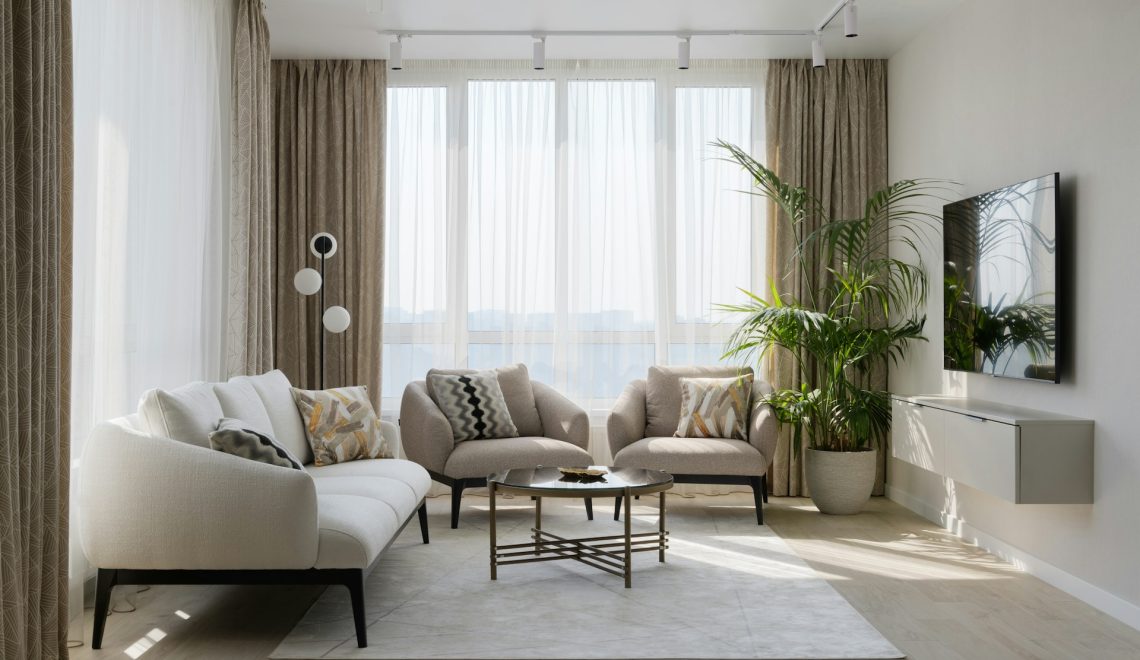
Tenants judge books by their covers. They scroll through listing apps with ruthless speed, dismissing anything that looks drab or smells, metaphorically, like 1995. For a landlord, the difference between a signed lease and a vacant month often comes down to visual cues. But renovating a rental isn’t the same as designing a forever home. You aren’t looking for “perfect.” You are looking for durable, neutral, and cost-effective.
You don’t need to tear down walls to change the math on your return on investment. Often, strategic cosmetic updates yield the highest returns, allowing you to command higher rents while keeping maintenance headaches to a minimum.
Floors That Forgive
If there is one golden rule in modern rental ownership, it is this: kill the carpet. Old carpet holds odors, stains the second a tenant spills a glass of wine, and screams “outdated.” The current standard is Luxury Vinyl Plank (LVP). It mimics the warmth of hardwood but is virtually indestructible against water, scratches, and pets.
Design-wise, aim for a mid-tone oak. Dark floors show every speck of dust; very light floors show every scuff. A neutral, warm wood tone acts as a blank canvas. It allows tenants to bring in their own rugs and furniture without clashing. Plus, because LVP is often installed as a floating floor rather than glued down like tile, it can fall into favorable tax categories for depreciation.
The Kitchen Facelift
You don’t need to install marble to make a kitchen pop. If the existing cabinets are structurally sound, paint is your best friend. White is classic, but a soft “greige” or navy on lower cabinets adds a perceived high-end value that tenants love. Swap out dated hardware for matte black or brushed brass pulls. It’s a fifty-dollar fix that changes the room’s entire personality.
Appliances also carry significant weight. A mismatched set of white and almond appliances dates a property instantly. Stainless steel is the expectation now, even in modest rentals. These upgrades, appliances, flooring, and fixtures, are exactly the types of assets savvy investors track. Whether you are managing a massive portfolio or just converting your starter home into an income property, keeping detailed records of these improvements matters for your bottom line later.
Lighting: The “Dome Light” Problem
Nothing depresses a room quite like those flush-mount, frosted glass domes found in hallways across America. Replacing these with modern drum shades, semi-flush mounts with clean lines, or recessed LED lighting instantly modernizes a space.
Lighting temperature matters just as much as the fixture. Avoid “daylight” bulbs (5000K) in living areas. They make a home feel like a hospital waiting room. Stick to “warm white” (2700K-3000K) to create an inviting atmosphere that makes potential tenants want to linger during a showing.
Bathroom Refresh
Gutting a bathroom is an expensive job. Instead, focus on the vanity and the mirror. A builder-grade mirror glued to the wall looks cheap, but a framed mirror looks intentional. If the vanity is old, replacing it with a modern, freestanding unit can make a small bathroom feel larger. Also, install curved shower rods. They add elbow room in the shower and a touch of luxury for less than thirty dollars.
Avoid Emotionally Driven Choices
Updating a rental property is about making smart and high-impact choices rather than emotional ones. By focusing on durable flooring, cohesive appliances, and lighting that doesn’t feel clinical, you will elevate the perceived value of the unit. These changes will do more than just attract better tenants; they reduce turnover and vacancy time, ensuring your investment works as hard as you do.
More to Love!
How Can You Optimize Your Airbnb Rental for Expo Events and Tourist Seasons in Dubai: Expert Tips for Success
Iconic Views and A-List Amenities: What to Expect from Luxury Villa Rentals in Hollywood