SUBSCRIBE


The Enduring Elegance of Women’s Luxury Watches
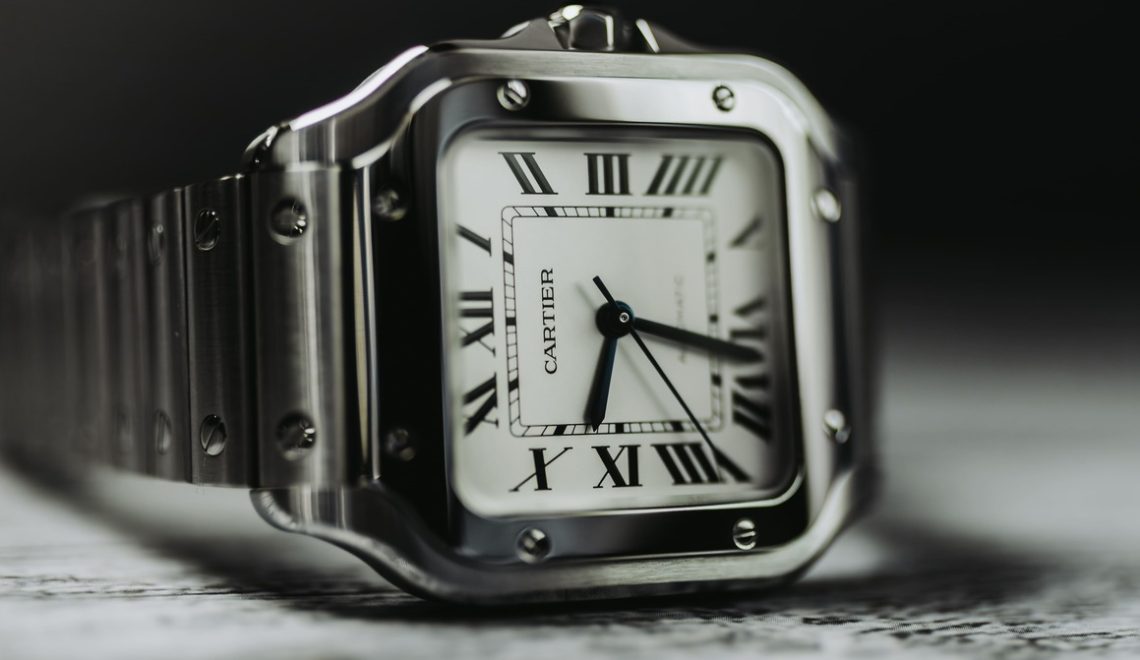
A luxury watch has always been more than a timekeeper. It is proportion, restraint and quiet authority expressed in miniature. Nowhere is that more evident than in women’s luxury watch design, where subtlety often speaks louder than scale.
While trends in fashion shift rapidly, fine watchmaking moves at a different pace. Materials evolve. Movements improve. Yet the core principles remain constant: balance, craftsmanship and permanence. The best women’s watches do not chase attention. They reward close inspection.
Cartier and the Architecture of Refinement
Few maisons understand proportion quite like Cartier.
From the early 20th century onward, Cartier approached watchmaking through the lens of design. Case shapes were architectural. Lines were clean. Dials were restrained. Whether rectangular, square, or softly rounded, each piece felt intentional rather than decorative, a quality that continues to define the appeal of used Cartier watches among discerning collectors.
The enduring appeal of Cartier lies in this discipline. Roman numerals, blued hands and balanced case geometry create watches that complement rather than compete. They sit comfortably beneath a cuff or alongside evening wear without demanding attention.
For collectors exploring a curated selection of Cartier’s timeless designs, the secondary market offers access to both contemporary pieces and references no longer in production. It allows a considered entry point into a brand whose design language has remained remarkably consistent for over a century.
OMEGA and Contemporary Precision
Where Cartier leans into form, OMEGA has long balanced technical credibility with refined aesthetics.
OMEGA’s women’s collections combine mechanical integrity with elegant detailing. Slim cases, mother-of-pearl dials and diamond accents sit alongside the same engineering standards found in the brand’s professional tool watches. That blend of substance and grace is what gives the watches longevity.
The appeal is not purely decorative. It is the reassurance that the piece on the wrist is backed by real watchmaking heritage. From smaller case Seamasters to delicately proportioned Constellations, OMEGA’s women’s timepieces occupy a space where craftsmanship meets everyday versatility.
For those considering a curated pre-owned OMEGA collection, the advantage lies in access. Earlier dial variations, discontinued sizes and subtle design changes can often be found outside the constraints of current retail lines.

The Value of Proportion
One of the most overlooked aspects of women’s luxury watches is proportion. A well-designed piece does not rely on excessive embellishment. Instead, it achieves harmony between case diameter, dial layout and bracelet integration.
Modern buyers increasingly favour watches that feel enduring rather than seasonal. Clean lines. Wearable dimensions. Thoughtful finishing. These are qualities that transcend trend cycles.
Luxury, at its best, is about discretion. A watch that reveals its depth slowly tends to outlast one that shouts.
Pre-Owned as a Considered Choice
The pre-owned market has matured significantly in recent years. For discerning buyers, it offers access to discontinued references, greater variety in dial and case combinations and a more measured entry into established luxury brands
When chosen carefully, a pre-owned piece carries the same design integrity as a new one, often with the added character that only time provides.
Women’s luxury watches occupy a distinct space within horology. They are not scaled-down afterthoughts. At their best, they are exercises in design discipline and mechanical credibility.
Whether drawn to Cartier’s architectural clarity or OMEGA’s refined engineering, the appeal lies in longevity. These are watches designed to accompany moments, not dominate them.
And that, ultimately, is where true elegance resides.
More to Love!
Why Authentic Rolex Watches Are a Long-Term Investment
Mastering Time: Delving into the Differences Between Quartz and Mechanical Watches