SUBSCRIBE


On the Edge: The Enduring Allure of the Human Hand in a World Shaped by AI
Take a minute to truly experience the world around you. Feel the weight of this magazine in your hands, the smooth texture of the paper beneath your fingertips. Consider the subtle sounds, the faint aromas that define your present moment. In these grounded sensory experiences, we uncover a wealth of detail and emotional resonance that often goes unnoticed in our daily rush. For luxury, this heightened awareness has always been paramount. To be truly remarkable, a creator must understand how sensory experiences ignite desire and forge lasting emotional connections. Yet the world around us is undergoing a profound transformation with the increasing presence of Artificial Intelligence.
The foundation of luxury begins with the tangible: the meticulously crafted object born from dedication and skill—an act of true creativity, which, in itself, is derived from emotional connection. As a former dancer and now writer, I describe the creative process as a matter of “blood, sweat, and tears”—an ingrained work ethic driven by a relentless pursuit of perfection. This devotion to craft—to creativity—has long defined the world of luxury, where standards and prestige remain vital currencies.
However, over the past decade, the influence of AI has grown dramatically across diverse creative fields—from the visual arts to fashion, jewelry, and performance. While the importance of artisanal expertise remains undiminished, this technological shift demands careful consideration of its role in shaping the future of luxury.
When Technology Enters the Creative World
First in the world of art, a space that has historically embraced new tools with relative speed. A Christie’s auction, where AI-generated art commanded thousands, surprisingly exceeded initial estimates, igniting considerable debate. The works were hailed as “transformative”, while critics claimed that many of the pieces infringed upon copyrighted art. This moment of divide raises fundamental questions about how we value creative output in an age where algorithms can generate seemingly infinite variations. In some respects, it echoes historical controversies surrounding the likes of Marcel Duchamp’s work, or the Cubists’ initial rejection of Futurism; is it simply a matter of embracing this new form of expression?
AI can assist in the early stages of design, rapidly generating numerous concepts based on given parameters—imagine the production of hundreds of ring designs from just a few examples input into an AI system. It allows designers to quickly filter and refine ideas before adding their own final touches to elevate the result into true artistry. This “help” could be invaluable to some, bringing efficiency and effectiveness to the creative process, but as a consumer, does it take away from the feeling you have when trying on the ring that has captured your attention?
It’s that feeling that prompts the question: does the magic of luxury lie in what one artisan calls “the wonderful we don’t know”—that ineffable realm beyond purely logical computation? After all, can AI truly surprise us, emotionally speaking, when surprise is based on human reaction, on something almost subliminal?
Where Creativity and Intuition Meet
Currently, AI lacks the capacity for those “subliminal moments” and nuanced emotional understandings that inform genuine creative craftsmanship. Consider the centuries-old tradition of handcrafting ballet point shoes—a process demanding extraordinary dexterity and perfected skills, infused with what dancers recognize as the “soul” imparted by master artisans.
The rise of AI and 3D printing for customization raises uncertainty about the human element in such crafts. However, when a ballerina steps into shoes made by human hands versus those designed by algorithms, is something essential lost in the transaction?
As we navigate this evolving landscape, maintaining the heritage and cultural significance of luxury goods becomes increasingly vital. Yet the relationship between traditional craft and technology need not be confrontational. Through thoughtful collaborations between artisans and technologists, dedicated education initiatives, and considered integration of technology, luxury brands can honor their rich legacy while embracing future possibilities.
Luxury interior designers are utilizing 3D modelling and AI tools while consciously nurturing their furniture makers’ skills, recognizing that no machine can fully replicate the nuanced understanding of materials and vision required to bring certain designs to life. We are seeing fashion designers utilizing AI processes to visualize their work at the initial sketching stage, allowing them to push their creativity to its full potential in a way never before possible. The AI-generated avant-garde collections that have appeared in “AI Fashion Week” go a step further, and while they might spark controversy akin to Christie’s AI art sale, there’s no denying that innovation is being pushed to the absolute max here. And when AI is set to create more customer-centric, sustainable fashion, it’s hard not to be, at the very least, intrigued.
Imagining the Future of Luxury
Some will argue that a machine that thinks, albeit artificially, is capable of wondrous innovation. Pair that with the human imagination—harmonizing these disparate worlds in creating a future where both tradition and technological innovation thrive— This balance extends to how luxury brands find and connect with their audiences. As AI reshapes marketing, access to verified B2B contact data helps brands ensure their outreach reaches the right decision-makers — bringing the same precision to client acquisition that artisans bring to their craft. And suddenly, the creativity behind all our luxurious items will know no bounds. Yet others will argue that the enduring allure of luxury lies not in technological innovation alone, but in the senses—that irreplaceable human touch.
Maybe it’s not the decades or centuries of “blood, sweat and tears” that have gone into a craft, but the sensory richness created from that craft and knowledge: that beautifully lit space in which the creators have stood, viewing every aspect; that sumptuous fabric woven for the most pleasurable touch; that delicate scent inhaled time and again, refined accordingly; that intricate flavor only a tongue can truly taste; that music pulling so tenderly on its writer’s heartstrings—and on yours. Based on the sensorial experience of luxury, it seems unlikely that AI could ever tap into these distinct human senses as seamlessly as a human… but only time will tell.
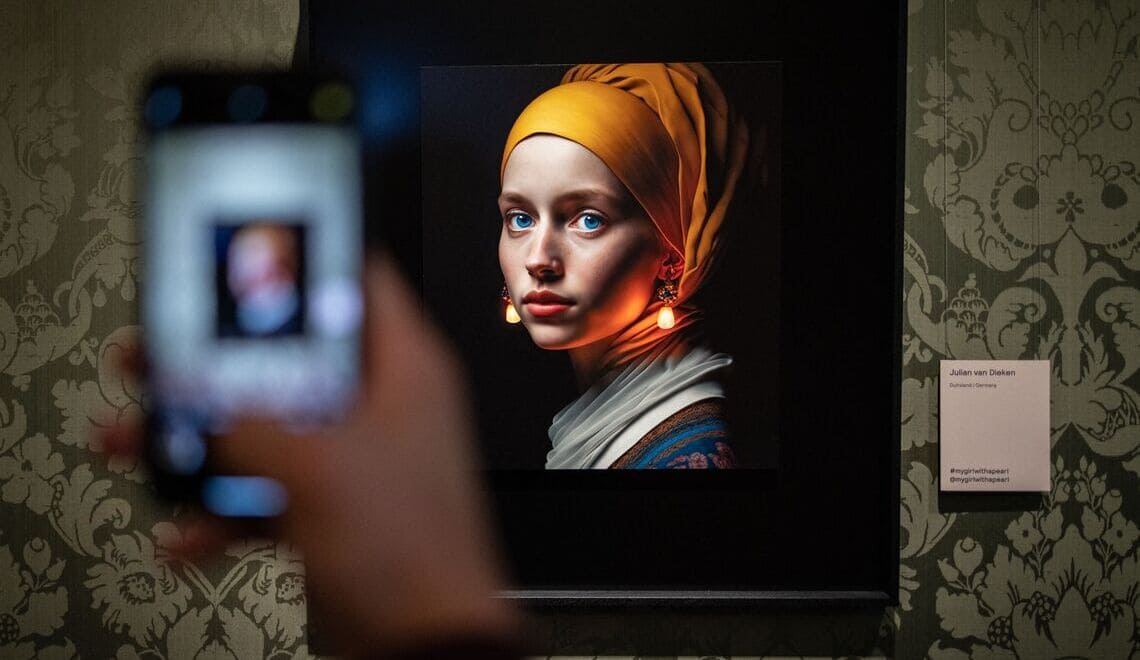
Feature Image: A visitor at the Mauritshuis museum takes a photo of an image designed with AI by digital creator Julian van Dieken, inspired by Johannes Vermeer’s painting “Girl with a Pearl Earring” | Photo by Simon Wohlfahrt/AFP via Getty Images

About the Author
As a Life Coach & Mentor and Writer, Gayle Grant merges creative discipline cultivated through a career in dance with strategic leadership expertise gained in the education and business sectors. Deeply committed to holistic wellbeing and mental health, Gayle specializes in designing and delivering wellness initiatives that foster meaningful personal and professional growth.
More to Love!
Read the Next Article in “Intoxicating Savoir-faire”
Go Back to the Digital Drop
Explore the “On the Edge” Series