SUBSCRIBE


Types of Wood Used in Modern Furniture Design: Pros, Cons, and Best Uses
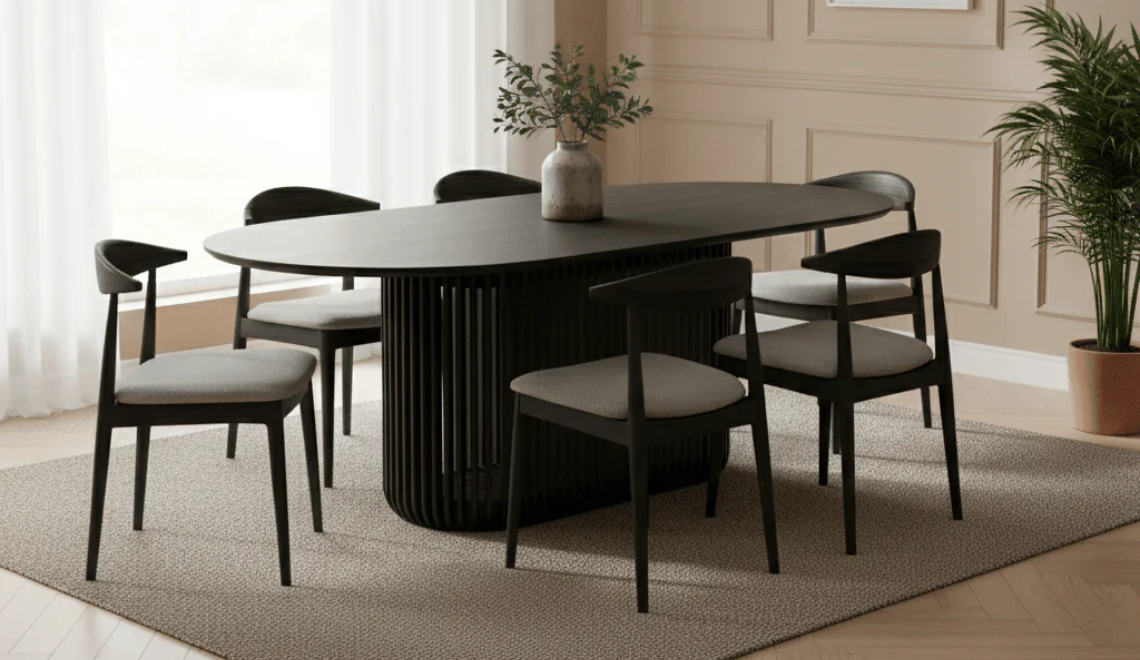
If you’ve ever walked into a furniture showroom and felt a sudden wave of decision paralysis, you aren’t alone.
It’s easy to get distracted by a sleek silhouette, but the “soul” of any piece of furniture, especially in modern design, is the timber it’s built from.
When it comes to wooden designs, we believe the right material is the foundation of a functional home.
The wood you choose dictates more than just the color; it determines how heavy a piece is, how it handles a red wine spill, and whether it’ll still be standing twenty years from now.
It’s a constant balance of durability, cost, and that immediate “wow” factor.
Before we look at specific species, let’s clear up the fundamental divide: hardwoods versus softwoods.
Understanding Wood Types in Furniture Design
Contrary to the names, “hardwood” doesn’t always mean it’s rock-hard, and “softwood” isn’t exactly squishy.
The distinction is actually botanical, meaning it’s all about how the tree reproduces.
What is Hardwood?
Hardwoods come from deciduous trees, which lose their leaves annually, such as oak, walnut, and maple.
Because these trees grow slowly, the resulting wood is much denser.
This density is a massive asset for furniture; it’s tough, heavy, and incredibly resilient.
While you’ll certainly pay a premium for hardwoods, you are essentially buying an heirloom that can be sanded down and refinished for decades.
What is Softwood?
Softwoods come from evergreen conifers like pine and cedar.
These species grow rapidly, which makes the lumber affordable and much easier for woodworkers to manipulate.
Softwoods are lighter and carry a certain rustic charm, but they aren’t quite as rugged as their hardwood cousins.
They are great for specific projects, but you have to be comfortable with a few “character marks” like scratches and dents that show up over time.
Engineered Wood vs Solid Wood
Then we have the “manufactured” options.
Plywood is made by bonding thin sheets of wood in alternating directions, making it incredibly stable and warp-resistant.
MDF (Medium-Density Fiberboard) and particleboard are made from wood fibers or chips glued together under pressure.
These are the kings of affordability and consistency, but they lack the repairability and “soul” of solid timber.
Popular Hardwood Types in Modern Furniture
When you’re looking for a “forever” piece, hardwoods are the gold standard. Here are the big players:
Oak Wood
Oak is the workhorse of the industry. It has a prominent, classic grain and is naturally resistant to daily wear and tear.
Because it’s so sturdy, it’s the go-to choice for high-traffic items.
If you need a surface that can handle family dinners and heavy laptop use, oak is the ideal choice.
Just keep in mind it’s heavy as lead, so don’t plan on rearranging the room by yourself!
Walnut Wood
If oak is the reliable truck, walnut is the luxury sedan.
It’s famous for its rich, chocolate-brown tones and a grain pattern that looks stunning with just a simple, clear coat.
Because it’s highly sought after and grows slowly, it sits at a higher price point.
It’s the wood of choice for statement pieces meant to be the focal point of a room.
Maple Wood
Maple is the minimalist’s dream. It features an incredibly smooth, fine-grained, and light, creamy color that brightens a space.
It’s actually harder than oak, making it exceptionally durable.
The only catch is that maple can be stubborn with stains, so most designers prefer to leave it natural to highlight its clean, modern vibe.

Common Softwoods in Furniture Design
Softwoods shouldn’t be dismissed; they have a very specific place in a well-designed home.
Pine Wood
Pine is everywhere for a reason. It’s affordable, lightweight, and takes paint beautifully.
It has a cozy feel with visible knots that suit a modern-rustic look.
In modern design, we often use it for wall-mounted items where weight is a factor.
For instance, because it won’t strain your wall studs, pine is a popular choice for floating nightstands.
Just remember: if you drop a heavy lamp on it, it’ll likely leave a souvenir dent.
Cedar Wood
Cedar is famous for its distinct scent, but its real superpower is a natural resistance to moisture and insects.
This makes it the MVP for outdoor furniture or chests meant for linen storage.
It’s quite soft, so it isn’t the first choice for a high-traffic indoor dining table, but for a patio set, it’s unbeatable.
Engineered Wood Options
Sometimes, the budget or a specific aesthetic calls for an engineered approach:
Plywood
Strong and stable, often used in mid-range modern furniture to provide a sleek, layered “exposed edge” look.
MDF
If you want a perfectly smooth, painted finish, for example, a matte navy blue cabinet, MDF is actually better than solid wood.
It won’t expand and contract with the weather, which keeps the paint from cracking at the joints.
Particleboard
This is your standard “flat-pack” material.
It’s great for temporary setups or dorm rooms, but it doesn’t handle moisture or heavy weight particularly well over the long haul.
Choosing the Right Wood for Your Furniture
So, how do you decide? Start with usage.
If it’s a piece you’ll touch and use every day, invest in hardwood.
If it’s purely decorative or rarely used, you can save some cash with softwood or engineered options.
Next, consider style. If you’re a fan of the mid-century modern aesthetic, you’ll find that woods like teak or walnut are the standard.
The rich tones and slender, tapered legs of that era require the structural strength that only a dense hardwood can provide.
Finally, look at your budget. It’s okay to mix and match!
You might splurge on a solid wood dining table, but opt for pine shelving in the pantry.
Durability vs Cost: What Should You Prioritize?
I always tell people to look at furniture as a long-term investment.
A hardwood piece might cost three times as much as a particleboard version, but if it lasts ten times longer, it’s the cheaper option in the long run.
However, if you’re in a temporary rental or like to change your style every few years, the flexibility and lower price point of softwoods are a lifesaver.
Aesthetic Considerations in Modern Design
Modern design is all about letting the material speak for itself.
In a Scandinavian-style home, you’ll see light-toned woods like maple to keep things airy and bright.
In an industrial loft, the heavy grain of oak fits perfectly against exposed brick.
The recent trend has been “biophilic” design, which means keeping the wood as natural as possible with matte finishes that celebrate the tree’s history rather than hiding it under thick glossy stains.
Best Uses (Quick Guide)
| Furniture Item | Recommended Wood Type | Why? |
| Dining Tables | Oak, Walnut, Maple | High durability for daily friction. |
| Beds & Nightstands | Pine, Birch, Oak | A blend of weight savings and strength. |
| Outdoor Benches | Cedar, Teak | Natural weather and bug resistance. |
| Painted Cabinets | MDF | Provides the smoothest surface for paint. |
Wrapping Up
Choosing the right wood comes down to how you actually live.
If you’ve got a busy house with kids and pets, the resilience of hardwood is worth every penny.
If you’re looking for a sleek, minimalist vibe on a budget, high-quality softwoods or plywood can look incredibly high-end.
At the end of the day, the best wood is the one that fits your lifestyle and makes you smile when you walk into the room.
More to Love!
Top 5 Benefits of a Wooden Bed Frame
How to Increase Your Property’s Resale Value: A Complete Guide to Exterior Aesthetics