SUBSCRIBE


The Infrastructure Behind Five-Star Guest Experiences
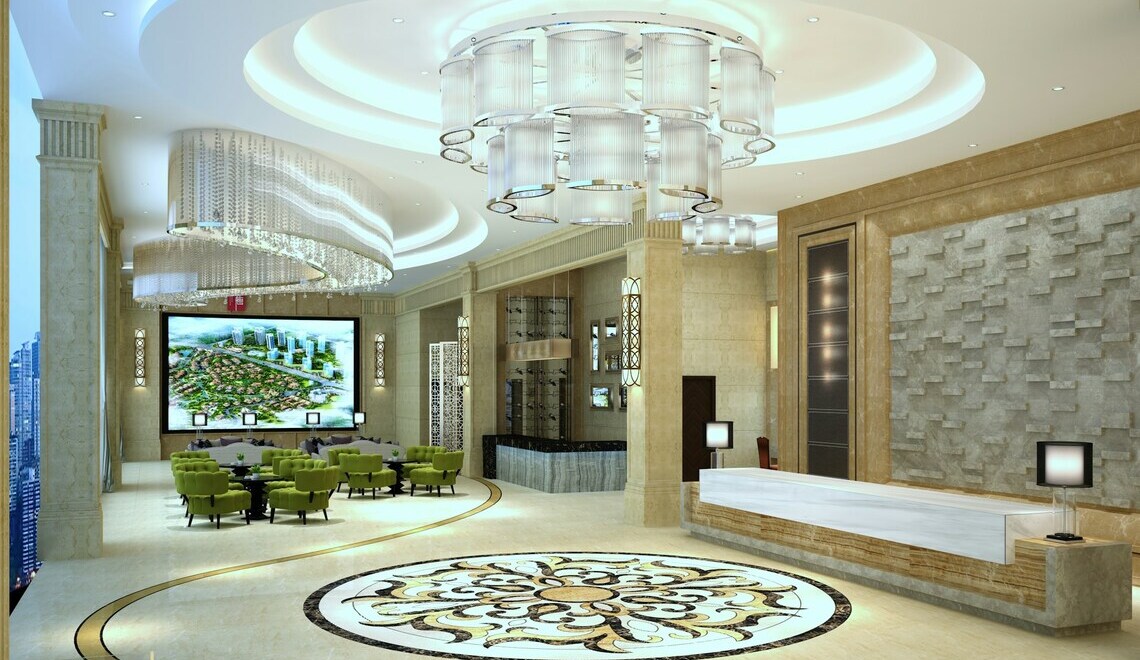
Guests often judge a hotel by what feels effortless. The room is ready on time, the temperature is right, the hallway is quiet, and the shower works exactly as expected. That kind of experience does not happen by accident. It comes from a property that has been maintained with care, consistency, and attention to detail. In luxury hospitality, maintenance is not just about fixing what breaks. It is a part of the standard itself. When the infrastructure is dependable, service feels polished without drawing attention to the work behind it.
This is where hotel maintenance becomes central to the guest experience. The strongest luxury properties treat maintenance as a part of brand promise, not a back-of-house chore. If a light flickers, a door sticks, or an HVAC system drifts off balance, guests notice quickly, even if they never mention it. Five–star service depends on eliminating those small signs of wear before they become visible. That is why the best hotel teams build routines around inspections, preventive maintenance, and quick response. Their goal is simple: make comfort feel natural.
Comfort Without Disruption
A luxury stay should feel calm from the time the guest arrives till their last day of the stay. That calm is built on systems that work in the background without any interruptions. Temperature control, water pressure, elevator reliability, and room readiness all shape how guests experience the property. If those systems fall short, the property may still look beautiful, but the experience feels incomplete. Maintenance teams protect that sense of ease by staying ahead of problems and keeping the details in order. In hospitality, small failures can leave a much bigger impression than their size suggests.
Consistency Builds Trust
Guests return to hotels that feel dependable. They want the room to be just as clean, quiet, and comfortable on the second day as it was on the first. That kind of consistency requires more than strong service training. It depends on equipment being serviced on time, rooms being inspected properly, and repairs being handled before they affect the guest. When maintenance is organized, the property can deliver the same level of quality day after day. For luxury hotels, that consistency is not a bonus; it is the foundation of trust.
Preventive Care Pays
The staff of luxury hotels understands that they need to be proactive about providing proper service to their elite guests. They do not wait for something to fail, as they can lose their loyal clients overnight, and it can lead to negative word of mouth about the property. A broken amenity or a delayed repair can disrupt a guest’s stay and put extra stress on staff. Preventive and prompt maintenance reduces that risk by identifying issues early and rectifying them, thereby avoiding negative testimonials from the guests. It also gives managers a clearer view of what needs attention, which helps with planning and budgeting. According to the U.S. Department of Energy, well-planned maintenance is one of the most effective strategies for ensuring equipment longevity and building reliability in commercial properties. In a high-end property, this matters because the cost of a repair is never just the repair itself. It is also the guest experience attached to it.

Standards Define Luxury
Luxury hospitality is measured by standards, and those standards are often stricter than guests realize. Forbes Travel Guide describes itself as the only independent global rating system for luxury hotels, restaurants, spas, and cruises, and says its inspectors evaluate properties against up to 900 objective criteria. For hotels that want to operate at that level, the infrastructure has to support the promise. More than anything, that means maintenance cannot be reactive. It has to be steady, visible to the team, and aligned with the experience the property wants to deliver.
Team Handovers Matter
Luxury service is often lost in the handover between concerned teams. Housekeeping notices an issue, the front desk hears about it, engineering responds, and the guest expects the problem to be resolved without any delays. When those handovers are unclear, even a small concern can become a service failure. Good maintenance makes communication clearer. Tasks are assigned accurately, updates are easy to track, and everyone knows what has been done. That kind of flow matters in a busy hotel because it keeps the property moving without confusing guests.
Reputation Is Built
A five-star reputation is rarely shaped by one dramatic moment. It is built through dozens of small experiences that feel seamless to the guests. A working lamp, a quiet room, a polished suite, a prompt repair, and a clean common area all add up. Maintenance supports each of those moments. When the property is cared for properly, guests feel looked after even when no one is standing beside them. That is the quiet power of good infrastructure; it protects the experience before the guest ever has a reason to question it.
Wrapping Up
The best hotels do not rely on design alone; they rely on systems that help the property perform at a high level every day. Maintenance is part of that performance; it keeps the guest environment comfortable, supports staff confidence, and protects the standard the brand is trying to match. When it is done well, guests may never think about it at all, and that is usually the sign it is working. Five-star experiences are not only created at the front desk. They are supported behind the scenes, one well-maintained detail at a time.
More to Love!
How to Design a Bathroom That Feels Like a Five-Star Hotel Every Morning
5 Reasons TRS Turquesa Hotel Is the Adults-Only Luxury Hotel in Punta Cana You’ve Been Dreaming of