SUBSCRIBE


How Safe Are You Traveling? Key Physical and Digital Protections
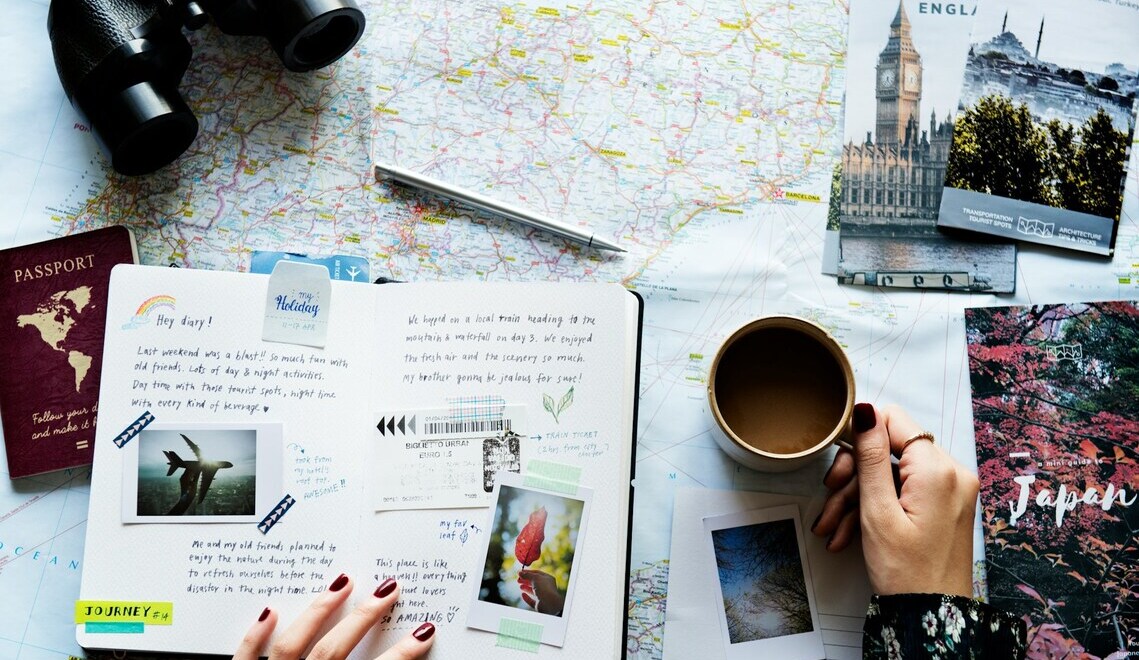
Yes, bad stuff can happen on vacation, but obsessing over maybes and mights will just sap the joy out of what’s supposed to be a time of anticipation and excitement. Staying calm and adopting a few smart, practical tips will help more than pointless worrying ever could. Here’s what you should be doing to keep yourself and your digital life safe while exploring the world.
Practical Physical Safety Precautions
Staying safe physically boils down to becoming someone or adopting habits that others don’t notice or will want to bother with. The following small changes to your behavior and gear make all the difference.
Blend in
Tourists are easy to spot: they’re loud, excited, walk around casually, and often dress differently from the locals. All of this paints them as distracted and therefore ripe for the picking, whether through outright theft or one of the many scams common to large cities and tourist traps.
Want to be safe? Then act like you belong. Research what the locals usually wear and dress accordingly, taking care to leave jewelry and flashy gadgets at home. Walk everywhere with purpose while also being aware of your surroundings. Observe the people around you, see how they walk or wait in line and match those tells. While you shouldn’t skip sightseeing, try not to be too obvious about it.
Be hard to steal from
You can be a pickpocketing victim even without giving off tourist vibes, so make yourself a harder target. Get a cross-body bag they won’t be able to tear away, or buy one of those backpacks with invisible zippers and hidden compartments for your laptop and other valuables. If you do get attacked, having a second wallet handy will hurt a lot less
Remain in control
Knowing yourself and your surroundings helps prevent and minimize problems. For example, you should familiarize yourself with the neighborhood you’re staying in upon arrival. Where’s the nearest bus or tram stop? Are there any 24/7 shops or pharmacies nearby? Whom can you contact if you feel unsafe?
While enjoying yourself is fine, don’t become reckless. Try not to go from buzzed to blackout drunk, especially if you’re traveling solo. Always keep an eye on your drink while you’re at it, and have a plan for safely getting back to your lodgings.

Digital Protections
Even diligent travelers often forget that there’s a digital component to their overall safety. Here are the three common-sense precautions to take.
Secure your phone
Smartphones are portable treasure troves that thieves and hackers alike love getting their hands on. They hold your email and social accounts, banking and personal info, not to mention photos and other meaningful files. As such, securing your phone should be first on your digital safety checklist.
Start with the lock screen. Set it to lock automatically after a few seconds of inactivity, even if that’s not how you normally like it. Turn off lock screen pop-ups so no one can see incoming messages and notifications. Have it open only through biometrics like FaceID since they’re harder to bypass than your SIM PIN. Finally, turn off automatic Wi-Fi and Bluetooth pairing so you don’t accidentally accept rogue connections.
Use a VPN when accessing public Wi-Fi
Unsafe connections are the likeliest digital threats you’ll face while traveling. Wi-Fi is free and everywhere, so most people will use it without a second thought. Sadly, it’s easy for cybercriminals to monitor or clone the public Wi-Fi you’ll find at airports, hotel lobbies, and restaurants. They can then spy on which websites you visit, copy data sent via unsafe means, and even redirect you to malicious websites.
All of this becomes a non-issue if you turn on the VPN for your cyber protection. The VPN protects the entire connection with an encrypted tunnel, severely limiting its harmful potential. The crooks may still see that data is being transferred, but they won’t be able to know what you’re doing, which sites you’re visiting, and what credentials you’re using.
Use a travel card or a separate account for card transactions
Card skimmers have been around for a while and are especially prevalent in big cities and touristy areas. Worse yet, they’re becoming smaller and more sophisticated, meaning you can’t just yank one off anymore. Using a compromised ATM can expose your card’s details, including the PIN. Nothing will likely happen right away, but you’ll definitely notice once weird expenses start showing up on your bill.
Figure out roughly how much you think you’ll need to spend during the vacation and transfer that amount onto a dedicated travel card. This will keep your main accounts safe and limit the damage if the card’s info gets stolen. Plus, it will help you stick to your budget.
More to Love!
Prioritizing Safety While Traveling In the US
5 Transformative Destinations for Solo Female Travel