SUBSCRIBE


The Woman Behind Atwater: Stina Funch on Leadership, Storytelling, and the Art of Hospitality Design
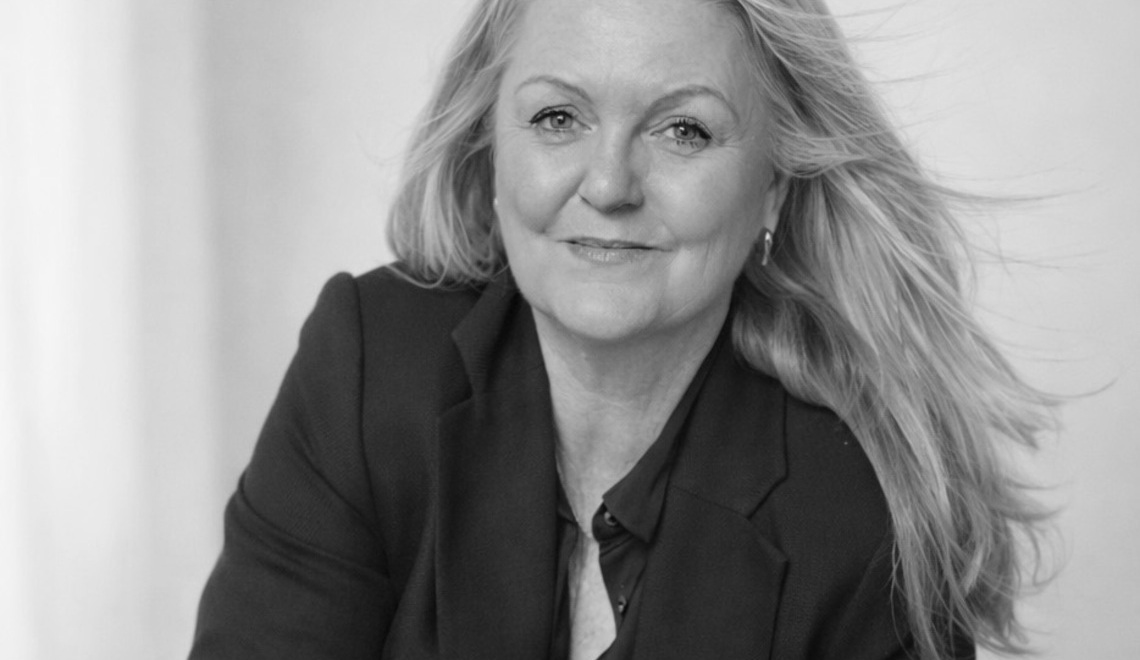
At the intersection of design, storytelling, and lived experience, the most compelling spaces are those that feel deeply human—layered with intention, shaped by movement, and grounded in meaning. In this installment of The Women of…, we turn our focus to a voice redefining hospitality design through both intuition and strategy: Stina Funch, founder of Atwater.
With a journey that spans continents—from Denmark to London, Mallorca, and Dubai—Stina brings a rare duality to her work: a quiet Scandinavian sensibility paired with a global, experience-driven perspective. Her approach goes beyond aesthetics, weaving narrative, operational insight, and emotional resonance into spaces that are not only seen but felt. Atwater itself is a reflection of this philosophy—built from instinct, shaped through evolution, and guided by a belief that design should function effortlessly while telling a deeper story.
In this LH Interview, Stina shares the path that led her here, the lessons forged through growth and uncertainty, and the values that continue to shape both her work and her leadership. What unfolds is not just the story of a designer, but of a woman building something intentional—where creativity, motherhood, and ambition coexist, and where every space begins with a story waiting to be told.
Meet Stina Funch, The Woman of Atwater
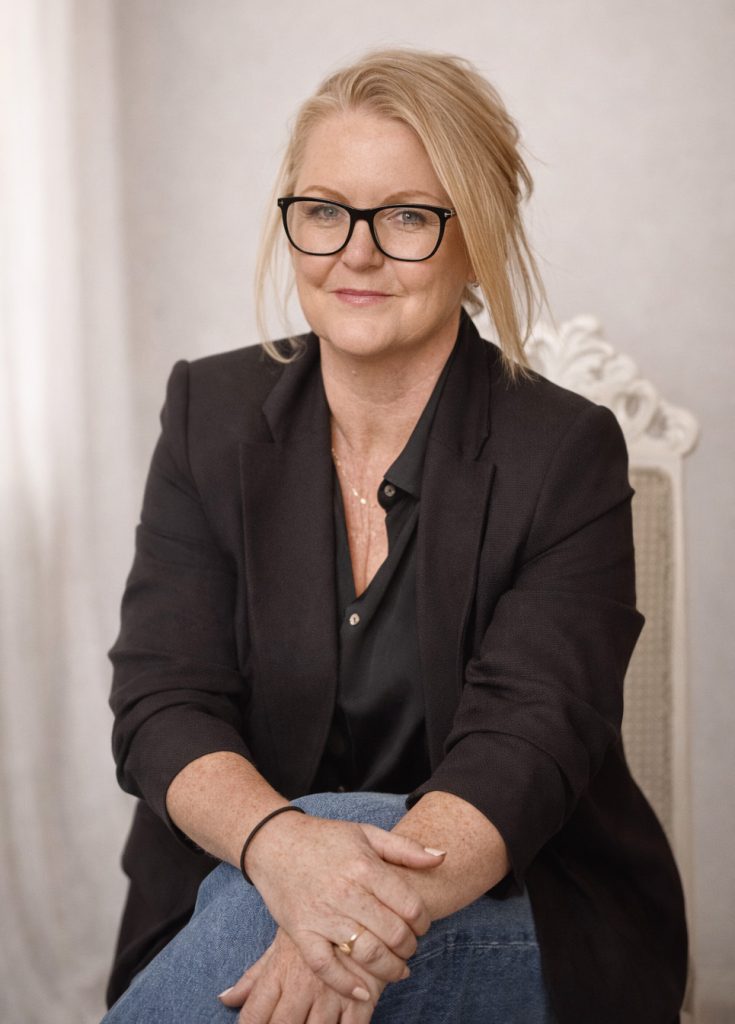
Tell us about your journey into the design world. What first sparked your passion for shaping spaces and experiences?
My path into design wasn’t linear—it unfolded over time, shaped by movement, curiosity, and a deep desire to experience the world.
I grew up in Denmark, where there is a natural appreciation for simplicity, light, and living with intention. From there, I was drawn outward—living and working across very different places: the quiet, considered rhythm of home, the layered and ever-evolving pulse of London, the sun-softened ease of Mallorca, and the striking, fast-moving landscape of Dubai. Each place carried its own atmosphere, its own way of gathering, of living, of feeling—and I was always observing.
I found my way into the hospitality industry early on, and something about it immediately stayed with me. There’s a certain energy to hotels—a constant flow, a sense of anticipation, a choreography that happens both seen and unseen. During that time, many of the properties I worked in were undergoing renovations, and I became quietly captivated by the transformation—how a space could shift so completely, not just in how it functioned, but in how it made people feel.
That’s where it truly began for me.
What started as an operational understanding of hotels slowly gave way to something more intuitive and creative. I realized I didn’t just want to be part of these spaces—I wanted to shape them. And that realization became the foundation for everything I do today.
You founded Atwater from the ground up. What inspired you to take the leap, and how has the firm evolved?
Atwater was built from instinct—but also from a very real need for change.
At the time, I was working in a larger firm environment, and while I loved the clients and the work itself, I felt increasingly disconnected from the parts of the process that mattered most to me. I’ve always been drawn to the full picture—not just the design, but the collaboration with clients, the dialogue with makers, and the many hands it takes to bring something to life. It’s never just one person—it’s a small village.
At the same time, I was already a mother to my son, Viggo—and that reality shifted everything. I began to feel, very clearly, that he needed more of me than I was able to give in the life I was living.
I needed to create a life that allowed me to be present—to build something meaningful professionally, while also truly being there for him.
Starting Atwater wasn’t some perfectly timed decision—it was a leap. One rooted in instinct, in necessity, and in a desire to build something more balanced, more connected, and more intentional.
In the early days, it was about saying yes, figuring things out, and building relationships. Over time, the studio has grown into a more defined practice—one that balances creativity with structure, and design with real-world execution.
What has remained constant is a quiet belief:
Design should do more than look beautiful—it should work effortlessly, and it should mean something.
You’ve spoken about building Atwater through both growth and chaos. What lessons shaped you as a founder?
Building Atwater was not a quiet or linear process—it was intense, layered, and at times, chaotic. Starting a studio, building a team, navigating a global pandemic, and traveling extensively across regions like China and the Middle East—all at once—there was very little stillness in those early years.
One of the biggest lessons has been learning how to move through that kind of uncertainty without losing your sense of direction. You don’t always have clarity—but you learn to move forward anyway, and to decide with conviction.
Over time, I’ve come to understand what kind of work truly allows me to do my best. I need a real connection—to the client, to the story, to the intention behind a project. Without that, it becomes transactional, and that’s not where meaningful design lives.
The work I’m most proud of comes from collaboration, trust, and a shared vision. It’s not about scale or volume—it’s about alignment.
And perhaps most importantly, I’ve learned to trust myself—both in what I create, and in the choices I make about who and how I work with.
How has your Danish background influenced your design approach?
Danish design is something I carry with me instinctively. It’s understated, elegant, and deeply intentional—never excessive, always considered. There’s a quiet confidence to it, a sense of calm and comfort that doesn’t need to announce itself.
Growing up in Denmark instilled that way of thinking early on—a respect for simplicity, for materiality, and for spaces that feel both functional and human. That perspective continues to shape how I design today. Even when a project is layered or expressive, there is always an underlying structure—an effort to edit, refine, and allow the essential elements to speak.
I’ve lived and worked abroad for many years, and in many ways I’ve become very Americanized—but at the core, I will always be Danish. And I think that duality is reflected in the work: a balance between restraint and warmth, intention and ease.
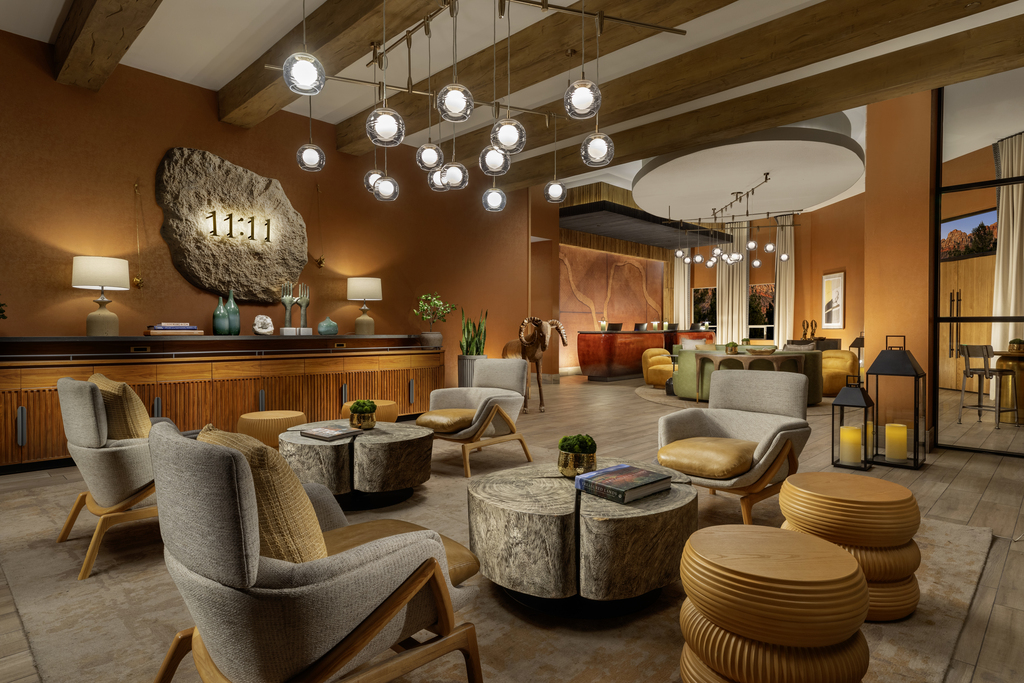
Your work goes beyond aesthetics into operations and strategy. How do you approach design as a tool for transformation?
Design, to me, is not surface-level—it’s a strategic tool. Especially in hospitality, it has the power to reposition a property, redefine its identity, and ultimately impact its performance.
It always begins with a story—a grounded position shaped by the client’s vision, the realities of the market, and the transformation we’re setting out to create. From there, I look at both the narrative and the operations in parallel. How does the space function? What does the brand need to communicate? Where is the opportunity to elevate?
When those layers align, design becomes transformative—it shifts not just how a space looks, but how it is experienced and valued.
I truly love what I do—and I don’t take that for granted. There’s something incredibly meaningful about helping bring a vision to life—about taking an idea and shaping it into something people can step into, feel, and remember.
Storytelling is central to your philosophy. How do you translate narrative into physical space?
It starts with listening—understanding the location, the history, the people, and the intention behind the project.
I come from a culture deeply rooted in storytelling—growing up in Denmark, with that legacy, it’s something that feels instinctive to me. There’s always a narrative beneath the surface, waiting to be understood and shaped.
From there, we distill those elements into a clear story—one that sets both the expectation and the intention for the project. That narrative then informs every design decision, from materials and lighting to spatial flow and detail.
It’s never about being literal. It’s about creating a feeling—something guests can intuitively connect to, even if they can’t immediately define it. Something that stays with them.
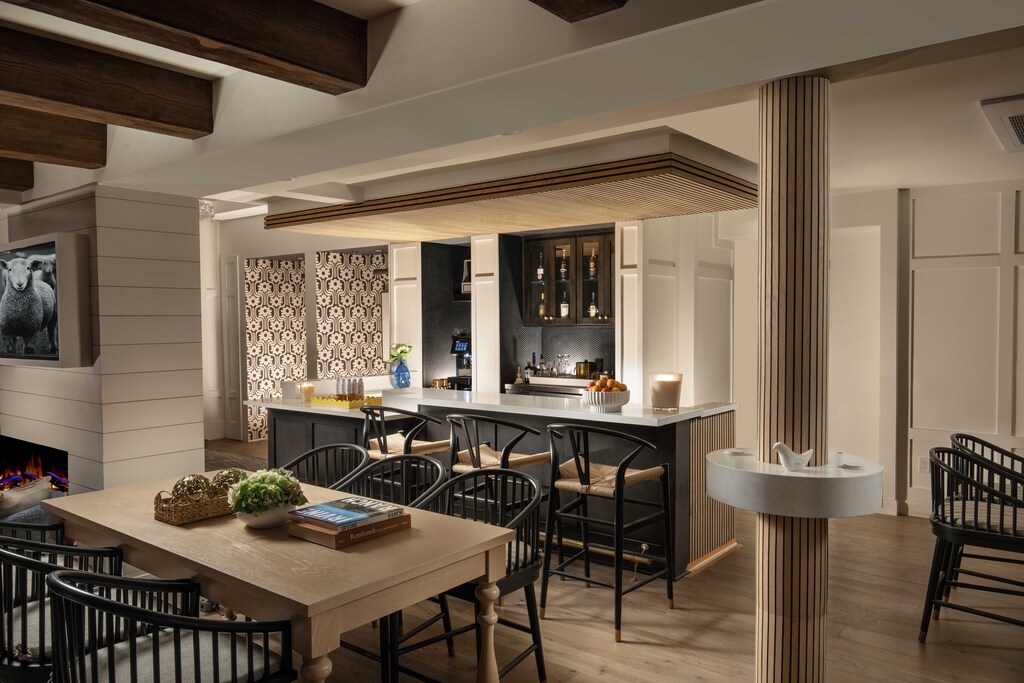
What kind of experience do you hope your work leaves with people?
I want people to feel something that stays with them—comfort, curiosity, a sense of place. I hope they find themselves immersed in the story we’ve created, even if it’s subtle.
The most successful spaces are the ones that feel effortless—where everything has been considered, but nothing feels forced. There’s a quiet confidence to them.
And truly, I just hope people love the spaces—that they connect to them in a real way.
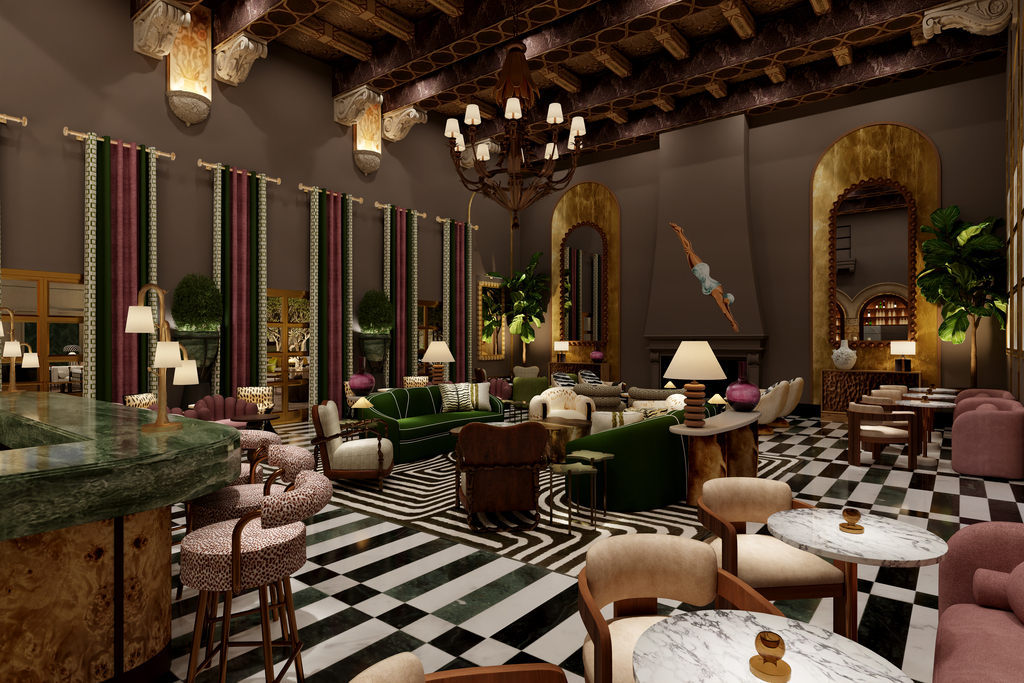
Just the other day, a dear friend sent me a photo from The Tiller House and said, “This feels so you.” That, to me, is the greatest compliment—because it means the work is not only seen, but felt.
If someone leaves a space feeling better than when they arrived, then we’ve done our job.
How has motherhood shaped the way you lead and build your company?
Motherhood has changed everything—in the best way.
I adore my son, Viggo. Watching him grow and flourish into a young man is, without question, my greatest joy. It’s my anchor. It reset my priorities in a very real way—what matters, where I spend my time, and how I show up, both at work and at home.
He would probably tell you that I work a lot—and I do. But I also live fully. I believe in working hard and playing hard, in creating space for both ambition and joy.
Being his mother has made me continually rethink what balance really means. It’s not something you find once—it’s something you actively create, every day. How do we make room for what matters? How do we create meaningful moments within the pace of life?
That perspective naturally carries into how I lead. It’s made me more focused, more decisive, and more empathetic. And it’s a constant reminder of why I do this—to build something meaningful, both professionally and personally.
What excites you most about the future of Atwater and hospitality design?
There’s a shift happening in hospitality toward more thoughtful, experience-driven spaces. Guests are looking for authenticity, not repetition—and that creates real opportunity.
I see a strong movement toward softer brands, more boutique-driven experiences—spaces that feel real, layered, and allow for a more personal connection. There’s a warmth to it, a sense of individuality that I find incredibly exciting.
Personally, I have a tremendous thirst for life—and that carries into how I see the future of the studio. We feel incredibly fortunate to be busy, to be working with inspiring clients, and to be part of projects that allow us to create meaningful experiences.
For Atwater, it’s about continuing to grow in a way that feels intentional—taking on work that aligns with our values, refining our voice, and pushing the work further.
It’s less about scale, and more about impact.
What advice would you offer to women building their own design practice or stepping into leadership?
Trust your perspective—it’s your greatest asset.
I often say this in the studio: slow down, set your intentions. There’s a tendency to feel like everything needs to happen at once, but it doesn’t. Rome wasn’t built in a day, and neither is a meaningful practice.
A dear friend of mine once gave me a cup that I see every morning when I have my coffee. It simply says, “Live the life you imagine.” And I think that’s exactly it.
Be true to yourself and what you stand for. Your point of view is what will set you apart—not how fast you move, or how much you take on.
There will always be moments of doubt—that’s part of the process. But if you stay grounded in your vision and continue to move forward with intention, things begin to take shape in the right way.
And don’t wait for permission. If you know what you want to build, start building it.
Atwater Inc. continues to shape boutique hospitality through a lens of intention, narrative, and operational clarity—quietly redefining what modern hotel design can be.
Explore more by Stina Funch and Atwater Inc.
Feature Photo by Robert Miller | All Photos Courtesy of Atwater Inc.
More to Love!
Meet More Empowering Women in the World of Luxury Living