SUBSCRIBE


9 Things to Do Immediately After Discovering Raw Sewage in Your Basement
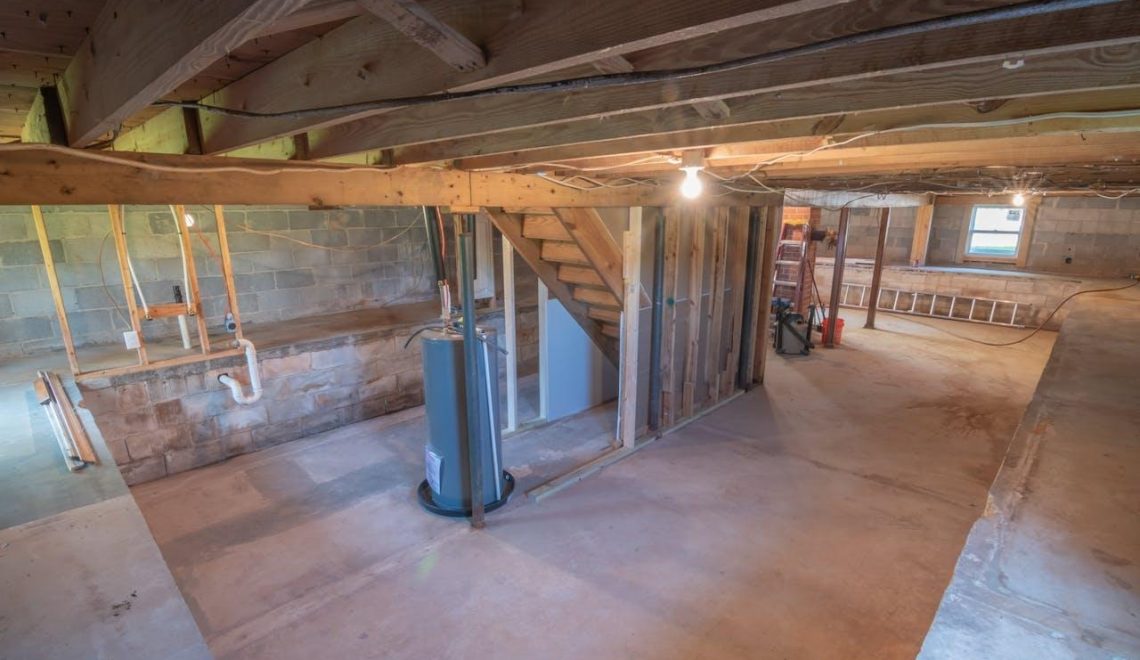
Dealing with raw sewage in your basement can feel devastating, but knowing the right steps to take is essential. The next 30 minutes matter more than you think. Acting quickly and in the right order can protect your family’s health, preserve your home’s structure, and strengthen your insurance claim.
With a clear plan and the right precautions, you can handle this messy situation effectively and safely. Follow this practical guide to take control and resolve the issue with confidence.
Keep Everyone Out, Especially Kids and Pets
Raw sewage carries dangerous bacteria, viruses, and parasites, the kind that cause serious illness with even brief exposure. The first thing to do is clear the basement immediately. No exceptions.
Children and pets are especially vulnerable because they’re more likely to touch surfaces and less likely to recognize the risk. Close the door, put up a barrier if you have one, and keep it off-limits until professionals clear the space.
Turn Off Power if Water Reaches Electrical Areas
Water and electricity are a deadly combination. If sewage has crept near your electrical panel, outlets, or appliances, shut off the power to that area from the main breaker, before anyone goes near it. If you’re unsure whether the area is safe to reach, don’t risk it.
Call your utility provider or wait for a professional who can assess it safely. This step can be the difference between a cleanup job and a catastrophe.
Call a Professional Cleanup Crew before Touching Anything
This is the step most homeowners delay, and it’s the one that costs them most. Sewage contamination isn’t a DIY situation. The cleanup requires specialized equipment, industrial-grade disinfectants, and protective gear that most people simply don’t have at home.
Reaching out to 24/7 emergency response services means trained teams can arrive quickly, contain the spread, and begin remediation before the damage compounds. The longer raw sewage sits, the deeper it seeps into floors, walls, and insulation—making the job significantly more expensive and the health risk higher.
Document Everything with Photos and Video
Before anything is moved, cleaned, or removed, pull out your phone and start recording. Walk the perimeter of the affected area and capture clear footage of the sewage spread, damaged belongings, affected walls, and flooring.
These visuals become critical evidence when filing an insurance claim. Photograph timestamps if possible. The more detailed your documentation, the less room there is for dispute later.

Avoid Flushing Toilets or Running Water Upstairs
Here’s something that surprises a lot of people: using water anywhere in your home can make basement sewage backup worse. Your drainage system is connected, and adding more water pressure to an already overwhelmed system pushes the problem further.
Hold off on running taps, using dishwashers, doing laundry, or flushing toilets until the source of the backup has been identified and addressed.
Open Windows for Ventilation if Safe to Do So
Sewage releases hydrogen sulfide and methane gas, both of which are hazardous in enclosed spaces. If you can safely open basement windows from outside, without entering the contaminated area; do it.
Fresh airflow helps dilute harmful gases and reduces the risk to anyone nearby.
If the basement has no windows or if accessing them means stepping into the sewage, skip this step and let the professionals handle ventilation when they arrive.
Notify Your Insurance Provider Immediately
Most homeowners don’t realize that sewage backup coverage is often a separate add-on to standard home insurance policies and that delayed reporting can affect your claim. Call your provider as soon as possible, describe the situation clearly, and ask what documentation they need.
They may send an adjuster to assess the damage, so having your photos and videos ready puts you in a much stronger position. Some policies also cover temporary accommodation if your home becomes unlivable, so ask about that too.
Remove Porous Items That Cannot Be Sanitized
Carpets, rugs, upholstered furniture, cardboard boxes, and certain types of drywall absorb sewage and cannot be effectively sanitized once contaminated. These items need to go.
If you must enter the basement briefly to remove them, wear protective gear and place everything in heavy-duty plastic bags before disposing of them according to your local regulations.
Hard, non-porous surfaces like concrete and metal can often be cleaned and disinfected, but anything that absorbed the water is a health hazard and a contamination risk.
Wear Protective Gear if You Must Enter Briefly
Sometimes entering the basement is unavoidable, to shut off a valve, retrieve something critical, or assess the scope before help arrives. If that’s the case, cover every inch of exposed skin. That means rubber boots, waterproof gloves, a face mask rated for biological hazards if you have one, and eye protection.
Avoid touching your face. When you exit, remove your clothing carefully, bag it, and wash your hands thoroughly with soap and warm water for at least 20 seconds.
More to Love!
How Poor Drainage Around Your Home Can Lead to Costly Structural Damage
Why Insulation and HVAC Must Be Planned Together