SUBSCRIBE


AC Filter Replacement: How Often, What MERV Rating, and Why It Matters for Repairs
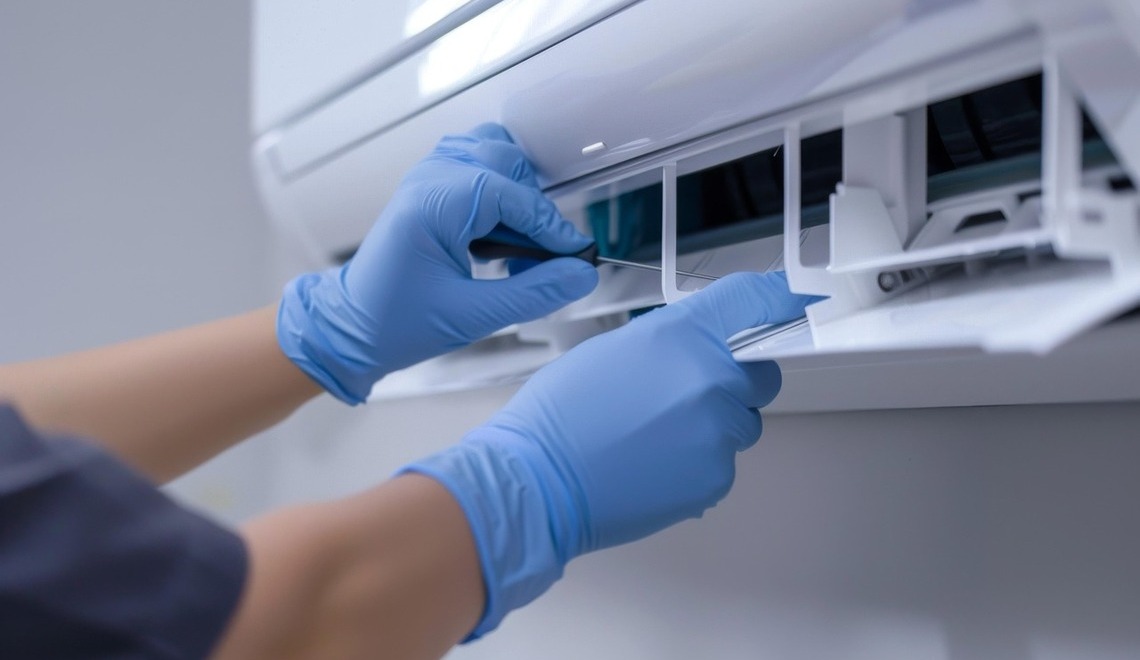
AC filter replacement is among the easiest (and most ignored) home maintenance jobs to perform, and can do wonders for keeping the house running smoothly. This only takes under 5 minutes, requires a few dollars, and is one of the most frequent reasons for costly air conditioning repairs.
This article provides information from expert AC unit replacement specialists to find the best kind of filter for your system and keep you comfortable all year long.
What Does an AC Filter Actually Do?
Your AC filter is the initial barrier to eliminate particles moving in the air throughout your home.
The function of the filter is to trap:
- Dust particles and dirt
- Pollens and mold spores
- Particles of pet hair
- Bacteria and fine dust particles
These elements can obstruct the functioning of the evaporator coils due to their accumulation on them and result in the overheating of the blower motor.
How Often Should You Replace an AC Filter?
82% of Americans forget to replace their air filters regularly. Though there is not a single formula regarding AC filter replacement frequency, there is some information that will prove helpful:
- Once every 30 days — if multiple pets, allergies, or someone in the home is asthmatic or sensitive to breathing issues
- Once every 60-90 days — single occupancy homes, or vacation homes used periodically
- During peak season, when your system is working long and hard during the summer, monthly.
Older houses or houses being renovated, or those in dusty areas, will certainly require more changes.

Understanding MERV Ratings Explained Simply
Numbers indicate the level of filtration; the higher the number, the finer the filtration.
The basic answer is:
- MERV 1–4 — basic fiberglass filters, which effectively remove large particle matter such as dust or debris, create minimal protection, and are affordable.
- MERV 5-8 – standard pleated filters; effective at removing mold spores, dust mites, and pet dander; most common filter style used in residential applications
- MERV 9–12 — higher efficiency filters; recommended for allergy sufferers; these filters can be expected to absorb fine particles such as some bacteria and smoke.
- MERV 13-16 — hospital-grade filtering; even smaller particles are captured, such as viruses; for medical use or in homes with very serious health issues
- MERV 17 – 20 – HEPA filters that are typical for sterile environments, not common for residential HVAC units.
Choosing the Right AC Filter for Your Home
When selecting air conditioner filter types, the following considerations should be taken into account:
- Specifications of your system
- Health needs of your family (MERV 10-12 if someone in your family suffers from allergy or/and asthma; MERV 8 filter suffices otherwise)
- Presence of any pets at home (if there are any, look out for filters that retain more particles of dander)
- Your budget (pleated MERV 8 filter is a very good value, while MERV 11-13 filter is more costly because it is thicker, but it is durable as long as you replace it on time)

How Dirty Filters Lead to Expensive AC Repairs
Less airflow results in the blower motor working much harder, using more energy, and hence experiencing accelerated wear. Frosting occurs because of the dropping temperature of the evaporator coils due to less airflow across the coils, making them freeze. This is a case of a compressor operating under abnormal circumstances.
Not only does a malfunction cause damage, but the filters are dirty enough to allow dirt particles to enter the machine and deposit themselves on several parts within the system.
Energy Efficiency and Cost Savings From Regular Filter Replacement
How often or regularly replacing filters can lead to energy savings and cost reduction. A clean filter not only keeps your system safe – it’s a money-saving filter every month.
Add those savings in repairs, and performing regular HVAC filter maintenance will pay off among the top investments you could make in your home.
When to Call an HVAC Professional
While changing your filters regularly can take care of much of the maintenance of your air conditioner or heater, it isn’t all the maintenance your machine requires.
Don’t neglect the HVAC professional if you observe:
- If ice has accumulated on the evaporator coils or on the lines.
- Peculiar sounds that follow a filter replacement.
- Excessively high energy costs.
- Indoor allergies that get worse.
System checks from companies such as IRBIS can spot developing problems before they turn into expensive repairs.
Wrapping Up
Air conditioning filter change is indeed a maintenance task with little effort but big results for any homeowner. The right care of the air conditioner filter types will ensure your equipment runs properly, improve the indoor air quality, decrease energy bills, and prevent expensive mechanical problems caused by such malfunctions.
Feature Image by Tung Lam
More to Love!
How Seasonal Air Conditioner Maintenance Reduces Energy Costs
Why Insulation and HVAC Must Be Planned Together