SUBSCRIBE


What Happens If I Don’t Warm My Baby’s Bottle? Safety, Feeding Comfort, and What to Expect
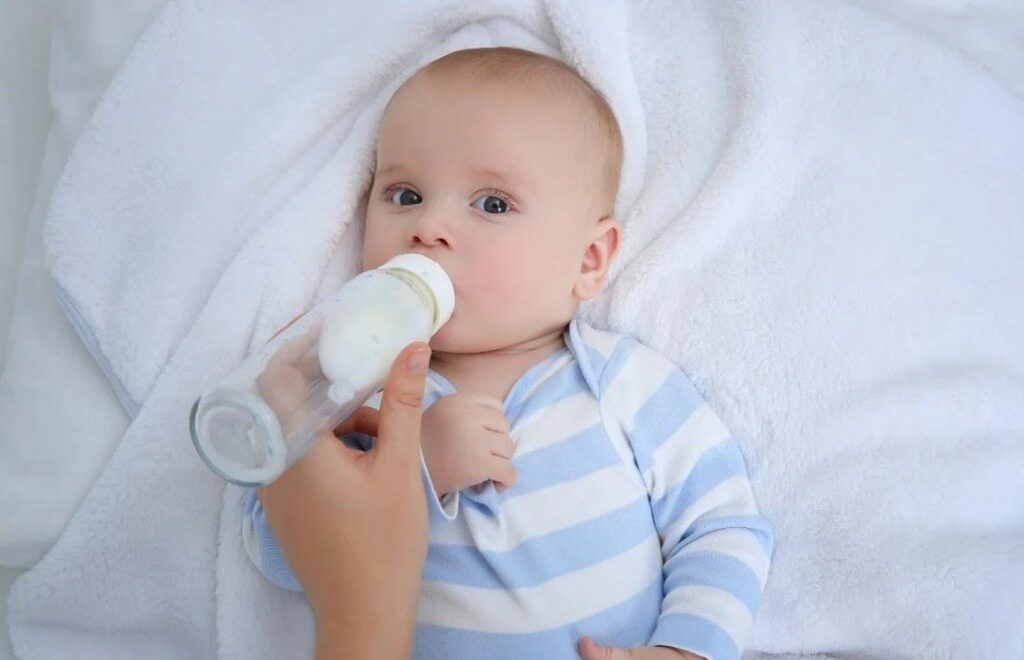
Many parents wonder whether warming a bottle is really necessary. Some babies drink warm milk happily, while others don’t seem to mind cooler milk. This often raises the question: what happens if I don’t warm my baby’s bottle?
Temperature can influence how comfortable your baby feels during feeding. Some infants prefer warm milk because it feels similar to freshly expressed breast milk. For parents who need a flexible way to manage feeding anytime or anywhere, tools like the Momcozy car bottle warmer can offer added convenience without making feeding complicated.
Below, you’ll learn how cold milk may affect newborn feeding, how babies react to unwarmed bottles, and when warming might actually help.
Baby’s Bottle Most babies can still drink the milk safely if you don’t warm your baby’s bottle. There is no need to warm breast milk or formula before feeding. In fact, lots of babies consume milk at room temperature or even directly from the refrigerator without health problems.
The main difference is comfort. Breast milk from the body is naturally warm, so some babies are used to that kind of temperature. As a result, some babies may be reluctant or take longer to drink the colder milk. Others may not notice the difference at all.
If your baby drinks calmly and finishes the bottle, the milk temperature is usually fine. However, if your baby becomes fussy or refuses the bottle, warming the milk slightly may help make feeding easier.
Effects of Cold Milk on Newborn Feeding
Cold or room-temperature milk is usually safe for healthy babies. Pediatric feeding guidance commonly states that babies can drink breast milk or formula straight from the refrigerator if they accept it. The main issue is comfort rather than safety.
However, newborns are still adjusting to feeding outside the womb. Because of this, milk temperature can influence how easily they feed.
Here are some possible effects of giving cold milk:
- Slower feeding: Some newborns pause more often when milk is cold.
- Mild stomach discomfort: Cold milk may occasionally cause brief tummy tightness for sensitive babies.
- Shorter feeding sessions: Babies who dislike cold milk might stop drinking sooner.
- More fussing during feeding: Some infants simply prefer warmth and may protest if the milk feels too cool.
Still, these reactions vary. Many babies drink cold milk without any problems at all.
Another thing to remember is that breast milk from the body is naturally warm. Because of this, some newborns expect a similar temperature when bottle feeding. Warming the bottle can make the experience feel more familiar.
How Babies React to Unwarmed Bottles
Babies have different feeding preferences. Some drink any bottle you offer, while others become picky about temperature.
If you give an unwarmed bottle, your baby may react in several ways.
- Some babies accept it immediately: These babies drink milk whether it is warm, room temperature, or chilled. Parents often find feeding easier with babies like this because warming bottles is not necessary.
- Some babies hesitate at first: They may pause, make a face, or suck more slowly. After a few moments, many of them continue feeding normally.
- Some babies refuse the bottle: A few infants strongly prefer warm milk. They may turn their head away, cry, or spit the bottle out if the milk is cold.
You might also notice that babies who breastfeed sometimes prefer warmer bottles. The warmth reminds them of natural breastfeeding.
Even so, preference can change over time. As babies grow, many become more flexible about milk temperature.

When Warming a Bottle Is Important
Although warming milk is not always required, there are certain times when it can help.
When your baby refuses cold milk
If your baby regularly rejects unwarmed bottles, warming the milk can make feeding smoother. A slightly warm bottle often encourages babies to drink more calmly.
When feeding a newborn
Newborns may adjust better to milk that feels closer to body temperature. During the first weeks, warming the bottle can support more comfortable feeding.
When milk has been refrigerated
Breast milk stored in the refrigerator is usually very cold. Warming it slightly can make the taste and feel more pleasant for some babies.
During night feeds
Late-night feeding can be stressful when your baby is crying. Having milk warmed quickly can help calm the situation and allow feeding to start sooner.
Parents who feed outside the home sometimes use a portable solution, such as the Momcozy car bottle warmer. A portable warmer lets you heat milk safely while traveling, driving, or spending time outdoors with your baby.
Safe Ways to Feed Without Warming
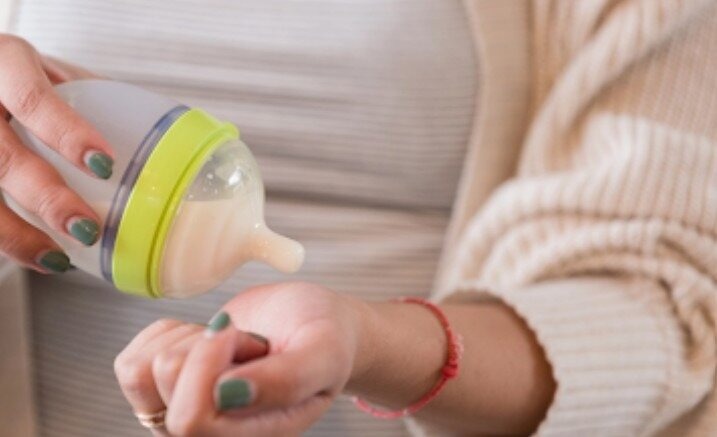
If your baby drinks milk comfortably without warming, feeding can become much simpler. You save time and avoid extra steps during busy days.
Still, it is important to handle milk safely. Here are safe ways to feed without warming:
- Use room-temperature formula: Freshly prepared formula at room temperature is safe to give immediately. Many babies accept it without any problem.
- Offer refrigerated milk directly. Breast milk stored in the fridge can be served cold if your baby drinks it comfortably.
- Check milk freshness. Whether warm or cold, milk should always be within safe storage times. Discard milk that has been sitting out too long.
- Test the bottle flow. Temperature is not the only factor affecting feeding. If milk flows too fast or too slow, babies may fuss during feeding.
- Watch your baby’s reaction. The most important guide is your baby. If they drink calmly and seem satisfied, the temperature is likely fine.
Feeding without warming can be especially helpful during travel, nighttime feeds, or quick feeding moments when time matters.
Tips for Feeding Comfortably Without a Warmer
Even if you skip warming bottles, you can still make feeding comfortable for your baby.
These simple tips can help:
- Let refrigerated milk sit briefly. Instead of heating the bottle, you can leave it at room temperature for a few minutes. This removes the chill without fully warming it.
- Hold the bottle during feeding. Holding the bottle instead of propping it helps keep milk moving smoothly. It also makes feeding feel more comforting for your baby.
- Keep your baby in an upright position. A slightly upright position can reduce swallowing air and make feeding easier.
- Watch feeding cues. Look for signs that your baby is hungry, such as sucking motions or hand-to-mouth movements. Feeding early often leads to calmer sessions.
- Try gradual temperature changes. If your baby dislikes cold milk, try slowly lowering the temperature over time. Start with warm milk, then offer it slightly cooler during later feeds.
- Keep a warming option for travel. Even if your baby usually accepts cooler milk, there may be moments when warmth helps. A portable option like the Momcozy car bottle warmer can make feeding easier when you are away from home.
Wrapping Up
In the end, the answer to what happens if I don’t warm my baby’s bottle? is usually simple. Most babies can safely drink breast milk or formula at room temperature or even cold from the refrigerator. The main difference is comfort. Some babies accept cooler milk easily, while others feel more relaxed when the milk is slightly warm.
Watch how your baby reacts during feeding and adjust if needed. If your baby prefers warmer milk, having a simple warming option can help, especially during travel or long car rides. A portable solution like the Momcozy car bottle warmer can make feeding easier when you are away from home while still keeping milk at a safe and comfortable temperature for your baby.
More to Love!
Baby Care Essentials: Must-Have Momcozy Solutions for Moms
Designing a Calm, Functional Nursery: A Guide to Thoughtful Baby Room Interiors