SUBSCRIBE


How to Pace Your First Triathlon Without Burning Out
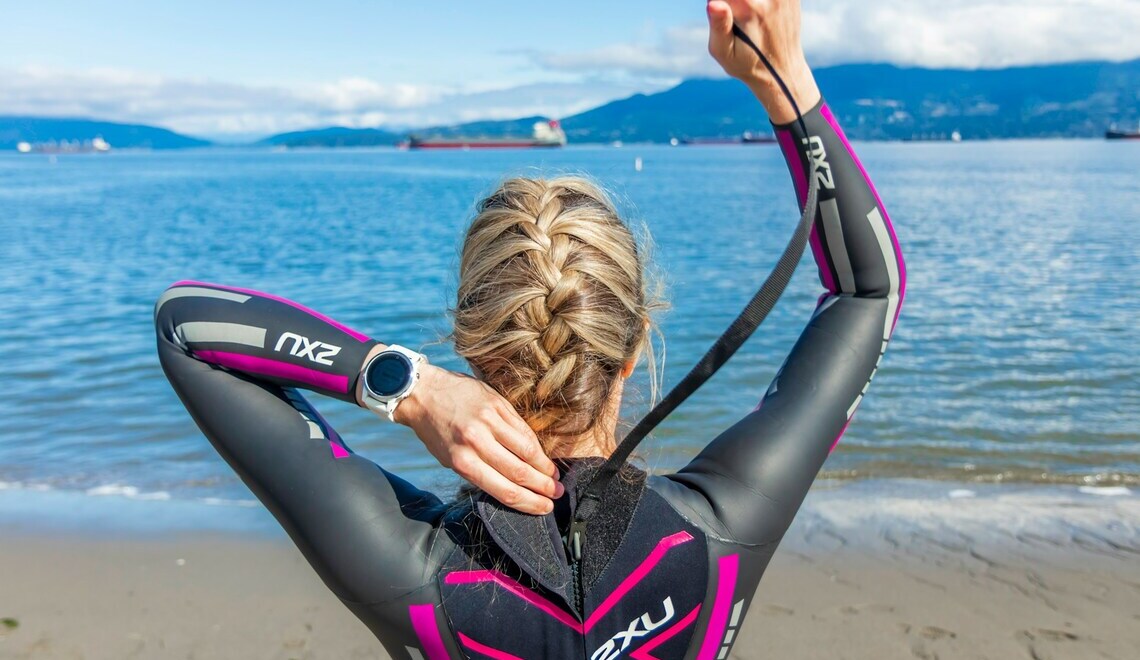
The biggest mistake at a first triathlon is not a slow swim or a clumsy transition. It is going out too hard, too early, and paying for it on the run.
Pacing is the skill that turns three sports into one continuous effort. A pacing plan is a simple set of target efforts for each leg, written down and rehearsed before the start. Tools like the Swim Bike Run pace calculator estimate split times for each segment. That way your plan rests on real numbers, not nerves. Here is how to build one that holds together to the finish.
Why Does Pacing Matter More Than Speed?
Pacing matters because a triathlon is an endurance event. It is not three sprints stapled together. Effort spent recklessly early does not vanish. It is borrowed against the run, with interest.
Most first-timers feel a surge of adrenaline at the swim start. They chase faster athletes off the line. That spike pushes the heart rate too high to sustain for an hour. Lactate then builds, and the run pace collapses.
A steadier opening keeps you in an aerobic effort. That is the gear you can hold for the full distance. The athletes who pass dozens of people late started conservatively and kept something in reserve.
How Should You Split Effort Across the Three Legs?
The classic beginner split is simple. Swim relaxed, ride at a controlled tempo, and save your best for the back half of the run. A sprint-distance triathlon is a 750-meter swim, a 20-kilometer bike, and a 5-kilometer run. Each leg rewards a different mindset.
- Swim at 70 percent effort. The swim is short, so a calm stroke costs only seconds while saving real energy.
- Build the bike gradually. Spend the first 5 minutes settling in. Then hold a tempo you could sustain for twice the distance.
- Hold back for the first kilometer of the run. Legs feel heavy off the bike. Let them adjust before you push.
- Negative-split the run. Run the second half faster than the first. That is the surest sign you paced the day well.
Consistent aerobic volume across all three disciplines underpins this. The federal physical activity guidelines recommend 150 to 300 minutes of moderate activity each week. That is a sensible floor for a first race.
What Are Realistic Split Times for a Beginner?
Realistic targets keep your plan honest. A first-timer at a sprint event typically finishes between 1 hour 30 minutes and 1 hour 50 minutes. The table below shows a middle-of-the-pack breakdown.
| Leg | Distance | Target Split | Rough Pace |
| Swim | 750 m | 16 min | 2:08 per 100 m |
| Bike | 20 km | 42 min | 28.5 km/h |
| Run | 5 km | 30 min | 6:00 per km |
Add roughly 3 minutes for the two transitions, landing a beginner near 1 hour 40 minutes.
These are starting points, not rules. Plug your own training data into a pace calculator. Adjust for hills and water temperature. Treat the result as a flexible plan.
How Do You Handle the Bike-to-Run Transition?
The bike-to-run transition is where pacing plans fall apart. Legs that felt strong on the pedals turn to concrete in the first minute of running. A brick workout is a session that pairs a bike ride with a run straight after. It teaches your body to handle that switch.
Coaching guidance on brick workouts is reassuring here. The heavy-legged feeling usually fades within the first 2 to 10 minutes of the run. Blood flow redistributes, and your stride normalizes. Knowing the discomfort is temporary stops you from panicking or overcorrecting.
Recovery matters as much as the sessions themselves. The principles behind a balanced self-care routine apply here too. Sleep, hydration, and steady nutrition let your body absorb the work.

What Should You Do In the Final Week?
The final week is for sharpening, not cramming. Sharp legs come from rest and short, crisp efforts. Long sessions now only leave you tired on the line.
- Cut training volume by 40 to 50 percent. Keep a few short race-pace efforts to stay sharp.
- Rehearse your transitions at home with your gear laid out as it will be in the bay.
- Test nothing new on race day, from goggles to gels. The start line is the worst place for surprises.
- Check the forecast and water temperature so you pick the right kit. The right polarized lenses help on a bright bike leg.
- Sleep well two nights before, since the pre-race night is often restless.
Pacing Rules Worth Remembering
- Start every leg slightly easier than feels natural. The run is where good pacing pays off.
- A sprint triathlon is 750 m swimming, 20 km cycling, and 5 km running.
- Use a pace calculator and your training splits to set numbers, not guesses.
- Practice the bike-to-run switch with brick workouts so heavy legs do not surprise you.
- Taper hard in the final week. Change nothing on race morning.
Putting Your Plan On Paper
A pacing plan only works if you can recall it under stress. Keep it to five or six lines you could repeat from memory. Write your three target splits and one cue per transition. Add a reminder to hold back early, then tape it to your bike stem.
The 90 minutes of a sprint move fast. A rehearsed plan carries you through the moments when adrenaline argues for going faster.
Frequently Asked Questions
How Far In Advance Should I Train for a First Triathlon?
Most coaches suggest 10 to 12 weeks of training for a sprint race if you have some base fitness. Beginners starting from scratch should allow closer to 16 weeks. That extra time builds comfort in all three disciplines.
Do I Need a Wetsuit for the Swim?
A wetsuit helps in water below roughly 22 degrees Celsius. It adds buoyancy and warmth, which make the swim easier. Many beginner events allow them. Still, check your race rules, since some warm-water events restrict them.
How Do I Avoid Going Out Too Fast?
Set a heart-rate or effort ceiling for the swim and the first 5 minutes of the bike. Hold it even as others pass you. Letting faster starters go is what leaves you energy for a strong, negative-split run.
What Should I Eat Before the Race?
Eat a familiar carbohydrate-based breakfast about 2 to 3 hours before the start. Oatmeal or toast with a banana works well. Avoid high-fiber or high-fat foods that morning. Sip water steadily rather than gulping a large amount.
More to Love!
What Types of Exercise Are Best for Women?
Private Sports Coaching for Busy Professionals