SUBSCRIBE


Apply AI-Driven Scene Detection Inside AI Movie Maker Editing Flow

Today, video production is changing with the capacity to segment video automatically and detect scenes. It saves a lot of time for manual sorting and speeds up the editing process. AI systems are employed to identify boundaries of natural scenes by looking at visual and motion changes. This functionality is utilized by platforms such as Pippit to streamline the process of creating movies. This frees up time for editors to focus on telling the story and not on dealing with raw footage. Intelligent automation also helps to improve the overall production efficiency, as well as the structure of the timeline.
What AI-Driven Scene Detection Does
The AI scene detection automatically detects where the shot ends, and another begins. It continually examines frames to determine visual and motion changes. Content Segmentation breaks up long videos to be segmented for easy editing. Change in color, lighting, and composition is tracked using visual change detection. The timeline organization is used to place the scenes discovered in structured sequences for smoother organization. This means a shorter time in manually sifting through big media libraries. It also facilitates scene labeling, so that the scenes can be quickly retrieved when editing. In sum, it improves the accuracy of recognizing narrative transitions and provides clarity in editing for content creators.
How Scene Detection Supports Efficient Editing
Scene detection helps to organize the footage into easily searchable scenes for editing. Without having to scan all timelines, editors can easily find the important moments. AI tagging also enhances the organization of media, especially in complex projects. Modern tools are now starting to make use of this functionality, including it with ad maker systems to enhance creative production speed and workflow automation.

- Quickly move through footage and jump to any scene
- Better material organization to provide a more effective project structure
- Saves time in manual review for quicker turnaround in editing
- Precisely choosing the exact locations of scene boundaries.
- Normal scene markers and cooperation on the same scenes
Core Technologies Behind Scene Detection
The scene detection is carried out using computer vision models trained on video frames to detect scenes in real time. Changes in objects, light, and spatial organization are recognized through visual pattern recognition. Color transition analysis detects color tone and brightness changes from frame to frame. The intensity of movement is detected from motion tracking as a criterion of possible scene change. A composition comparison compares the similarity of the frames to segment the composition. All these technologies work together to deliver accurate segmentation in a range of videos. In an AI movie maker system, Pippit harnesses these systems to streamline video editing, thereby enhancing both speed and accuracy. Machine learning also enhances accuracy by continually learning from a variety of data sets. This makes sure that the video performs consistently, both in the short-term and long-term.
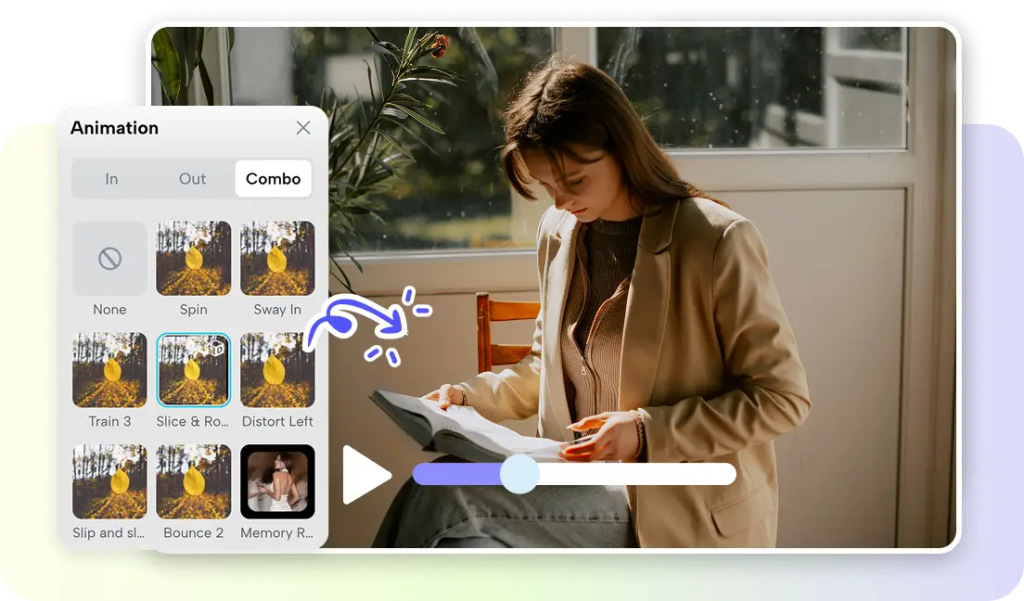
Steps to Apply AI-driven Scene Detection Inside the AI Movie Maker Editing Flow
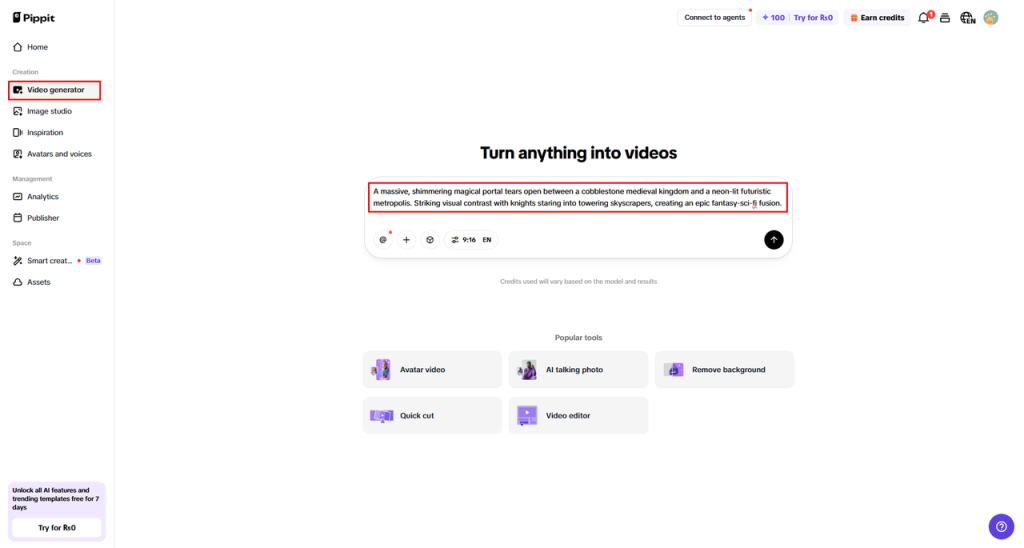
Step 1: Start the Video Generator with Structured Input
- Sign up for Pippit and open the home page.
- Click “Video” or go to “Video generator” from the left panel.
- Enter a structured prompt describing scenes, transitions, and narrative flow.
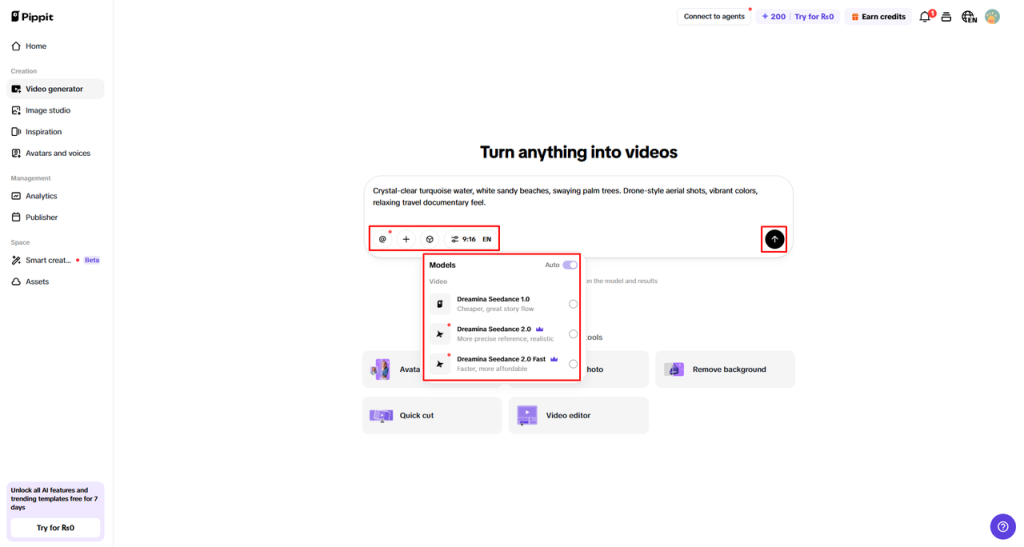
Step 2: Upload Content for Scene-based Processing
- Click “+” and upload your image, video, file, or link for analysis.
- Add reference material through “Upload a reference video” and select “Upload”.
- Choose Dreamina Seedance 1.0, Dreamina Seedance 2.0, or Dreamina Seedance 2.0 Fast.
- Set movie length, language, and aspect ratio settings.
- Click “Generate” to allow AI-based scene detection and structuring.

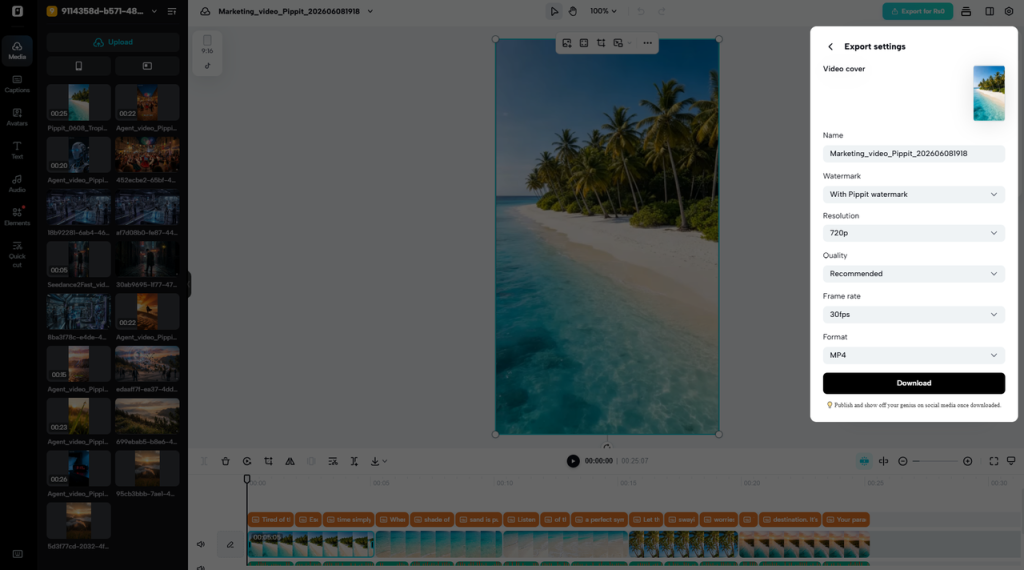
Step 3: Edit Detected Scenes and Export
- Preview segmented scenes by playing the output video.
- Click “Edit more” to refine scene breaks, timing, or transitions.

- Save your work using “Download” or publish via “Publish”.
How Scene Detection Improves Post-Production Workflows
Scene detection helps post-production as it makes it easier to manage raw footage. It shortens the time taken to find a particular part of a long recording. Automated Segmentation generates structured timelines for rapid and effective decision-making on editing. The editors are now able to do more precise and controlled transitions and sequences. It also increases the organization by clustering the scenes together logically. There are clear demarcations between scenes, which facilitates collaboration. The workflow can be used for small and large productions. Errors in revisions are minimized, and consistency is increased by using scene-based navigation. It optimizes the editing process as a whole, in terms of speed, accuracy, and structure.
Integrating Scene Detection with Other Editing Tools
The scene detection is integrated into several editing tools to form a seamless workflow. Use scene boundaries to improve the accuracy of the cropping tools. The success of stabilization features is greater within segments. Segmented frame analysis makes color correction quicker. To achieve consistent results in background editing, precise separation of the scene is crucial. Transition adjustments are more in line with the scene changes that are detected. Resolution optimization ensures the quality of output on platforms. These integrations simplify workflow and enhance creative flexibility. The editors have greater control over the final product and have a uniform appearance across formats.
Best Practices for Working with AI-Detected Scenes
Careful inspection of automated segmentation results is needed to use AI-detected scenes effectively. Scene breaks should be double-checked for storyline accuracy. Fine adjustments achieve smoothness between clips. Labeling helps navigation and project management to be consistent. Visual flow is a smooth change of scenes. Automation should not be a substitute for decision-making, it should help with creativity. The overdependence can lead to a disjointed storyline. Planned narrative structure and pacing are monitored regularly. Disciplined scene management practices help to organize workflows. These techniques improve the production efficiency and quality of storytelling.
Future Potential of AI-Powered Scene Analysis
AI-powered scene analysis is continually developing with intelligent scene recognition systems. Future tools will be better able to categorize content in various media. Better support when creating stories will enable more effective structuring of stories. The automated sequence suggestions should help get the scenes flowing. The improvement of workflows will help to save production time and improve the quality of production. More adaptive and intuitive editing environments will be created by machine learning. Systems will develop a sense of visual context and emotional tone in the video. Ongoing innovation will increase the capabilities in professional filmmaking. Scene analysis will be at the core of video production intelligent ecosystems.
Wrapping Up
The AI scene detection automates the segmentation of video footage, simplifying the video editing process. It increases speed, structure, and clarity of the narrative in production workflows. Intelligent systems save on manual work and enhance creative accuracy. Pippit offers automated analysis tools and structured editing to help with this process. Editors enjoy quicker and easier navigation and project organization. The incorporation of AI boosts efficiency and storytelling quality. There will be continuous improvements in order to make the editing easier and more intelligent. Scene detection is still an important bedrock of today’s video production workflows.
More to Love!
The End of Keyframes? How AI Animation Is Changing Motion Design
Transforming Your Photos with AI-Powered Sharpening