SUBSCRIBE


Designing a New Beginning: How Space Relocation Shapes Modern Hospitality
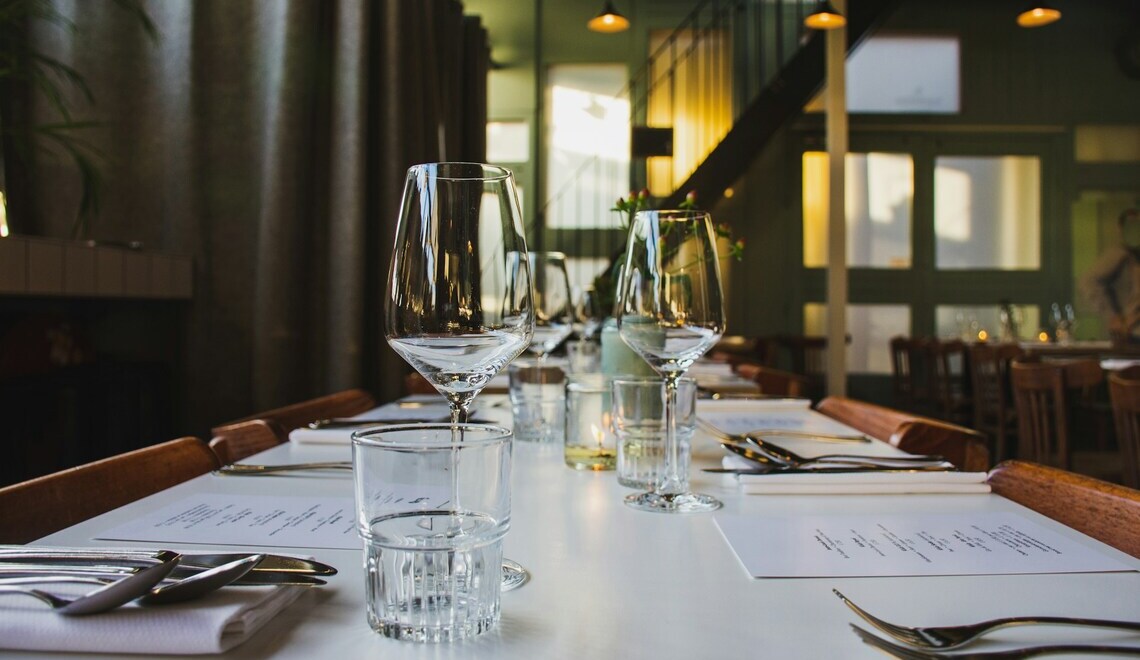
The restaurant opening today is no longer just a business project. For many women entrepreneurs, it is a way to express themselves through the space, atmosphere, and emotions that guests will feel. The modern hospitality industry increasingly values not only the quality of the cuisine, but also the impression the place creates.
In this process, every detail is important: light, texture, music, layout. All technical tasks can be entrusted to professionals. For transportation at any time, you can refer to the restaurant equipment movers, use expert services for installation and connection of equipment, and so on. But the key role is always left to the woman who creates the concept and sets the emotional tone of the whole space.
Woman as Creator of the Restaurant Concept
Women’s approach to restaurant space often begins with an image rather than a business plan. It can be a feeling, mood or even personal story that you want to turn into physical space. In such projects, not only function matters, but also emotional response.
That is why at the start, not a technical task is formed, but the conceptual basis of the future restaurant. It helps maintain the project’s integrity when work begins with design, planning, and implementation. Before moving on to physical implementation, key elements of the concept are defined, such as:
- Overall emotional mood of the space;
- Visual style and character of the interior;
- Guest behavior pattern within the space;
- Level of intimacy and openness of the space;
- Key brand idea, reflected in the atmosphere.
After these parameters are formed, the project begins to acquire a clearer structure. But it is important not to lose the initial feeling from which everything started. It becomes a kind of reference point for all subsequent decisions. At this stage, it is particularly important that the concept does not become a dry solution. Any detail must remain linked to the original idea.
When working with space begins, design solutions gradually begin to “come alive.” The first real volume appears, and the concept encounters the physical environment for the first time.

How Space Becomes a Part of Emotional Experience
When the restaurant moves from idea to implementation, the most sensitive part of the process begins. Here it is important not only to properly organize the technical side, but also to preserve the atmosphere that was laid out in the concept phase.
At this point, specialists responsible for logistics, equipment and installation are engaged. This allows you to relieve the owner and keep the focus on the main – creating guest experience.
The work during this period becomes multilayered because both technical and emotional tasks are simultaneously being solved. Space is gradually filled with functions, but it does not lose its “void” in which the future idea is seen. To ensure a smooth transition, it’s important to consider several key aspects of implementation:
- Precisely adapting equipment to the space’s architecture;
- Aligning technical solutions with the design concept;
- Configuring lighting as part of the emotional scenario;
- Thoughtful logistics of movement within the space;
- Testing the atmosphere before opening.
Once these elements work together, the restaurant ceases to be seen as a construction or project. It becomes a living space where every detail supports the common idea. It is at this moment that a sense of wholeness appears. The space starts “talking” with the guest before they have even tasted the food or sat at the table.
Feature Image by Ronan
More to Love!
Designing Romantic Restaurants That Feel Like Love Itself
A Taste of History: Restaurants in Calgary with a Unique Story