SUBSCRIBE


How Storm Restoration Helps Protect Your Home After Severe Weather
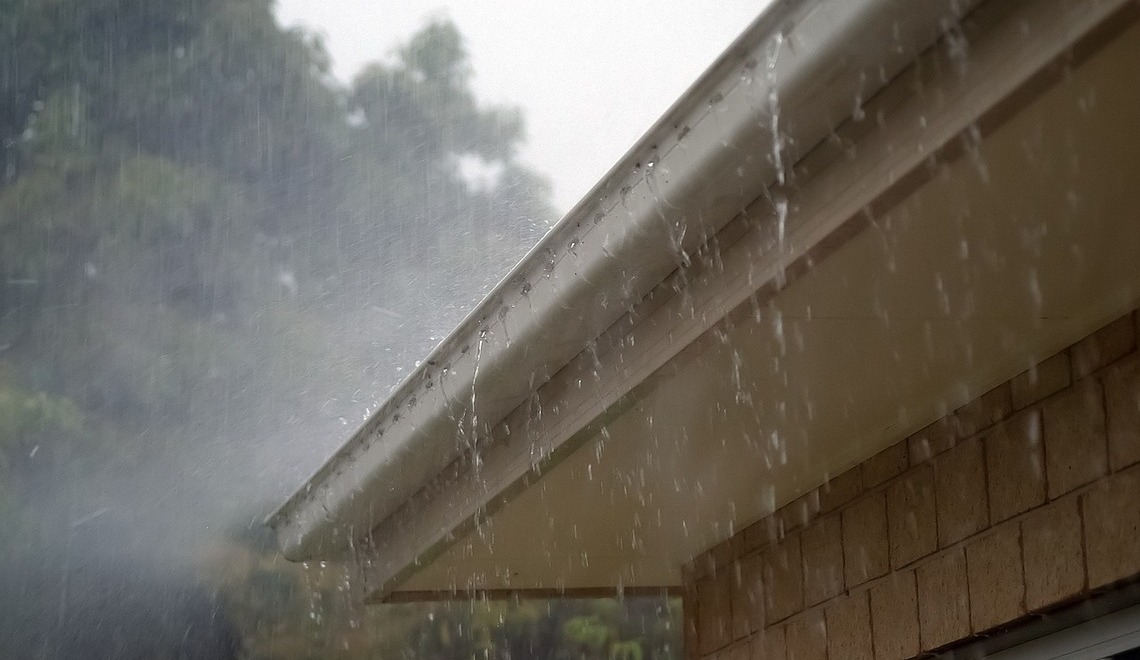
A severe storm often passes within minutes, yet the damage it leaves behind might affect your home for months. Hail strikes shingles. Strong winds loosen flashing. Heavy rain enters small openings in the roof. Some problems appear right away, while others stay hidden until water stains form on your ceiling.
Roof storm restoration addresses these problems before they spread. The process includes inspection, temporary protection, repairs, insurance documentation, and roof replacement when damage is extensive. Acting early protects your roof, interior, and household from higher repair costs.
How Severe Weather Damages a Residential Roof
Severe weather roof damage takes many forms. The type and extent of damage depend on wind speed, hail size, rainfall, roof age, and material condition.
After severe weather, schedule professional storm damage repair to identify affected areas and stop water intrusion. A trained roofer inspects the entire roofing system instead of focusing only on visible damage.
Hail Damage to Shingles and Roofing Materials
Hail often leaves dents, cracks, and dark impact marks on shingles. It also knocks away protective granules. These granules shield asphalt shingles from sunlight and moisture.
Granule loss shortens the life of a roof. Cracked shingles also allow rain to reach the underlayment. Prompt hail damage roof repair replaces affected materials before leaks reach the attic or ceiling.
Wind Damage and Missing Shingles
Strong winds lift shingle edges and break their adhesive seals. Some shingles curl, tear, or leave the roof completely. Wind also loosens flashing around chimneys, vents, valleys, and skylights.
Missing shingle repair closes exposed areas before the next rainfall. Wind damage roof repair also restores loose flashing and other components that keep water outside your home.
Water Intrusion and Roof Leaks
A roof leak after a storm often starts through a small opening. Water then travels along the roof decking, beams, insulation, and drywall. The visible ceiling stain might appear far from the original entry point.
Early water damage prevention protects insulation, wood framing, ceilings, walls, and electrical fixtures. It also lowers the risk of mold growth and wood decay.
Signs of Storm Damage on a Roof
Some roof damage looks obvious from the ground. Other problems require a detailed inspection.
Common exterior signs include missing shingles, curled edges, damaged flashing, dented gutters, fallen branches, and roofing granules near downspouts. Inside your home, look for ceiling stains, peeling paint, damp insulation, musty odors, or water near light fixtures.
Stay off a wet or damaged roof. Loose materials and weakened decking create serious safety risks. Photograph visible damage from a safe location and contact a roofing professional.
Why a Post-Storm Roof Inspection Matters
A post-storm roof inspection identifies damage that homeowners often miss. Shingles might look intact from the ground even when hail has cracked their surface. Wind might also break the seal beneath a shingle without removing it.
During a storm-damaged roof inspection, the roofer checks shingles, flashing, vents, gutters, valleys, roof decking, underlayment, and attic spaces. This roof damage assessment shows which areas need repair and whether the structure remains sound.
The inspector should document each affected area with photographs, measurements, and written findings. This record supports repair planning and roofing insurance claims.
What Happens During the Roof Storm Restoration Process?
The storm restoration process starts with damage control and ends with a safe, weather-resistant roof. The exact steps depend on the roof condition and the type of storm.

Emergency Protection
Emergency roof restoration focuses first on exposed areas. Roofers often install emergency roof tarping over missing shingles, punctures, or damaged decking. They also secure loose materials and clear debris that blocks drainage.
These temporary measures help prevent further roof damage. They do not replace permanent repairs, but they reduce water intrusion while inspections, estimates, and insurance reviews take place.
Repairing Damaged Roofing Components
Roof repair after severe weather often includes replacing shingles, sealing leaks, repairing flashing, restoring vents, or fixing gutters. Professional storm damage repair also addresses damage around chimneys, skylights, and roof valleys.
For homeowners who need a new roof or want to assess an existing system, a contractor experienced in roof installation in Georgetown, TX, should inspect the roof structure, drainage, ventilation, and material needs before work begins.
Deciding Between Repair and Replacement
Localized damage often requires targeted repairs. Widespread damage often requires roof replacement after storm damage.
The roofer should consider the roof’s age, the number of affected sections, structural damage, and the expected life of existing materials. A clear estimate should explain the recommended work, material options, timeline, and warranty terms.
How Roof Storm Restoration Protects Your Home
Roof restoration after a storm does more than fix visible damage. It restores the protective system that shields your home from rain, heat, wind, and debris.
Residential storm restoration helps prevent moisture from reaching insulation and framing. It also restores proper drainage and ventilation. These improvements support indoor comfort and reduce strain on heating and cooling systems.
Home storm damage restoration also protects property value. Buyers often look for signs of leaks, damaged shingles, and poor repairs. A documented restoration project shows that a qualified professional addressed the damage.
Roofing Insurance Claims After a Storm
Contact your insurance provider soon after you find storm damage. Review your policy and ask about deadlines, deductibles, inspection requirements, and covered repairs.
Take photographs of visible damage before temporary work begins. Keep receipts for emergency roof tarping and other protective services. Ask the roofing contractor for a written estimate and a detailed inspection report.
Storm damage insurance assistance from a roofing contractor often includes photographs, measurements, repair estimates, and supplemental documents. The insurance provider still decides which items qualify for coverage.
If the contractor finds hidden damage after removing roofing materials, the contractor should document it and submit an insurance supplement. Clear records help the insurer review added repair costs.
Choosing a Roofing Contractor for Storm Damage
Choose a roofing contractor for storm damage with a local business address, active insurance, manufacturer certifications, references, and clear warranty terms. Ask for a written scope of work before signing an agreement.
A contractor familiar with Central Texas storm damage understands how hail, wind, heat, and heavy rain affect local roofing systems. Experience with Texas storm restoration services also helps the contractor plan repairs that follow local codes and suit regional weather conditions.
For Georgetown, TX storm restoration, homeowners can turn to Red Oak Roofworks and Restoration for roof inspections, temporary protection, repairs, replacement services, and insurance documentation. Working with a local contractor also provides easier access to warranty support and follow-up services after the project.
Avoid vague estimates, unclear payment terms, and high-pressure sales tactics. Review the listed materials, warranties, payment schedule, and project timeline before work starts.
What to Do After Severe Weather
Start by checking your household for injuries and immediate safety risks. Stay away from fallen power lines and unstable trees.
Inspect your property from the ground. Look for missing shingles, damaged gutters, loose flashing, fallen branches, and debris. Check ceilings, walls, and attic spaces for moisture.
Take photographs and write down the date of the storm. Place a container under active leaks and move valuables away from wet areas. Do not complete major repairs before your insurer or contractor documents the damage.
Contact a local roofer for a post-storm roof inspection. Share the inspection results with your insurance provider and keep copies of all estimates, invoices, photographs, and claim documents.
Why Is Timely Roof Storm Restoration Important?
Roof storm restoration protects your home by finding hidden damage, stopping leaks, restoring damaged materials, and supporting insurance documentation. Fast action also reduces the risk that a small roof problem will spread into the attic, walls, and living areas.
After severe weather, inspect your home from a safe location and document visible damage. Then schedule a professional roof assessment. A timely response protects your roof, limits added repair costs, and prepares your home for the next storm.
Feature Image by sandid
More to Love!
How Poor Drainage Around Your Home Can Lead to Costly Structural Damage
Does West Palm Beach Flood?