SUBSCRIBE


What Industrial Flooring Contractors Recommend for Heavy-Duty Texas Operations
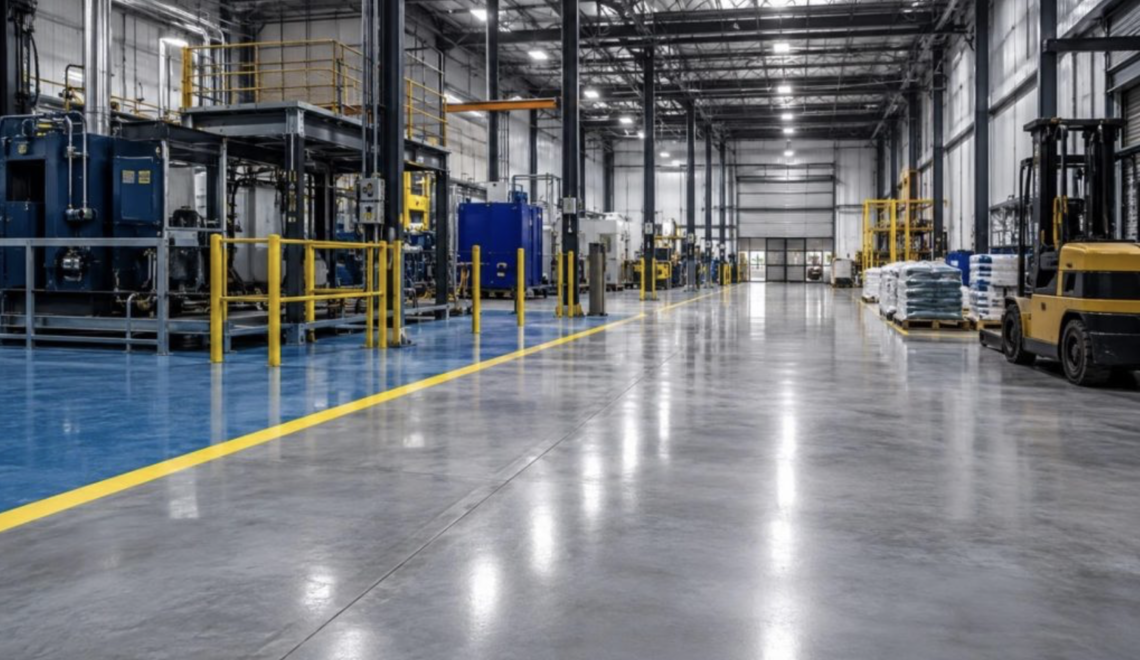
Industrial flooring in Texas takes a heavy beating each day. Forklifts running all day, steel equipment rolling across the surface, chemical exposure, long shifts, and then the heat on top of it all. Not every flooring system is built to handle that level of pressure for years. That’s usually where contractor experience becomes the difference between a floor that lasts and one that starts breaking down early.
Most industrial flooring contractors don’t treat this like a design factor. It’s about performance. How the facility runs, what kind of work happens inside, and how intense the operations are is what shapes the recommendation. This blog breaks down how those decisions are made and what tends to work best in Texas conditions.
What Industrial Flooring Contractors Look at Before Recommending Flooring
Industrial flooring is never a random pick. Contractors study how the facility runs day-to-day before pointing to any system. One wrong match can quickly shorten the life of a floor, no matter how strong the material looks up front.
What Happens Inside the Facility
The first thing reviewed is daily activity. Forklifts, machinery, storage movement, or chemical handling all change what the flooring needs to handle. A distribution warehouse doesn’t stress a floor the same way a fabrication shop or processing plant does.
Weight Moving Across the Floor
Load matters more than most realize. Contractors look at how much weight is regularly placed on the surface, not just occasional spikes. Equipment, pallets, and stacked materials all add constant pressure. If the flooring isn’t built for it, cracks and surface wear show up early.
Chemicals and Spills
Many Texas industrial sites handle oils, cleaning agents, or other harsh chemicals. That changes recommendations right away. Some flooring systems break down over time under exposure, while others are built to resist damage and hold their surface strength.
Heat and Building Conditions
Texas heat plays a real role in performance. Temperature swings and humidity inside a facility can affect how flooring expands, bonds, or holds up over the long term. Some systems stay stable under stress, while others start to shift or weaken.
Maintenance Expectations
Contractors also look at how much upkeep a business can realistically manage. Some systems need periodic attention; others require only basic cleaning. The goal is to match the flooring to how much downtime a facility can afford.
Flooring Options That Handle Real Industrial Wear
Industrial flooring in Texas isn’t about appearance. It must survive constant movement, heavy equipment, spills, and long working hours without breaking down too early. Contractors tend to rely on a few proven systems that consistently perform under pressure.
Epoxy flooring is widely used in warehouses and manufacturing areas because it creates a sealed, durable surface that withstands chemicals, spills, and heavy foot and machine traffic. It also helps reduce dust buildup, which is important in controlled environments.
Polished concrete is often chosen for facilities where strength and long service life matter most. It can handle heavy loads, forklifts, and constant movement while maintaining relatively low maintenance needs compared to coated systems.
Urethane cement is used in tougher environments where heat, moisture, or frequent washdowns are part of daily operations. It performs well under thermal shock and stays stable even in demanding processing or food-related facilities.
Heavy-duty vinyl systems are common in support zones or secondary work areas where quick installation and easy replacement matter. While not as rugged as concrete-based systems, they still offer solid durability for moderate industrial use.
Quartz-reinforced epoxy is often selected in areas where slip resistance is just as important as strength. The added texture improves grip in wet or active conditions, making it useful in zones with constant movement or a risk of spills.

Mistakes That Lead to Costly Flooring Repairs
Industrial floors in Texas take a beating every day. Heavy machinery, nonstop movement, heat, spills, and long operating hours all add up. Contractors see the same problems repeat across facilities, and most of them trace back to decisions made before installation even begins.
Picking Material Based on Price Alone
Going with the lowest upfront cost is one of the most common mistakes. Some systems look fine early on but fail under real industrial conditions.
What looks like savings at the start often turns into repair cycles, surface breakdown, or early replacement costs that far exceed the original budget.
Skipping Proper Surface Prep
Surface prep gets overlooked more than it should. If the base layer isn’t cleaned, leveled, and treated correctly, even strong flooring systems won’t bond properly.
Contractors often say most early failures start here. Once separation begins, repairs become expensive and disruptive.
Ignoring Load Requirements
Every facility puts different pressure on flooring. Warehouses, production plants, and fabrication areas all behave differently.
When load levels are underestimated, flooring can crack, shift, or wear unevenly. That leads to downtime most Texas operations can’t afford.
Poor Drainage Planning
Facilities handling liquids, undergoing cleaning cycles, or exposed to outdoor conditions need proper drainage from the start. Without it, water pooling becomes a recurring issue.
Standing moisture slowly degrades flooring systems and poses safety risks that affect daily movement.
Weak Maintenance Approach After Installation
A strong flooring system still needs attention over time. A common mistake is treating installation as the final step.
Small issues like surface wear or coating breakdown can grow quickly if ignored. Regular checks and quick fixes help extend floor life and reduce long-term costs.
Across Texas, industrial flooring contractors tend to agree on one thing. Most flooring failures don’t come from the material itself. They come from how the floor is planned, installed, and maintained over time.
Wrapping Up
Industrial flooring in Texas is not something you can afford to treat casually. Between heavy equipment, constant movement, chemicals, and harsh working conditions, every decision made before installation shows up later in performance. The right system can hold strong for years, while the wrong one starts costing time and money sooner than expected.
That is where experienced construction support makes a real difference. At Arrant Construction, we work with businesses that need flooring solutions built around real demand, not guesswork. From planning through installation, the focus stays on long-term durability and practical performance in tough environments.
Call Arrant Construction today and get flooring built for real Texas conditions.
FAQs
What type of industrial flooring works best for heavy equipment in Texas?
Polished concrete and epoxy systems are often used because they handle constant pressure from forklifts, machinery, and stored materials without breaking down quickly.
How do contractors decide which flooring to recommend?
They look at daily activity inside the facility, weight loads, chemical exposure, temperature conditions, and how much maintenance the business can realistically manage.
Is epoxy flooring good for industrial facilities?
Yes, epoxy is widely used in warehouses and manufacturing sites because it creates a sealed surface that resists chemicals, spills, and everyday wear.
Why does surface preparation matter so much in flooring installation?
If the base surface is not properly cleaned and prepared, even strong flooring systems can fail early due to poor bonding and surface separation.
How often does industrial flooring need maintenance?
It depends on the material, but most systems benefit from regular inspections and quick repairs to prevent small issues from turning into costly damage.
More to Love!
Color, Gloss, and Texture: Customizing Epoxy Flooring for Interior Design
Polished Concrete Floors in Modern Buildings: a Structural and Aesthetic Choice