SUBSCRIBE


The Art of Creating Cohesion Through Interior Transitions
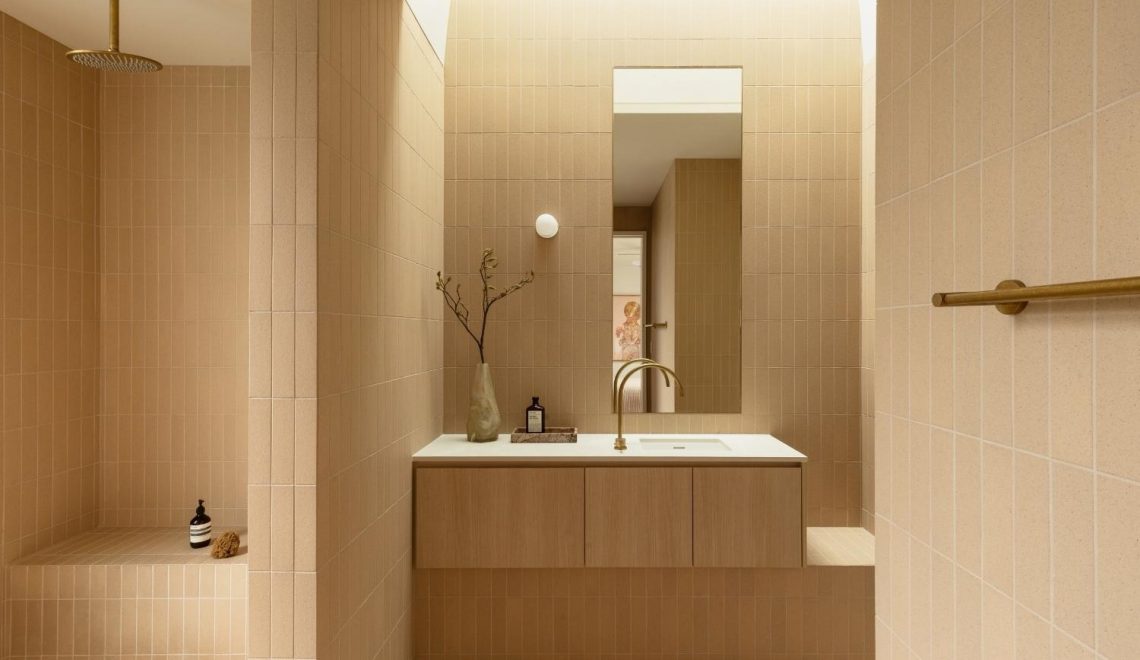
There is a quality that separates a home from a collection of rooms. It is difficult to name precisely, but unmistakable when experienced, a sense that every threshold crossed, every door opened, every corridor traversed belongs to the same quietly considered world. Not a world built around a single statement piece or a curated feature wall, but one shaped by something more patient and more deliberate: the repetition of materials, the consistency of finishes, and the careful attention to the spaces in between.
Today’s most compelling interiors are being designed holistically rather than room by room. Architects and designers are increasingly shifting their focus from individual spaces to the connective tissue between them; the hallways, thresholds, and transitional moments that shape how a home is experienced as a whole. In doing so, they are discovering something that has long been understood in architecture but rarely articulated in interior design: continuity is its own form of luxury.
Why Transitions Define a Home
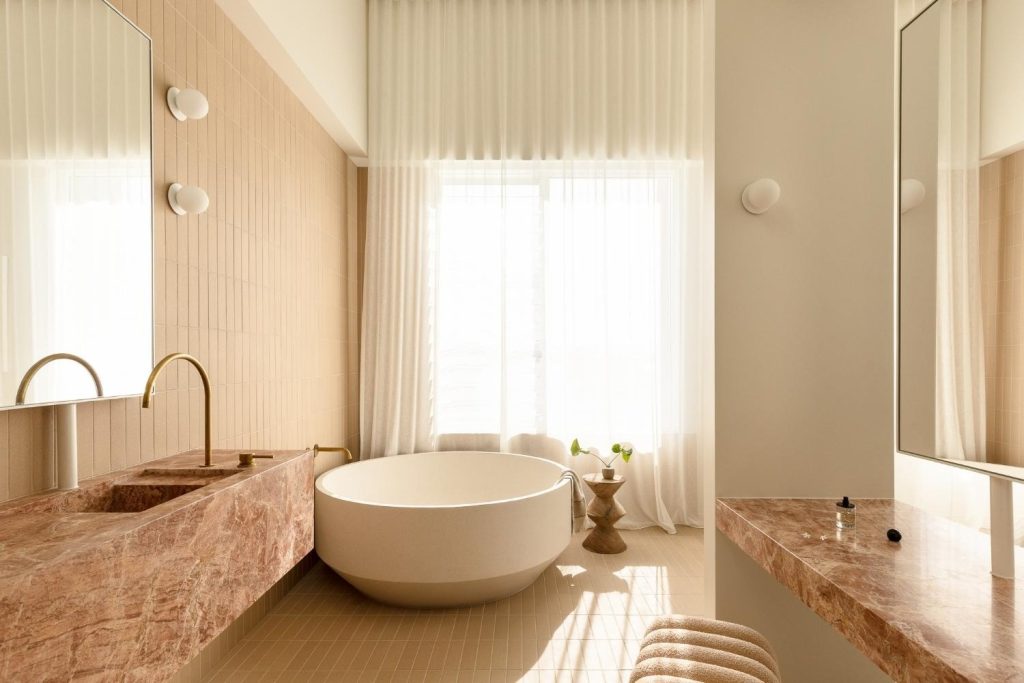
The threshold has always carried meaning. The moment of crossing from one space into another is an experience that registers before the mind has time to analyse it. A shift in light, a change in texture underfoot, a new quality of sound. In the most resolved interiors, that shift feels seamless. In less considered ones, it creates a subtle dissonance that undermines the whole.
Open-plan living has intensified this awareness. As walls have come down and spaces have merged, the need for visual continuity has only grown stronger. Without clear architectural divisions to mark the boundary between rooms, there is greater emphasis on the materials doing the work. They must speak to one another and create rhythm.
When they do, the effect is profound. Rooms feel larger, spaces feel calmer, and the home begins to feel like a single, sustained idea that gradually reveals itself as you move through it.
Material Repetition as a Design Language
The most effective way to create this continuity is through the careful carrying of materials, tones, and finishes from one space to the next. The goal is not uniformity but cohesion. The distinction matters: uniformity can feel flat, while subtle echoes create rhythm, depth, and a sense of flow throughout the home.
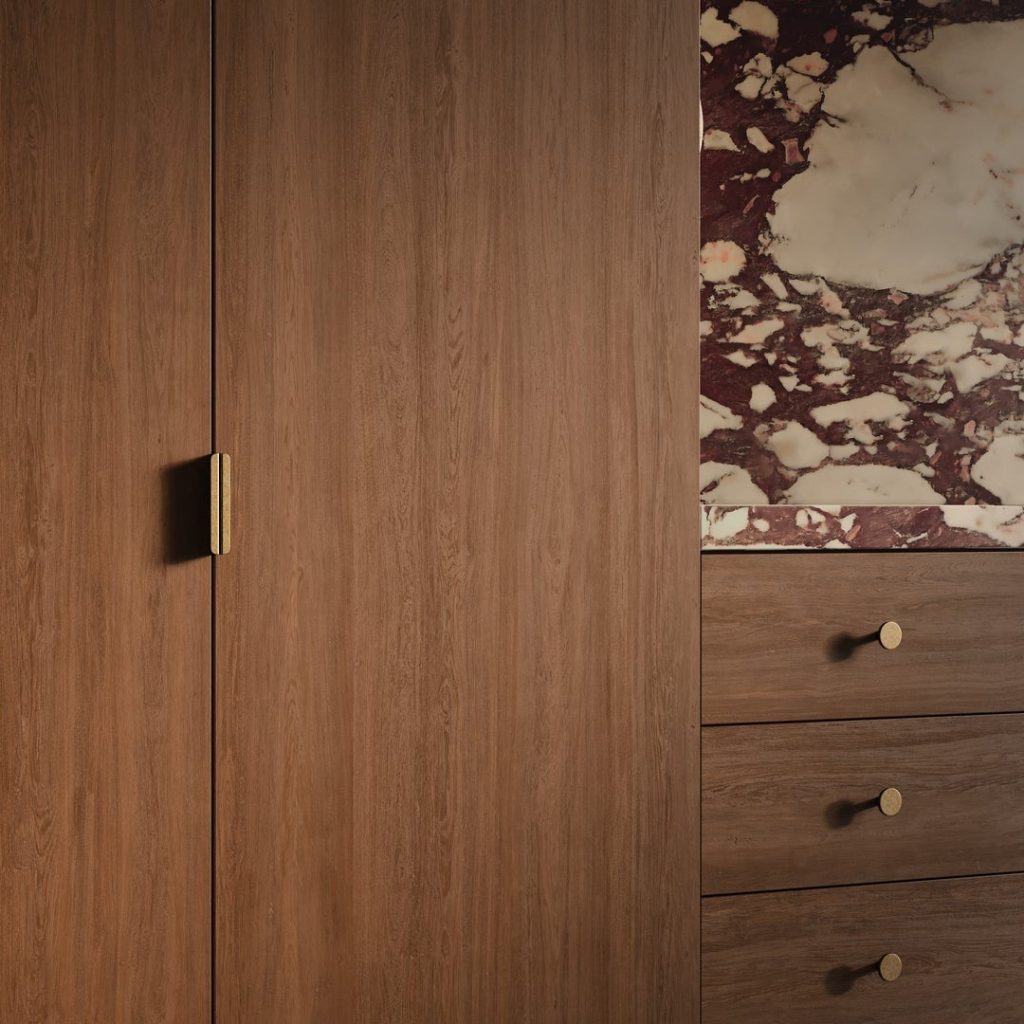
Stone tones carried from a kitchen benchtop to a bathroom floor. Timber grain echoed through joinery, furniture, and cabinetry across multiple rooms. Curved forms resurfacing in mirrors, lighting, and the profiles of handles and hardware. These quiet continuities lend a home its sense of cohesion, creating a design language that unfolds naturally from one space to the next.
Within this language, cabinetry hardware has evolved from purely functional detailing into one of the most expressive elements of material continuity. Repeated across kitchens, bathrooms, wardrobes, and custom joinery, a considered hardware selection creates a thread that runs through the entire home, connecting spaces that might otherwise feel unrelated.
Antique brass cabinet handles have emerged as a particularly resonant choice within interiors that prioritise warmth and materiality. Against walnut joinery, travertine surfaces, and textured stone finishes, the softly aged tone of antique brass adds depth and warmth that more uniform metallic finishes cannot match. It feels collected rather than curated, and its lived-in qualities contribute character.
The Return of Warm Metals
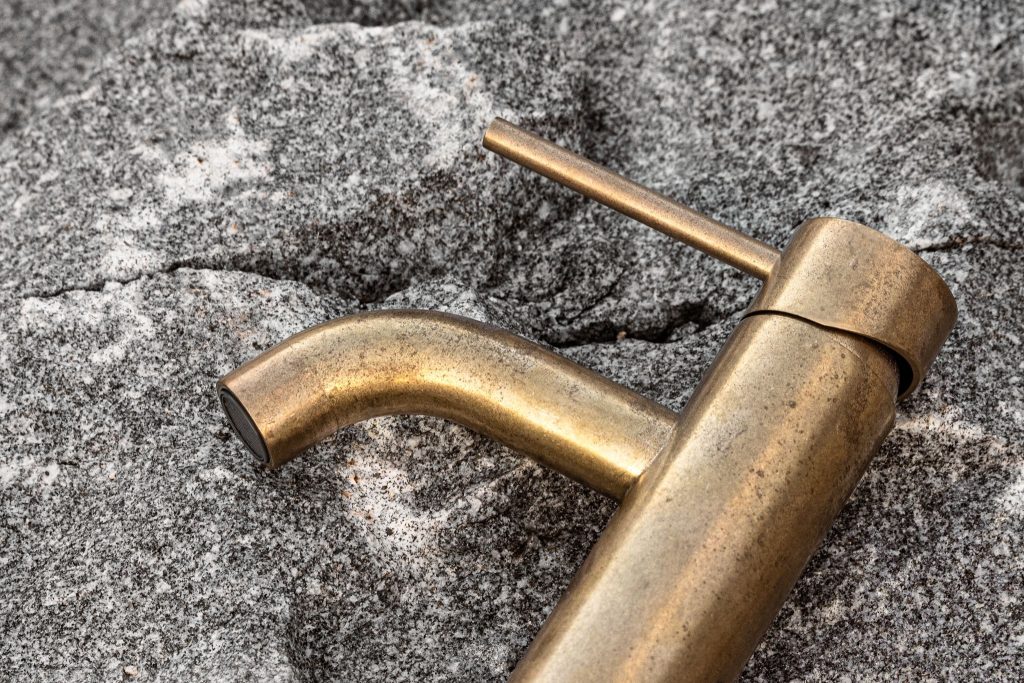
The shift away from cooler chrome finishes and stark matte black accents has been gradual but unmistakable. Across European and Mediterranean interiors and in the homes that draw inspiration from them, warmer, aged metallic tones are reasserting themselves as the defining hardware language of contemporary luxury.
Antique brass occupies a particular place within this movement. Unlike polished brass, which can feel formal and attention-seeking, or brushed gold, which sits closer to trend than to tradition, antique brass carries the quality of something discovered rather than designed. Its softly patinated surface absorbs light rather than reflecting it, adding warmth to a space while ageing well. It pairs naturally with the organic materials that define the most enduring contemporary interiors: stone, timber, plaster, and linen. This is the broader movement antique brass belongs to: a turn away from the overtly polished and toward the quietly layered. Toward homes that feel accumulated over time rather than assembled at once. Toward interiors that reward attention rather than demanding it.

How Architectural Hardware Shapes Cohesion
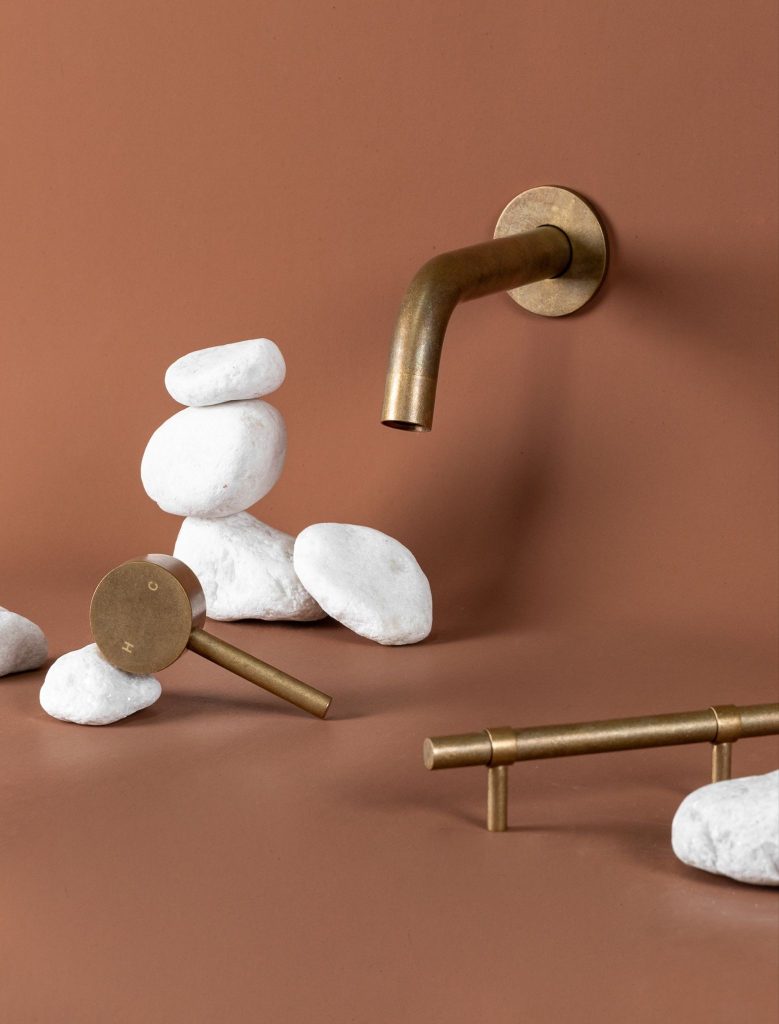
Of all the elements repeated throughout a home, few are experienced as consistently as door hardware. Handles, pulls, and fittings accompany every transition from one space to the next. They are among the most tactile details in a home, yet they are often overlooked when considering how a design language is carried throughout an interior.
However, designers are increasingly understanding that repeated hardware finishes create visual rhythm throughout the home, contributing to a sense of cohesion that extends beyond any single room. In this context, the doorway becomes part of the design language itself rather than a break in it.
Antique brass door handles complement softly layered interiors with the same understated quality it brings to cabinetry. In a hallway connecting a warm stone kitchen to a timber-clad study, or at the threshold between a muted plaster corridor and a travertine-lined bathroom, the consistency of the finish creates a subtle thread of continuity. The result is a home that feels less like a collection of individual rooms and more like a single, coherent experience.
The Refinement of Everyday Functionality
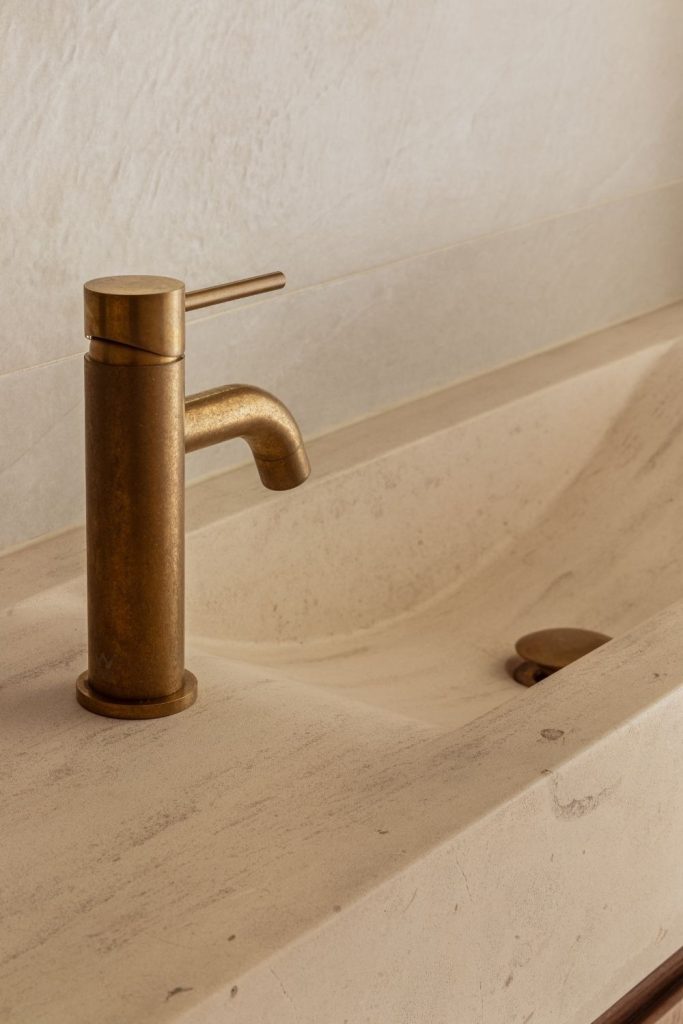
Contemporary luxury has always found its most convincing expression not in the grand gesture but in the quality of attention paid to the ordinary. The most refined interiors are those where nothing has been overlooked but where even the elements most easily dismissed as purely functional have been drawn into the broader material conversation.
Bathrooms offer the clearest example of this evolution. A decade ago, the finish of a floor drain was not a design decision. Today, in bathrooms where travertine tiles, coloured tapware, and warm timber vanities are held in careful dialogue, the visible details of drainage and waste fittings have become part of the architectural language of the space. To leave them unaddressed is to introduce a note of visual inconsistency into an otherwise considered composition.
Antique brass wastes represent the kind of detail that distinguishes an interior designed with genuine holistic intention from one that has attended only to the obvious. Against warm stone floors or aged timber surfaces, an antique brass floor waste feels as though it belongs, quietly reinforcing the material language of the space. It is through details such as these that an interior comes to feel fully resolved, where every element contributes to a coherent whole, from the grandest gesture to the smallest consideration.
Designing Homes That Feel Connected
The most memorable interiors are the ones that remain with you and reveal themselves slowly, which feel equally considered in every corner, creating a sense of immersion rather than spectacle.
It is through continuity that a home develops a sense of calm, and through the careful carrying of materials, finishes, and details that it acquires rhythm and depth. Warm, aged materials contribute an emotional richness that no statement piece can replicate, while the hardware, thresholds, and transitions repeated throughout a home help determine whether a space feels merely assembled or genuinely resolved.
The art of interior cohesion is, ultimately, the art of sustained attention. It lies not only in the design of individual rooms, but in the relationships between them; in the materials, details, and subtle continuities that carry a design language from one space to the next. By treating thresholds as opportunities rather than interruptions, a home acquires a sense of rhythm and completeness, with each room contributing to a story that feels coherent, considered, and whole.
More to Love!
The Poetry of Light: Styling Luxury Interiors with Crystal Art Glass
American Hardwood for Luxury Home Interiors