SUBSCRIBE


How a Curated Design Showroom Helps You See the Full Picture
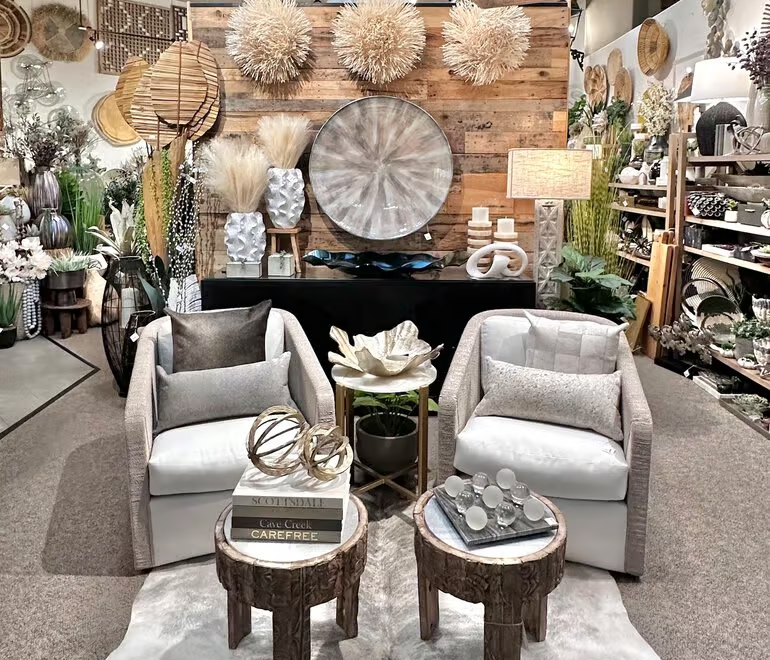
Planning a home often starts with confidence, then slips once finishes, scale, and light begin affecting every choice. A curated showroom closes that gap by turning ideas into visible relationships. People can judge proportion, surface character, and comfort before placing a costly order. That direct view matters because interiors succeed through balance among many different parts, not through a single striking piece viewed in isolation.
More Than Samples
Mood boards, swatches, and saved images help start a plan, yet they rarely show how furnishings look together in real space. Inside an interior design showroom, seating, case goods, rugs, lighting, and art are arranged thoughtfully, giving visitors a clear understanding of visual weight, finish temperature, and material contrast. A polished table may feel severe beside stone, while woven fabric can soften the whole composition.
Scale Becomes Clear
Measurements give an idea of width and depth, but numbers cannot show how a sofa will look sitting beside a cocktail table or tall cabinet. That judgment happens faster in person. A chair that seems trim online may crowd a grouping once seen at full size. One careful look often prevents a purchase that would force awkward circulation or compress usable floor area.
Light Changes Everything
Color never stays fixed throughout the day. Morning exposure, shaded corners, and evening lamps all shift how wood, lacquer, stone, and metal register to the eye. Showrooms reveal those changes in a practical setting. Pale oak can turn golden, marble may read flat, and brass often loses glare under softer ambient conditions. Experiencing that range firsthand protects your project from expensive surprises later.
For architectural elements, seeing full-size door and window options in person clarifies sightlines, daylighting, and energy performance across rooms. Bay Area readers can explore a door and window showroom in Berkeley to compare glass types, frame materials, and hardware in context, then carry those decisions confidently into the rest of the scheme.
Texture Builds Depth
Strong interiors rely on tactile contrast as much as color. A curated display makes that lesson easy to grasp because the hand confirms what the eye suspects. Nubby upholstery beside smooth leather creates warmth. Glazed ceramic near matte plaster adds quiet tension. Those pairings affect mood, helping a room feel calm, grounded, crisp, or layered without visual clutter.
Quality Shows Up Fast
Construction tells the truth quickly once a piece gets examined at arm’s length. Drawers reveal their hardware, cushions show density, and joinery exposes whether corners were built with care. Veneer thickness, finish depth, and fabric recovery become easier to assess without a camera, filtering out flaws. That inspection supports better value judgments because comfort, maintenance, and service life all depend on materials and assembly.

Rooms Need Coordination
Very few rooms that are successfully designed depend on one dramatic object. Most work because line, tone, scale, and finish stay in conversation from one piece to the next. A showroom makes that coordination visible at once. Visitors can compare silhouettes, hardware, upholstery weight, and rug patterns within a shared setting. That wider read helps prevent mismatched selections made weeks apart under different assumptions.
Custom Choices Gain Context
Custom work sounds appealing, yet bespoke decisions still need a reliable frame of reference. Floor models, finish samples, and styled vignettes provide that frame. A client can judge whether a curved arm feels graceful or overly soft for the scheme. A darker stain may add richness or introduce visual heaviness. Those side-by-side comparisons sharpen approval before fabrication begins.
Function Meets Lifestyle
Beautiful rooms must support everyday use. Showrooms help test that practical side without reducing design quality to a checklist. Seat depth, table clearance, storage reach, and fabric durability become easier to understand through direct contact. Families with children, pet owners, and frequent hosts often benefit most. The strongest selections handle traffic, spills, and daily wear while keeping visual order intact.
Better Timing, Fewer Revisions
Clearer decisions also protect the schedule. When furnishings, finishes, and accents are chosen with conviction, fewer revisions interrupt purchasing, delivery, or installation. That matters during renovation work, where a delayed response can slow down several later steps. A showroom supports momentum by reducing uncertainty before orders stack up. Better alignment early usually means fewer substitutions, less rework, and a steadier path to completion.
Wrapping Up
A curated showroom offers more than just access to products. It provides a way to judge how scale, light, texture, quality, and function work together before commitments become expensive. That fuller view leads to stronger custom choices, cleaner coordination, and fewer revisions during implementation. Interiors tend to feel more settled when decisions are tested in context first, where the whole composition can finally be seen clearly.
Feature Image by CeTerra
More to Love!
Tips for Displaying Your Artwork
How to Make Your Own Necklace Display Stand at Home