SUBSCRIBE


Aluminum Pergolas and the New Language of Luxury Outdoor Living
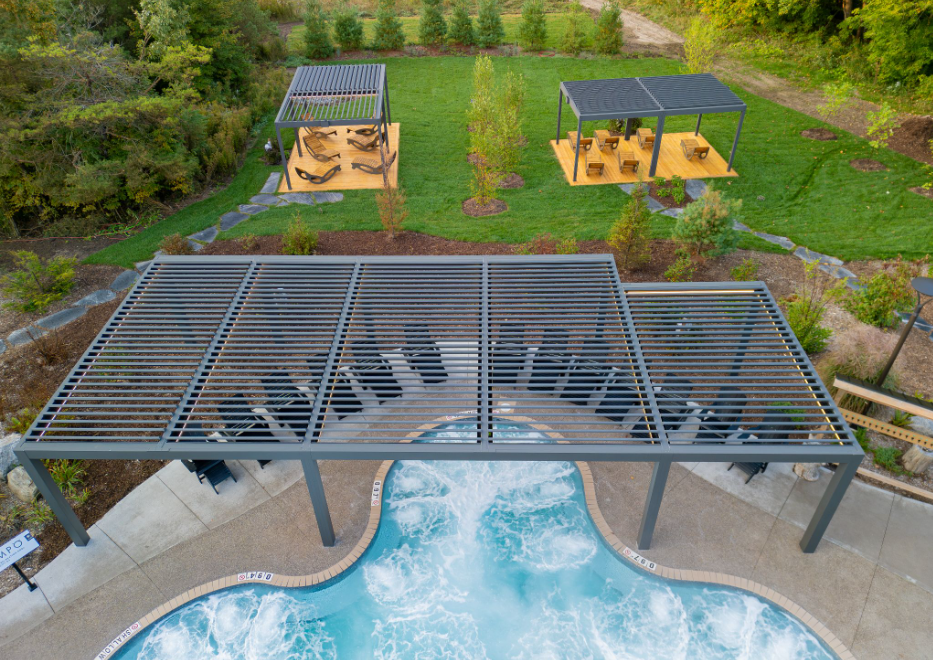
Luxury outdoor spaces are planned with the same requirements as interior rooms. Terraces, pool areas, and dining spaces need shade, lighting, weather protection, and functional layouts. Outdoor living is now treated as part of residential architecture rather than a separate landscape thing feature.
Luxury Has Moved Outdoors
Outdoor areas are expected to support daily use. Dining, seating, entertaining, and relaxation require defined and protected space.
In this context, aluminum pergolas have become a common architectural solution. They create covered outdoor areas with permanent structural definition. Unlike umbrellas, fabric awnings, or temporary covers, they provide long-term weather protection and space organization. Outdoor rooms are increasingly planned during the design phase of a home rather than added later.
Why Aluminum Fits Contemporary Luxury Design
Material selection affects durability, maintenance, and structural performance. Aluminum is widely used because it is corrosion-resistant, lightweight, and durable. It does not require staining, sealing, or repainting. Powder-coated finishes improve surface durability and long-term appearance retention.
Key advantages include:
- corrosion resistance;
- low maintenance requirements;
- structural stability;
- compatibility with automation systems;
- clean architectural appearance;
- long service life.
These characteristics support residential, estate, and waterfront applications.
Quiet Luxury: Less Ornament, More Precision
Today’s luxury design emphasizes execution rather than decoration; it feels less showy but more precise. Pergola systems are going that way too, with slim load-bearing profiles, concealed drainage systems, lighting built in, motorized louvers, and finishes that look basically uniform. Instead of tacking on extra parts later, the practical components get woven into the structure itself.
Adjustable louvers regulate shade and airflow. The hidden drainage takes care of rainwater without visible gutters or downspouts. Integrated lighting also avoids the whole need for external fixtures, creating a cleaner architectural appearance. The result is greater functionality with fewer visible elements.
Designing for Poolside Lounges, Terraces, and Outdoor Dining
Pergolas define functional outdoor zones. Poolside areas benefit from controlled shade. Dining terraces gain weather protection. Lounge spaces receive overhead coverage. Urban terraces use pergolas to organize limited outdoor space. Large residential properties often combine multiple covered zones for dining, seating, and entertaining. Defined coverage improves furniture placement, circulation, and space planning. The structure supports function before decoration.
North American Performance Behind the Look
Luxury design must perform under regional climate conditions. Northern markets require snow-load capacity, moisture resistance, and freeze-thaw durability. Coastal areas more or less demand corrosion resistance along with wind performance, and then Southern climates lean toward UV resistance, heat management, and effective drainage systems. Products like the all-season pergola from Hansø are built with exactly this range of conditions in mind, so the same structure can hold up to a heavy snow load in one region and relentless UV exposure in another. That kind of year-round reliability is becoming less of a bonus feature and more of a baseline expectation.
Material quality, engineering standards, structural capacity, and drainage systems directly affect long-term performance.
Premium outdoor structures have to satisfy both architectural expectations and those environmental requirements across varying climate conditions.
Smart Features That Feel Effortless
Automation is increasingly integrated into outdoor structures. Motorized louvers adjust sunlight and ventilation. Rain sensors automate roof operation. Wind sensors protect the system during adverse conditions. Integrated lighting extends evening use. Screens improve privacy and environmental control.
These features improve usability without changing the visual simplicity of the structure. Technology supports function rather than becoming a design feature.
The Best Outdoor Rooms Feel Designed, Not Added On
A luxury pergola is no longer a standalone backyard feature. It has become part of the property ‘s architectural system, like it belongs there. Instead of standing out, it now blends with everything around it.
Pergolas provide shade, weather protection, while also integrating automation, lighting integration, and a way to organize space inside one consistent structure. When you align them with the house, they form that continuity between the indoor areas and outdoor living spaces.
And the market keeps drifting away from purely decorative outdoor products toward engineered architectural solutions. Aluminum pergolas show that shift well, because they last longer, perform better, and integrate with the overall architecture in a clean, deliberate manner.
More to Love!
How Recycled Composites Are Redefining the Luxury Indoor-Outdoor Flow
The Most Stylish Ways to Create a Nice-Looking Outdoor Space