SUBSCRIBE


Luxury Wellness Travel Is Becoming the New Personalised Beauty Ritual
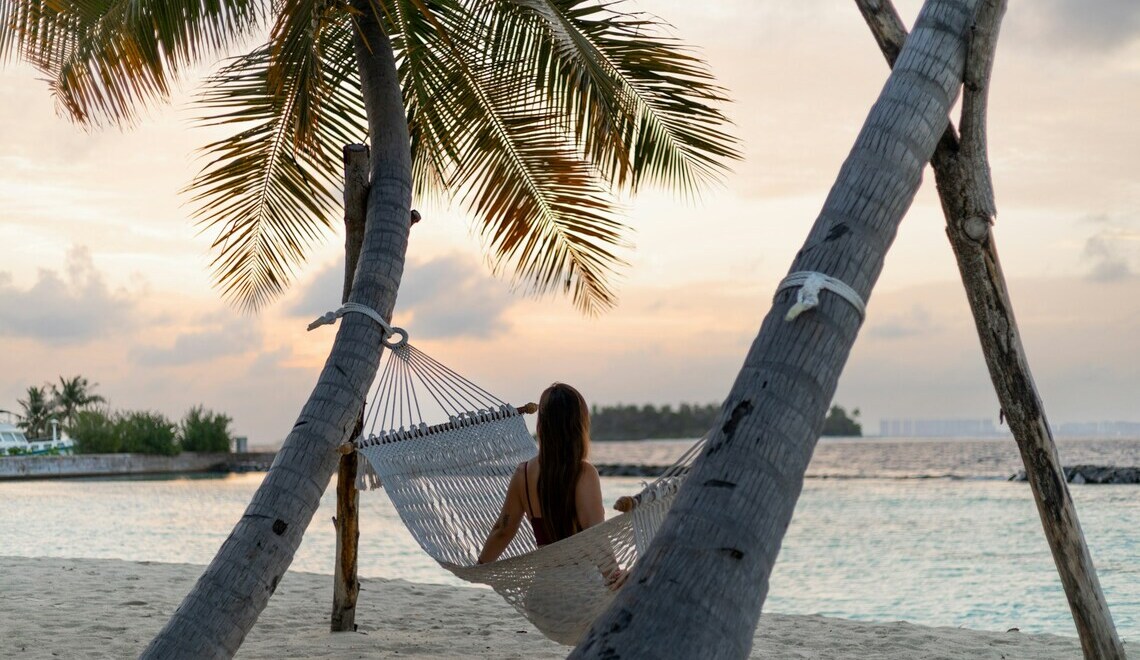
Luxury travel used to be measured in thread counts, ocean views, tasting menus and the rarity of the address. Those pleasures still matter. But in 2026, the most compelling form of luxury is becoming more intimate: a journey designed not simply to impress, but to restore, refine and quietly transform.
This is why wellness travel has moved far beyond the spa weekend. The new beauty retreat is not only about a facial before dinner or a massage between excursions. It is a highly considered experience where sleep, nutrition, movement, skin health, hair health, privacy, medical expertise and emotional ease are curated together. The destination is still beautiful, of course. But the real luxury is leaving with a body and mind that feel better attended to.
For women who live between work, family, social expectation and constant digital visibility, this shift feels particularly timely. Beauty is no longer treated as a surface project. It is being folded into a larger conversation about energy, confidence, longevity and self-possession.
The New Luxury Is Personal, Not Performative
There was a time when luxury wellness announced itself loudly. The robe, the treatment menu, the marble bathroom, the candlelit massage room. Today, the most sophisticated experiences often feel quieter. They are less interested in theatrical indulgence and more focused on precision.
A guest may arrive wanting better sleep, brighter skin, healthier hair, improved posture, lower stress or simply a week in which no one needs anything from her. A thoughtful retreat does not hand every guest the same programme. It asks better questions. How does she sleep? What does travel do to her skin? Does she need recovery, stimulation, solitude or structure? Is she chasing a glow, or is she really asking to feel like herself again?
That is the difference between a luxury package and a luxury ritual. A package provides services. A ritual creates meaning around them.
Wellness Travel Is Growing Because Beauty Has Changed
The beauty industry has become more health-aware, and wellness has become more aesthetic. Consumers now understand that skin, hair, mood, hormones, sleep, nutrition and stress do not exist in separate compartments. A tired body eventually shows up on the face. Chronic stress can affect hair, skin and posture. Poor sleep can undo the most expensive serum.
The broader market reflects this shift. The Global Wellness Institute’s 2026 wellness tourism trends highlight themes such as urban recovery travel, nervous system resets, longevity travel, privacy and AI-designed wellness experiences. Those trends point to a more discerning traveller: one who wants beauty to be supported by evidence, environment and long-term care.
In this world, beauty travel is not escapism. It is strategy. A woman might plan a retreat around rest after burnout, skin recovery after a demanding season, movement after months at a desk, or a medical consultation she has been postponing. The journey becomes a container for decisions that are difficult to make in ordinary life.
Design Matters More Than Ever
For a luxury audience, the environment is not incidental. Design shapes the nervous system before the first treatment begins. A room that feels calm, private and beautifully proportioned can help the body understand that it is safe to slow down. A harshly lit clinic, even if technically excellent, can make a beauty journey feel transactional.
This is why the best wellness destinations borrow from hospitality, architecture and medicine at once. They understand that a guest may want clinical credibility without clinical coldness. She may want the confidence of a medical setting and the softness of a private retreat. She may need instructions, but she also wants dignity.
Materials, lighting, scent, sound and flow all matter. So does discretion. A well-designed wellness trip protects privacy at every stage: consultation, arrival, recovery, dining, transfers and aftercare. Luxury is not only what is visible. Often, it is what is gracefully hidden.
Beauty Retreats Are Becoming More Evidence-Led
The most important change in beauty travel is the move away from vague promises. Words like detox, anti-ageing, renewal and transformation can sound seductive, but luxury consumers are becoming more sceptical. They want to understand what a treatment can realistically do, how long results may take and what kind of maintenance is required.
That does not remove romance from the experience. It makes the romance more intelligent. A facial can still feel indulgent, but it should not claim to reverse time. A nutrition plan can feel inspiring, but it should not promise miracles. A hair or skin treatment can support confidence, but it should come with honest expectations.
The future belongs to beauty experiences that respect the client enough to be precise. That means proper consultation, qualified professionals, clear contraindications, tailored recommendations and aftercare that continues once the guest returns home.

Hair Health Has Entered the Luxury Conversation
Hair has always been part of beauty, but it is now being discussed with more seriousness. The modern luxury client is no longer interested only in shine, colour or styling. She is thinking about scalp health, density, breakage, hormonal change, postpartum shedding, stress-related hair loss and the long-term quality of the hair she wants to keep.
This is why scalp rituals, trichology consultations, restorative masks, low-damage colour services and hair-focused wellness programmes have become more visible. A beautiful blowout lasts a few days. A healthier scalp and more thoughtful hair routine can change how someone feels for months.
For some travellers, the conversation may become medical rather than cosmetic. Someone researching a DHI hair transplant in Turkey, for example, is not simply comparing destinations. She should be asking about suitability, donor area planning, medical supervision, technique, recovery, realistic density and follow-up. In luxury beauty travel, the most elegant decision is often the most carefully informed one.
The key is not to treat hair restoration as a trend. It is a personal medical choice. For the right candidate, under the right supervision, it may form part of a larger confidence journey. For someone else, the better path may be diagnosis, medical treatment, styling changes, scalp care or simply time.
The Rise of the Discreet Beauty Itinerary
One of the most interesting developments is the discreet beauty itinerary: a trip that blends restorative travel with treatments or consultations, without making the entire journey feel clinical.
A guest might spend the first day settling into a hotel, walking the neighbourhood and adjusting to the time zone. The second day could include a consultation or treatment. The following days focus on recovery, nourishing meals, quiet cultural experiences, gentle movement and privacy. The return home is planned around rest rather than rushing straight into work.
This kind of itinerary requires maturity. It does not pretend that a medical or aesthetic procedure is the same as a spa appointment. It designs the trip around the body’s needs. It also respects the emotional dimension. People rarely make beauty decisions because of appearance alone. They often make them because appearance has become tied to identity, visibility, ageing, confidence or a life transition.
Privacy Is the Most Underrated Luxury
In the age of constant sharing, privacy has become a form of elegance. Not every journey needs to be photographed. Not every treatment needs to become content. Not every transformation needs an audience.
For wellness and beauty travel, privacy matters on several levels. There is physical privacy: quiet entrances, discreet transfers, private consultation rooms and recovery spaces. There is digital privacy: careful communication, secure records and respectful follow-up. There is social privacy: the freedom to make choices without explaining them to friends, colleagues or followers.
The best luxury providers understand this. They do not pressure a guest to publicise her experience. They do not turn recovery into marketing. They allow the client to decide how visible the journey becomes. That restraint is part of trust.
How to Choose a Beauty-Wellness Trip Wisely
A beautiful destination is not enough. Before booking, the first question should be: what outcome am I seeking? Rest, skin improvement, hair health, weight management, emotional recovery, medical advice and aesthetic treatment are different goals. They require different providers and different standards of care.
Second, check credentials. Who is delivering the treatment? What training do they have? Is there medical oversight where needed? Are the claims realistic? Are risks explained clearly? Does the provider say no when a treatment is not suitable?
Third, examine the aftercare. A luxury experience should not end at checkout. If a treatment has a recovery period, the provider should explain what happens after the guest goes home. Are there scheduled check-ins? Written instructions? A point of contact? Guidance on travel timing, sun exposure, exercise, medication or follow-up photos?
Finally, notice the tone. The best providers make you feel informed, not pressured. They do not rush you into a deposit with fear or urgency. They give you time to think, ask questions and compare. True luxury is never frantic.
The Emotional Side of Self-Investment
Beauty travel often sits at the intersection of pleasure and vulnerability. It can be joyful to choose care, but it can also expose insecurities. A woman may feel excited, embarrassed, hopeful and cautious at the same time. That complexity deserves respect.
Self-investment should not be framed as a requirement to become acceptable. It is not a moral duty to improve your face, body or hair. The healthiest form of beauty travel begins with agency. I am choosing this because it supports how I want to feel, not because I am failing as I am.
That distinction changes everything. A treatment chosen from panic can feel like surrender. A treatment chosen from clarity can feel like authorship. The service may be the same, but the emotional experience is entirely different.
What Luxury Wellness Will Look Like Next
The next chapter of luxury wellness will be more integrated. Hotels will partner with credible clinicians, nutritionists, movement specialists, sleep experts, dermatologists, hair specialists and mental wellbeing practitioners. Beauty brands will become more personalised. Retreats will offer deeper diagnostic tools, but the best will balance data with human intuition.
At the same time, guests will expect more subtlety. They will want treatments that fit their lives, not lifestyles that revolve around treatments. They will want visible care without obvious intervention, privacy without coldness, science without sterile language and indulgence without waste.
The winners will be the destinations and providers that understand luxury as an ecosystem: beauty, health, design, discretion, expertise and emotional intelligence working together.
The Bottom Line
Luxury wellness travel is becoming the new personalised beauty ritual because it answers a modern desire: to be cared for in a way that feels intelligent, beautiful and deeply individual.
The best trips will not be the ones that promise instant transformation. They will be the ones that create space for informed choices, genuine restoration and elegant self-possession. In a world that asks women to be endlessly visible, the rarest luxury may be a journey that allows them to return to themselves in private.
More to Love!
How to Choose the Perfect Nutrition Plan on Your Luxury Travels
The Best Destinations in Italy for Luxury Wellness Getaways