SUBSCRIBE


Anti-Aging Trends 2026: What’s Really Coming Next in Aesthetic Medicine
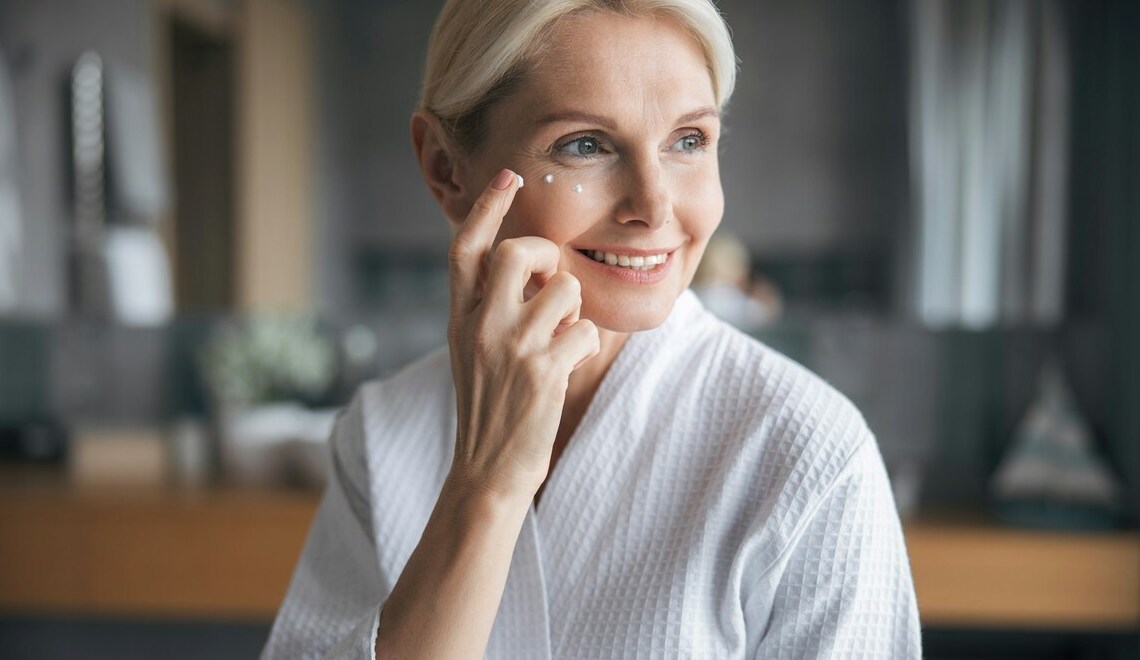
The anti-aging playbook has been rewritten. In 2026, the focus has shifted from quick cosmetic fixes to a full-spectrum longevity approach that blends aesthetic medicine, regenerative science, personalized diagnostics, and lifestyle. Here’s what patients and providers actually need to know.
Key Takeaways
- Anti-aging in 2026 is a longevity mindset — prevention and “prejuvenation” over reactive correction.
- Regenerative treatments (biostimulators, collagen-inducing devices, peptides) are growing fast alongside classic tools: botulinum toxin, dermal fillers, and lasers.
- Korean botulinum toxin brands — Innotox, Botulax, Nabota — are gaining global attention as patients compare them with American Botox and other FDA-approved neuromodulators.
- Personalization and safety are non-negotiable: no DIY injections, more data-driven diagnostics, tailored plans across skincare, nutrition, and aesthetics.
- Market context: the global anti-aging market is estimated in the tens of billions of dollars and rising, driven by younger patients adopting preventive care and the merging of beauty and wellness.
The New Face of Anti-Aging
Anti-aging in 2026 is no longer about wrinkle creams or a single procedure — it spans skin health, body composition, metabolic function, and mental well-being. Clients from their 20s to their 60s want to slow biological aging and keep a natural appearance rather than an overdone, frozen look.
Four pillars define the approach:
- Prevention: SPF, antioxidants, barrier repair
- Correction: neuromodulators, fillers, targeted muscle relaxation
- Regeneration: biostimulators, energy devices
- Internal support: nutrition, supplements, lifestyle
Skin Longevity and “Skinification”
Skin longevity means treating skin as a long-term investment. Routines now prioritize barrier integrity over aggressive exfoliation, and consumers judge products by clinical data and long-term tolerance rather than instant (but harsh) results.
Skincare-grade ingredients are spreading into hair care and makeup — “skinification.” Foundations add SPF and antioxidants; hair serums carry scalp peptides; body lotions borrow face-grade actives (ceramides, niacinamide, retinoids). Many people start preventive skincare in their 20s–30s, and daily SPF 30+ is now routine.
Microbiome balance and barrier repair are central: ceramide-rich formulas restore a compromised barrier, and smarter delivery systems improve efficacy while reducing irritation. Across the board, consumers increasingly demand clinical validation and transparency.
From Chronological to Biological Age
The 2026 conversation centers on biological age — how cells and tissues actually behave — over chronological age. Diagnostics like skin-analysis imaging, 3D scanning, and lab markers assess collagen density, pigmentation, and inflammation to estimate a more meaningful measure of aging.
This fuels regenerative aesthetics: treatments that optimize the skin’s own functions rather than masking the surface. “Molecular defense” skincare targets aging at the cellular level — supporting mitochondrial function, reducing oxidative damage, and promoting renewal. Peptides signal skin cells to produce collagen more efficiently, and gentler advanced retinol formulations deliver visible texture gains with less irritation.
Culturally, aging is less taboo: prejuvenation, hormone balance, and health span are openly discussed, and top clinics now plan over months and years rather than single appointments.
Botulinum Toxin in 2026: Smarter and Softer
Botulinum toxin remains one of the most requested treatments in aesthetic medicine — ASPS data show minimally invasive procedures such as neuromodulator injections dominate annual cosmetic volume — but the approach has matured. It temporarily relaxes targeted muscles to smooth dynamic wrinkles — forehead lines, crow’s feet, frown lines.
The biggest shift is microdosing (“baby Botox”): smaller, precise doses that preserve natural expression. It’s especially popular for prejuvenation — starting low-dose therapy in the late 20s or early 30s to slow the etching of deep lines. Results typically last 3–6 months, depending on brand, dose, and metabolism.
Sessions are now layered into broader protocols — combined with energy devices, fillers, or regenerative products — so plans address volume, texture, and elasticity together for gradual, natural-looking results.
Korean vs. American Botulinum Toxin
American Botox (Allergan) has led since the 1990s, with Xeomin and Dysport also well established. But Korean brands are drawing serious interest in 2026. All contain botulinum toxin type A; they differ in manufacturing, complexing proteins, purity, onset, and diffusion.
Regulatory status is the key distinction. Among Korean products, Jeuveau (Nabota) received FDA approval in 2019 and Letybo (Botulax) in 2024. Others — Innotox, Coretox, Liztox — are approved in Korea and various markets but not FDA-approved in the U.S. as of mid-2026. Patients ask about Korean toxins for competitive pricing and the K-beauty reputation, but the choice should rest on regulatory status in your country, injector experience, and treatment goals — not price or social trends.

Popular Korean Brands
| Brand | Key Feature | FDA Status (U.S.) |
| Nabota / Jeuveau | ~900 kDa complex, fast onset, strong Phase III data | Approved (2019) |
| Botulax / Letybo | Widely exported, large clinical studies | Approved (2024) |
| Innotox | Liquid, ready-to-use, no complexing proteins | Not approved |
| Coretox | No complexing proteins, Phase III underway | Not approved |
| Liztox | High-purity claims, competitive pricing | Not approved |
Innotox stands out for its pre-mixed liquid format — no reconstitution — using a 150 kDa core toxin without complexing proteins or human serum albumin, stabilized with methionine and polysorbate; MFDS-approved since 2013 for glabellar lines. Licensed professionals can buy Innotox at Filler Supplies, but as with any toxin it should only be administered using properly sourced, regulated product from authorized distributors — never gray-market vials or self-injection kits.
Beyond Toxins: Fillers and Biostimulators
Neuromodulators are rarely used alone in 2026. Hyaluronic acid fillers restore cheek, jawline, and temple volume for subtle “invisilift” effects, while regenerative biostimulators — poly-L-lactic acid (PLLA) and calcium hydroxyapatite — stimulate collagen to firm and thicken skin over months. The bioregenerative injectables market is growing rapidly, reflecting how central regeneration has become. Combination therapy — toxins + fillers + biostimulators + devices — extends results versus single-modality treatment, with patterns customized to bone structure, fat pads, and individual aging.
Devices and Regenerative Aesthetics
Energy-based devices are essential partners to injectables, and the segment is expanding quickly. Common technologies:
- Radiofrequency microneedling (Morpheus8-style) for tightening and scar improvement — valued for its safety across darker skin tones with lower hyperpigmentation risk
- Ultrasound tightening (HIFU/microfocused) for mild-to-moderate laxity
- Fractional lasers for resurfacing, pigmentation, and texture
These trigger controlled micro-injury that prompts collagen and elastin remodeling. Many clinics now schedule device sessions a few times a year as “collagen maintenance” for patients in their 30s–50s who want to delay surgery without downtime.
Inside-Out Anti-Aging
Internal health now gets equal attention. Nutritional supports for skin include quality protein and omega-3s (collagen synthesis and resilience), vitamins C and D and zinc (wound healing and elasticity), and collagen peptides and antioxidants. NAD+ precursors are used for cellular energy — part of “metabolic beauty” emphasizing mitochondrial health.
Lifestyle matters just as much: good sleep supports repair, stress management lowers inflammatory aging, and exercise improves circulation. Increasingly, providers frame anti-aging as “health span” care — what supports the heart, brain, and metabolism also keeps skin younger.
Safety and the Risks of DIY Injections
2026 has seen a worrying rise in self-injecting cosmetic products bought online and promoted on social media — a serious medical and legal risk. There’s a critical difference between FDA-approved toxins cleared for specific U.S. indications and unregulated or illegally imported vials sold cheaply online. The FDA has warned companies selling unapproved botulinum toxin, including Innotox and Botulax, through non-medical websites without prescriptions.
Risks of unregulated toxin include incorrect dosing (asymmetry, loss of expression), contamination from counterfeit or poorly stored product, and unintended diffusion causing breathing or swallowing problems — occasionally life-threatening. Innotox illustrates the point: a respected product when sourced properly and used by trained professionals, but a real hazard as a gray-market self-injection vial. Past batches flagged for roughly 23% higher protein load than labeled underscore why professional oversight and transparent sourcing matter.
Personalization and Data-Driven Plans
Aesthetics in 2026 leans into personalization. AI skin diagnostics use imaging and algorithmic analysis to design tailored programs instead of one-size-fits-all menus. Tools in routine use include digital facial analysis (pigmentation, pore size, wrinkle depth), skin scanners tracking change over time, and lab assessments of inflammation and oxidative stress. Plans often span 6–12 months, combining scheduled neuromodulator sessions, filler touch-ups, device treatments, and skincare adjustments based on measurable progress — which also reduces overtreatment, side effects, and wasted spending.
How to Choose Safe, Effective Treatments
Vet your provider: check credentials and licensing, review experience with both American and Korean toxins, examine before-and-after galleries for concerns like yours, and ask about complication management. Ask specifically which products they use and why, whether those are FDA-approved in your country, what off-label uses are proposed, and what downtime or side effects to expect.
Be wary of prices that sharply undercut local norms — a signal of counterfeit, diluted, or poorly stored product, whether American or Korean. Clinical data should back every recommendation, and a long-term relationship with a trusted provider beats chasing one-off deals or trends.
Looking Ahead
2026 is a turning point toward integrated longevity care, blending dermatology, endocrinology, and regenerative medicine. On the horizon: more sophisticated peptide cocktails and topical gene-expression modulators, longer-lasting biostimulators, AI tools that predict individual aging trajectories, and senolytics targeting senescent cells. Expect earlier-but-gentler intervention as standard, stricter oversight of online sales, and broader acceptance of international toxins as safety and regulatory data expand. The goal is shifting — less about fighting age, more about extending vitality and healthy skin over decades.
FAQ
Is it safe to switch between American and Korean toxins? Both use botulinum toxin type A but differ in complexing proteins, stabilizers, and potency assays, so only a qualified provider should manage a switch — with doses adjusted to each product. The key is continuity of care with a knowledgeable injector, not brand-hopping based on social media.
How early should I start treatments like botulinum toxin? Many begin low-dose prejuvenation in the late 20s to early 30s if expression lines remain visible at rest. Timing depends on genetics, sun history, and expressiveness, so an in-person evaluation matters. Good skincare, daily SPF 30+, and lifestyle changes can meaningfully delay the need for injectables.
Are Korean products like Innotox FDA-approved in the U.S.? As of 2026, Jeuveau (Nabota) and Letybo (Botulax) are FDA-approved for specific cosmetic indications. Innotox, Coretox, and Liztox are not, despite approval in Korea and other markets. Ask your provider exactly which products carry approval where you live, and never buy toxin online for self-use.
How long do results last? Typically 3–6 months, varying by brand, dose, technique, and metabolism. First-time users often sit at the lower end, with more consistent duration under a well-planned maintenance schedule.
Can treatments really slow biological skin age? Consistent sun protection, antioxidants, retinoids, and regenerative treatments can improve measurable markers of skin aging. Results depend on adherence, genetics, and lifestyle, and work best as part of an overall longevity strategy rather than stand-alone fixes.
More to Love!
The Anti-Aging Ingredient You’ve Never Heard of (But Need to Know)
The Everyday Habits That Quietly Speed Up Aging