SUBSCRIBE


Creating a Home That Feels Like You: The Beauty of Thoughtful Furniture Choices
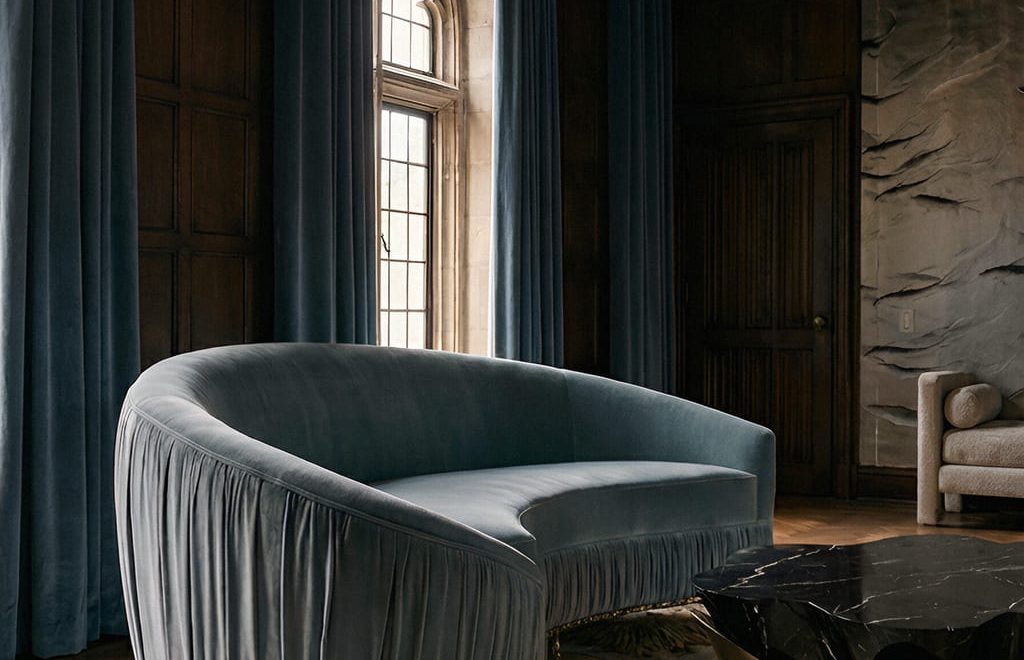
A home is more than the walls surrounding us. It is where ordinary routines become familiar rituals, where friends gather around the table, where quiet mornings begin and where memories are created without us even realising it. A home that feels like you is built from those moments and the furniture that frames them.
That is why furnishing a home can feel surprisingly personal. The right furniture does not simply fill an empty room. It influences how the space feels, how comfortably we move through it and how naturally it reflects our personality.
From a carefully chosen dining table to a comfortable chair that becomes a favourite reading spot, individual pieces can gradually give a home its character. The key is not necessarily having more furniture, but choosing pieces that work beautifully with the way you actually live.
Finding Inspiration in Staverton and Thoughtful Design
Exploring Staverton can provide inspiration for anyone looking to create a more considered approach to furnishing their surroundings. Rather than viewing furniture simply as something functional, it can be helpful to think about how design, comfort, craftsmanship and everyday practicality come together.
A beautiful room rarely depends on one spectacular piece. More often, it is the result of several thoughtful choices working together.
Consider how you want the room to make you feel. Do you want a living room that feels relaxed and inviting? A dining area that encourages long conversations? A home office that helps you concentrate without feeling sterile?
Once you understand the atmosphere you want to create, furniture choices become much easier.
Let Your Lifestyle Shape Your Choices
One of the most common mistakes when furnishing a home is choosing furniture based solely on how it looks.
A photograph of a beautifully styled room can provide inspiration, but your own home needs to work for your everyday life. If you regularly entertain friends, for example, comfortable seating and a practical dining arrangement may be more important than following the latest interior trend.
Families may need durable surfaces and furniture that can withstand constant use. Someone living alone may prefer a smaller arrangement that leaves plenty of open space.
Your lifestyle should be part of the design process from the beginning.
Furniture becomes much more valuable when it supports the way you actually live rather than forcing you to adapt your habits around it.
Quality Can Change How a Room Feels
There is something immediately noticeable about well-made furniture. It can feel substantial, comfortable and considered in a way that mass-produced alternatives sometimes struggle to replicate.
Quality does not necessarily mean choosing the most expensive option available. It means paying attention to materials, construction, proportions and how a piece is likely to perform over time.
A well-made dining table, for example, can become part of family life for years. It may host birthday meals, weekend breakfasts, homework sessions and conversations that continue long after dinner has finished.
That kind of longevity gives furniture an emotional value that goes beyond its original purpose.
Choose Pieces That Can Grow With You
Interior styles change. Personal tastes evolve. Homes themselves can change as life develops.
Furniture that can adapt to those changes can therefore be a worthwhile investment.
A timeless sofa can work with different cushions, rugs and decorative details as your preferences develop. A well-designed dining table can remain relevant even when the surrounding décor changes.
This does not mean avoiding personality. In fact, distinctive furniture can give a room far more character than following a rigid design formula.
The trick is to distinguish between a piece you genuinely love and something you only like because it happens to be fashionable at the moment.
Comfort Should Never Be an Afterthought
A beautiful home should also be comfortable.
It can be tempting to prioritise appearance when choosing furniture, especially when looking at carefully styled interiors online. Yet furniture exists to be used, and comfort has a major influence on whether a room feels inviting.
Think about how you spend time in each space. A living room should encourage people to relax. Dining chairs should be comfortable enough for long meals. A home office chair should support the hours you spend working.
The most successful interiors balance visual appeal with everyday usability.
When furniture feels good to use as well as look at, it naturally becomes part of your routine.

Create Balance Instead of Matching Everything
A room does not need to contain furniture from the same collection to feel cohesive.
In fact, using different materials, shapes and textures can create a more interesting and personal environment. A contemporary sofa can sit comfortably alongside a traditional wooden table. Modern lighting can complement classic furniture.
The key is finding relationships between the pieces.
Colour can create continuity, while similar materials can help separate pieces feel connected. Repeating certain shapes or finishes can also create a sense of balance without making the room appear overly coordinated.
A home should feel collected rather than manufactured.
Think About Proportion
The size of your furniture matters just as much as its design.
A large sofa might look impressive in a spacious showroom but overwhelm a smaller living room. Conversely, very small furniture can make a large room feel strangely empty.
Before buying a major piece, consider the dimensions of the room and how people will move around it.
Leave enough space between furniture for comfortable movement. Think about doors, windows and other architectural features. If the room serves multiple purposes, consider how each area will connect with the others.
Good proportions can make even a relatively simple room feel polished.
Make Room for Personality
A home should not look like a showroom.
The most memorable interiors usually contain details that reveal something about the people who live there. Favourite books, photographs, artwork, travel souvenirs and inherited pieces can all contribute to that sense of identity.
Furniture provides the foundation for those details.
A simple room can become deeply personal when it is filled with objects that have genuine meaning. You do not need to follow a particular interior style to create a beautiful home.
Your personality is the most valuable design element you can introduce.
Think Beyond the Living Room
Furniture choices matter throughout the home.
A thoughtfully designed bedroom can create a sense of calm at the end of the day. A functional home office can make working more comfortable. A carefully arranged hallway can create a welcoming first impression.
Even smaller spaces can benefit from furniture that combines practicality and style.
Instead of treating each room as a completely separate project, consider how the spaces connect. Similar tones, materials or design principles can create a subtle sense of continuity throughout the home.
This approach can make a property feel more cohesive without making every room identical.
Invest in Pieces Worth Keeping
Furniture is increasingly treated as something temporary, particularly as interior trends change quickly. However, there is a strong argument for choosing fewer pieces that are built to remain useful.
A well-made piece can be repaired, maintained and adapted rather than immediately replaced.
There is also an emotional benefit. Furniture that stays in a home for many years becomes part of its history.
The chair where you read every Sunday morning or the table around which your family gathers can eventually carry memories that cannot be recreated by buying something new.
Sustainable Choices Start With Longevity
Choosing furniture that lasts can also support a more thoughtful approach to consumption.
When a piece remains useful for years, it reduces the need for frequent replacement. Buying with longevity in mind encourages us to consider craftsmanship, materials and timeless design rather than simply choosing whatever happens to be popular.
This does not mean every piece needs to be an heirloom. It simply means thinking carefully before purchasing.
Ask yourself whether you genuinely like the design, whether it suits your home and whether you can imagine still appreciating it several years from now.
Those questions can lead to more satisfying choices.
Give Your Home Time to Evolve
There is no need to furnish an entire home in one weekend.
Some of the most interesting interiors develop gradually. A sofa might be chosen first, followed by a dining table, artwork, lighting and smaller decorative pieces over time.
Allowing a home to evolve gives you the opportunity to understand what each room actually needs.
It also prevents unnecessary purchases. Instead of filling every empty space, you can wait until you find something that genuinely works.
A home should reflect your life as it develops, not look finished before you have had the chance to live in it.
Make Furniture Part of Your Story
Ultimately, choosing furniture is about creating an environment where everyday life feels comfortable and authentic.
The best pieces do not simply occupy space. They support routines, welcome guests, provide comfort and become part of the memories made within the home.
Whether you are redesigning one room or furnishing a new property from scratch, focus on what feels right for you. Look for quality, consider practicality and allow your personal taste to guide the process.
Because the most beautiful home is rarely the one that follows every trend. It is the one that feels unmistakably yours, filled with furniture and details that have earned their place in your story.
More to Love!
Personalizing Your Living Room Decor for a Unique Space
Transforming Spaces with Timeless Solid Wood Furniture: A Design Lover’s Guide