SUBSCRIBE


When Does a Garage Floor Need Concrete Polishing in Fort Collins
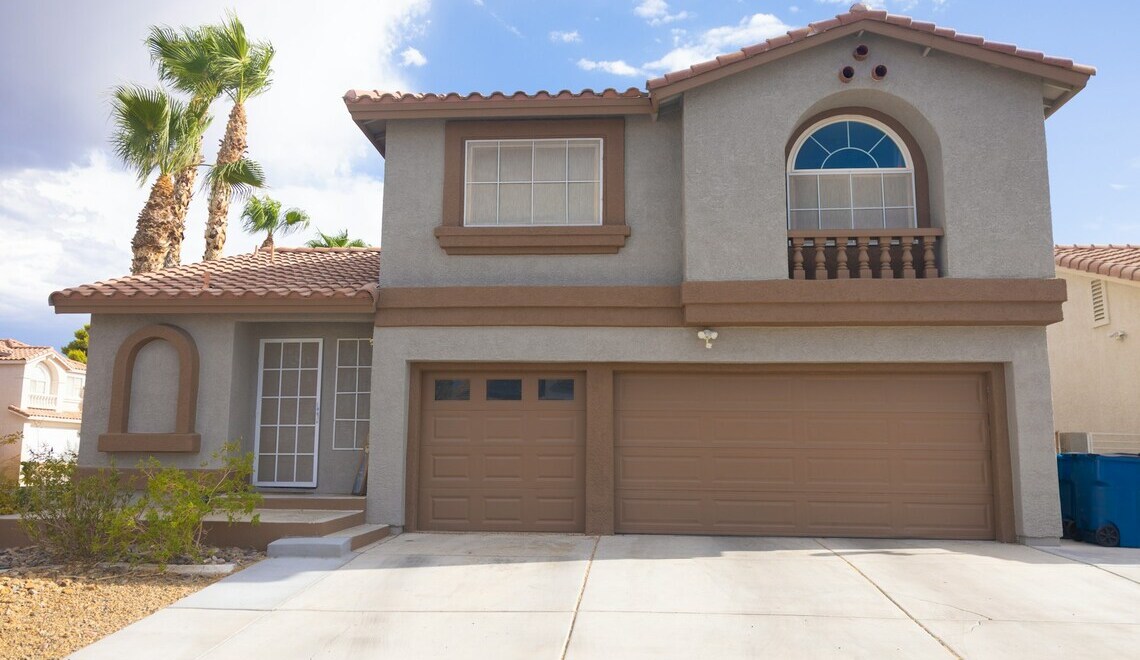
A garage slab takes salt, grit, tire heat, and dropped tools through every season. Wear builds slowly, so the point for action is easy to miss. Some floors need a rinse and a sealer, while others have reached the stage for a mechanical polish. Let’s explore the key surface checks and testing methods that show whether your floor is ready.
Surface Signs That Point Toward a Polish
Dust on shelves and boxes is the most common complaint. A concrete contractor Fort Collins, Colorado, will check whether that dust comes from the slab surface itself, a condition known as dusting. Bare concrete releases fine particles as the top layer breaks down under traffic. A polish grinds past that weak layer and hardens what remains.
Stains give a second signal. Oil, brake fluid, and de-icer marks soak into open pores and resist cleaning. Repeated pressure washes stop lifting the color after a point. A closed, polished surface holds fewer contaminants.
Slab Condition Checks Before Work Begins
Deep cracks, sunken sections, and heaving from soil movement point to a structural issue underneath. Those problems need repair or replacement first. A polish over a failing slab wastes the investment.
Hardness Tests on an Older Slab
Slab hardness decides the grit sequence and the final sheen. Crews test with a scratch tool or a rebound hammer (ASTM C805 standard) to measure surface hardness and compressive strength at several key spots. Soft concrete accepts a densifier that firms the surface before finer passes. Results from those checks aid in a realistic quote.

Timing Around Winters in Northern Colorado
Salt tracked in from the road sits on the slab through the cold months. That chloride works into open pores and speeds up surface scaling. Spring is a practical window for the work, once the last melt has dried out. Warm indoor temperatures also assist the densifier reaction.
Moisture from the ground below matters too. A slab without a vapor barrier can push water toward the surface. A moisture test settles the question before any grinder touches the floor. Results guide the choice between a polish and a coated finish.
Use Patterns That Shorten the Interval
How a space gets used changes the timeline. A few situations move the decision forward:
- Daily vehicle parking with salt and sand carried in from winter roads
- Workshop use with dropped tools along with chemical spills
- Home gym conversion where a clean, level surface matters
- Storage rooms where dust settles on stock and equipment
Frequency of traffic drives the wear rate as much as age. A slab poured fifteen years ago in a rarely used bay may still be sound. A five-year-old floor under daily workloads shows scratches and dull patches sooner. Use patterns may help improve the accuracy of any estimate.
Contractor Questions Before the Quote
The right questions separate an informed bid from a rough guess. Ask about the grit sequence, the densifier product, and the target sheen level. Dust control equipment for indoor work deserves a direct answer. Written scope with prep, repair, and cleanup listed protects the budget.
References carry weight in this trade. An established concrete contractor in Fort Collins, Colorado, can show photos of finished garage floors with clean edge work and joint treatment. Licensing, insurance, and warranty terms belong in the same conversation. Clear answers on these points help with a confident decision.
Dust, stains that no longer lift, and a dull worn surface mark the point where cleaning stops working. A sound slab with those symptoms is ready for a mechanical polish. Cracks and settlement send the project toward repair first. A slab assessment across Colorado winters gives homeowners the evidence for that call.
More to Love!
Maximize Your Garage Space: Tips for an Efficient and Functional Workspace
The 7 Wooden Garage and Cabin Ideas to Increase the Attractiveness of Your Home