SUBSCRIBE


Before the Shower Remodel: 7 Tile Brands Worth Considering Underfoot
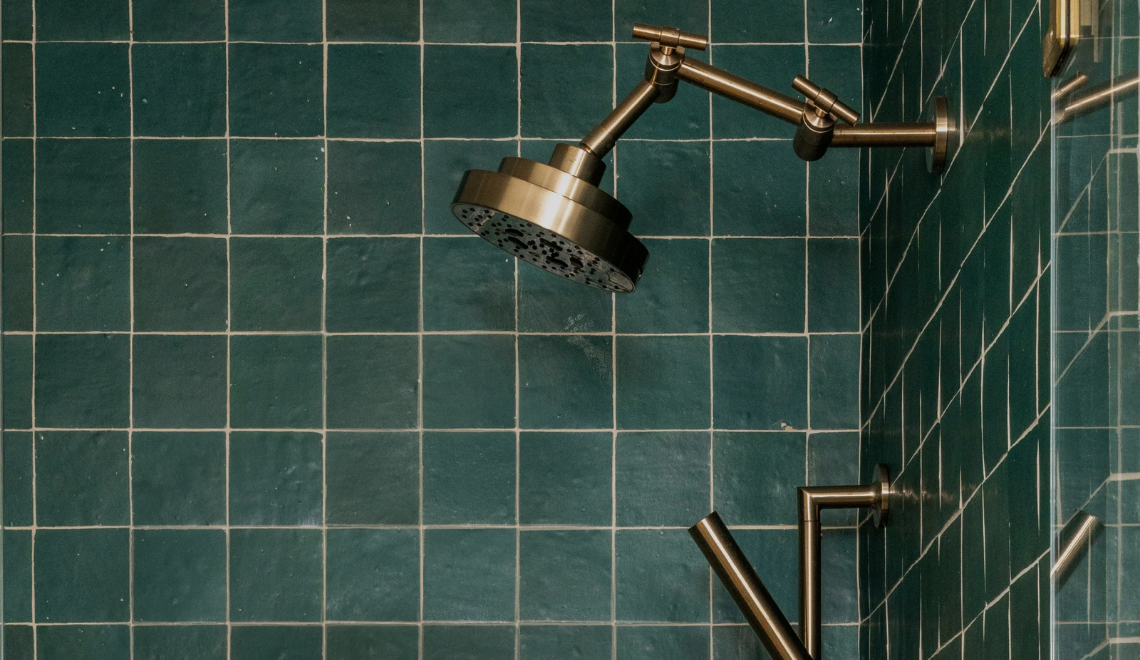
The shower floor might be one of the smallest tiled surfaces in a bathroom, but it has some of the biggest responsibilities.
It has to look good beside the wall tile, follow the slope toward the drain, handle standing water and regular cleaning, and provide an appropriate surface under wet feet. That makes choosing a shower floor tile quite different from picking a backsplash because you like the color.
Size matters. Finish matters. Grout matters. So does everything you cannot see once the project is finished, particularly the waterproofing system and properly prepared substrate beneath the tile.
If you are planning a more complete bathroom refresh, even relatively simple bathroom updates can change how the whole room feels. A new shower floor, though, is one area where appearance needs to be considered alongside wet-area performance and professional installation.
These seven brands approach that balance in very different ways.
1. clé: Best for Artisan Materials with Real Surface Character
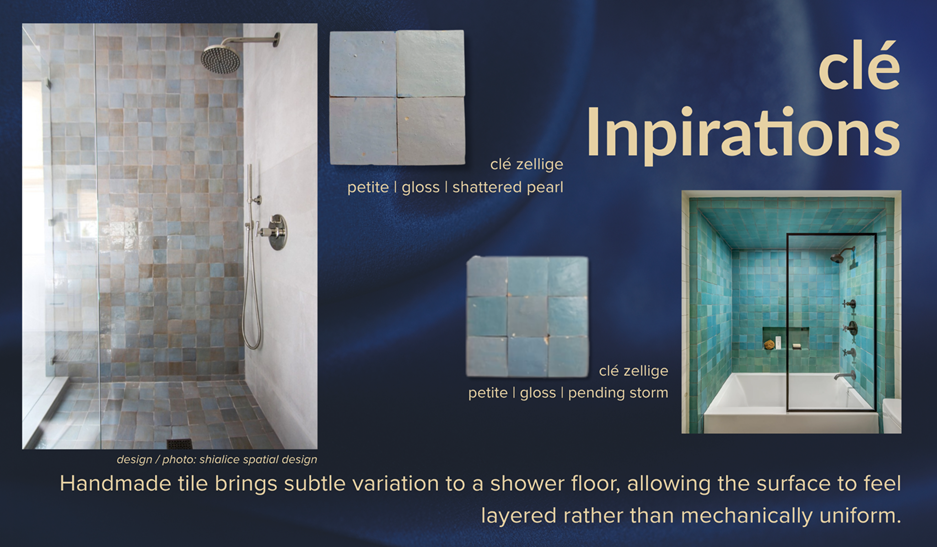
clé is the place to start when you want the shower floor itself to contribute to the atmosphere of the bathroom.
Its material vocabulary extends across Moroccan zellige, cement, terracotta, stone, terrazzo and other surfaces, and its current shower-floor edit brings those different traditions together specifically for wet-area use.
That breadth is useful because luxury does not have to mean polished marble. A small-format zellige can create movement through shifts in glaze and tone, while honed stone feels quieter and more architectural. Cement introduces another texture entirely.
clé also has genuine authority in handmade surfaces. Its zellige is handmade in Morocco according to the traditional process, with variation in glaze, shape and surface integral to the material rather than treated as a flaw. The collection is a great place to explore luxury shower floor tile options when the goal is character as well as wet-area suitability.
The installation has to respect that character. Handmade tile may vary in thickness and edge profile, so an experienced installer needs to account for those differences while maintaining the drainage plane and minimizing problematic lippage. The supplied Design/Build guidance likewise emphasizes substrate preparation and installer precision for variable artisan surfaces.
Designer’s note: Best for bathrooms where handcrafted material, patina and tonal variation are central to the design.
What sets it apart: Artisan material breadth rather than a single manufactured tile aesthetic.
2. Daltile: Best for Mosaics That Make Shower-floor Planning Easier
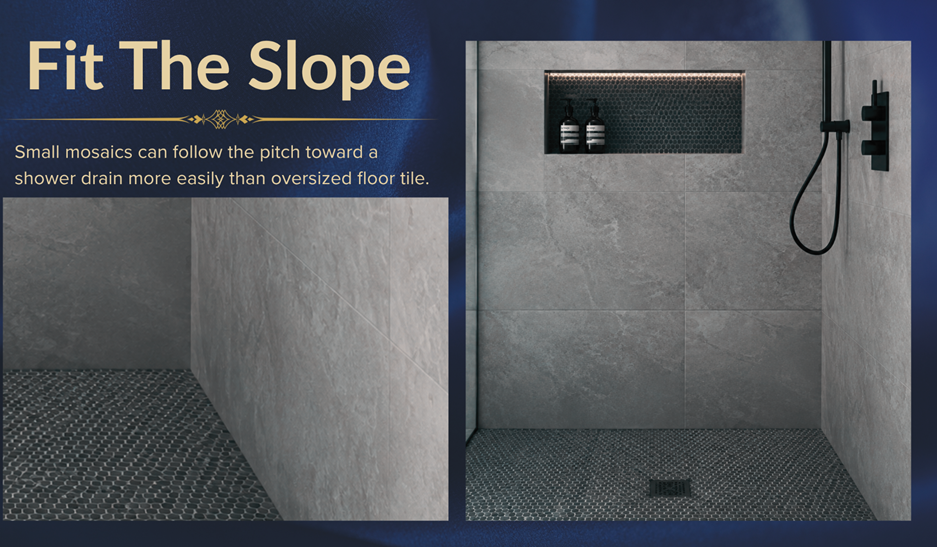
Daltile is useful when the practical geometry of the shower floor is driving the decision.
Its mosaic ranges are specifically promoted for shower floors, and the company notes that small pieces mounted on sheets can accommodate slopes, drain conditions and irregular shower-pan shapes more readily than larger tile. More grout joints can also contribute additional traction underfoot.
Making it a strong option for homeowners who want the shower floor to coordinate cleanly with larger porcelain wall tile without requiring a handmade finish.
Daltile also offers a custom mosaic design tool, which can be useful when the shower floor needs a more personalized pattern without moving into fully bespoke artisan production.
Designer’s note:: Practical porcelain mosaics, coordinated bathrooms and showers with detailed drain or slope conditions.
What sets it apart: Extensive mosaic choice backed by large-scale porcelain and ceramic expertise.
3. Crossville: Best for Technical Wet-area Specification
Crossville makes sense for homeowners working with an architect, designer or contractor who wants particularly clear technical information.
The Tennessee manufacturer classifies some products for “Interior Wet Plus” conditions, a category that may include shower floors and other spaces frequently exposed to standing water. Those products use characteristics such as enhanced texture, wet DCOF performance or frequent grout joints to support wet-area applications.
Specific Crossville mosaics also publish detailed shower-floor application information alongside attributes such as finish, grout joint and relevant test results.
You do not need to become a tile engineer to remodel a bathroom, but this level of documentation makes conversations with your installer much easier.
Designer’s note:: Design-led bathrooms where technical wet-area specifications are a priority.
What sets it apart: Detailed application classifications and specification-oriented porcelain collections.

4. Florida Tile: Best for the Look of Stone with Porcelain Practicality
Natural stone is beautiful, but not every homeowner wants its variation or care requirements.
Florida Tile is particularly strong in porcelain surfaces that interpret marble, travertine and other natural materials. Its collections include coordinating mosaics that allow the same visual language to move from larger bathroom surfaces onto smaller wet-area details.
This approach works well when you want a spa-like shower without introducing several unrelated finishes. A larger stone-look porcelain can be used elsewhere in the room, while a smaller mosaic format creates the scale needed around the shower pan.
Check the exact mosaic’s wet-floor approval rather than assuming that every coordinating format has identical performance characteristics.
Designer’s note:: Calm bathrooms where natural-stone visuals and porcelain consistency are both priorities.
What sets it apart: Strong marble, travertine and stone interpretations in coordinated porcelain collections.
5. American Olean: Best for Straightforward Mosaic Choices
American Olean is a useful choice when you want a shower floor that is straightforward to understand and specify.
The brand explicitly identifies designated products that meet its shower-floor use criteria, which takes some of the guesswork out of filtering a broad tile range. Its mosaics include familiar squares, penny rounds, hexagons and other shapes, with stone, ceramic, glass and additional material looks represented.
American Olean also points to the functional advantage of mosaics in showers: their smaller scale helps them follow drainage slopes, while the additional grout joints can increase traction.
Designer’s note:: Family bathrooms and homeowners who want familiar mosaic formats with clear application guidance.
What sets it apart: Accessible, application-labeled shower-floor options without an overly specialized buying process.
6. Emser Tile: Best for Decorative Mosaic Variety
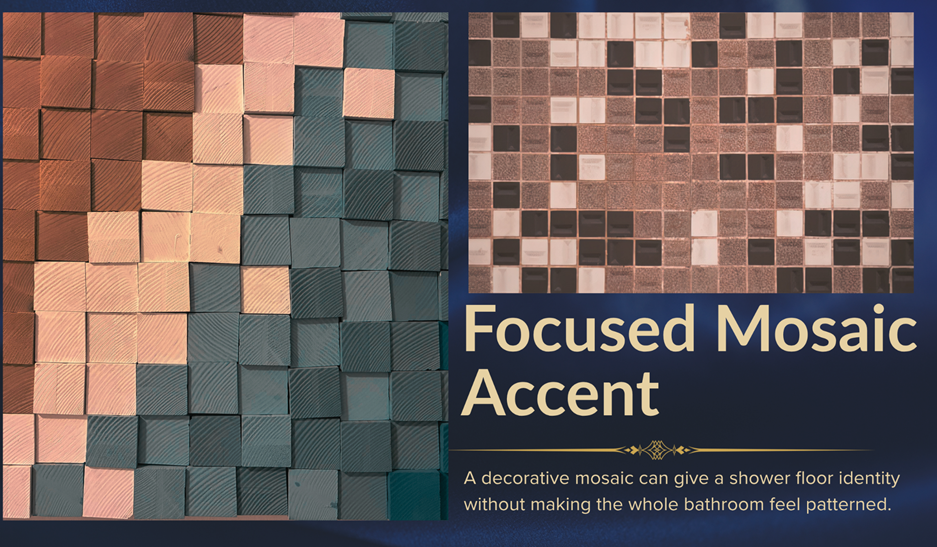
Emser is worth exploring when a simple square mosaic feels too predictable.
Its bathroom and shower offering spans tiles specifically intended for wet areas, while its decorative mosaic catalogue includes a wide variety of patterns, finishes and shapes. Its Source collection, for example, uses unglazed porcelain mosaics in several formats and neutral colorways.
This makes Emser particularly useful for bathrooms where the shower floor is meant to introduce a small amount of pattern while larger wall surfaces remain quiet.
As always, confirm shower-floor suitability for the exact mosaic rather than assuming every decorative option works underfoot.
Designer’s note:: Homeowners who want more shape and pattern choice without moving into a fully artisan tile category.
What sets it apart: Broad decorative mosaic vocabulary across contemporary styles.
7. Marazzi: Best for a More Fashion-forward Porcelain Look
Marazzi brings a more fashion-oriented approach to manufactured ceramic and porcelain tile.
Its current design guidance treats mosaics as much more than purely functional shower-floor material, with color, geometry and pattern used as tools for creating stronger interiors. The brand also emphasizes matte surfaces for flooring where a softer appearance and better grip are desirable compared with glossy finishes.
That can work particularly well if you want the shower floor to introduce a darker color, geometric rhythm or subtle contrast without committing the entire bathroom to the same treatment.
Designer’s note:: Contemporary bathrooms where trend-led color or pattern is part of the plan.
What sets it apart: Fashion-conscious porcelain and ceramic styling within a large-scale manufactured range.
Before You Choose, Check the Wet-area Details:
The prettiest tile on this list cannot compensate for a poorly built shower.
Before choosing the final surface, confirm that the tile is approved for shower-floor use. A tile appropriate for a bathroom wall is not automatically suitable under wet feet.
Next, think about size. Smaller formats and mosaics are common on shower floors because they can follow the slope toward the drain more easily. More grout joints can also contribute traction, although slip resistance should still be checked at product level rather than assumed from appearance alone. clé similarly advises considering water resistance, pooling and slip resistance when choosing shower-floor tile.
Then look beneath the tile. Waterproofing, drain detailing and the slope of the shower pan have to be resolved before setting begins. These are not finish-stage decisions and should be handled by an appropriately experienced professional.
Grout color deserves thought too. A close match can make small mosaics read as a quieter field, while stronger contrast emphasizes every individual shape and grout line.
If the shower remodel is part of a larger bathroom refresh, smaller projects such as painting the bathroom vanity or updating the shower head can help pull the room together once the more technical work is complete.
The best shower floor tile, then, is not simply the most luxurious sample or the most recognizable brand. It is the material that suits the wet-area conditions, works with the drainage geometry, feels right underfoot and still contributes something meaningful to the room.
More to Love!
Why Bathroom Mosaic Tiles Are One of the Most Versatile Choices?
Elevating Your Bathroom Ambiance with the Sleek Touch of Modern Design Elements