SUBSCRIBE


How to Build an Eyewear Rotation That Works All Year
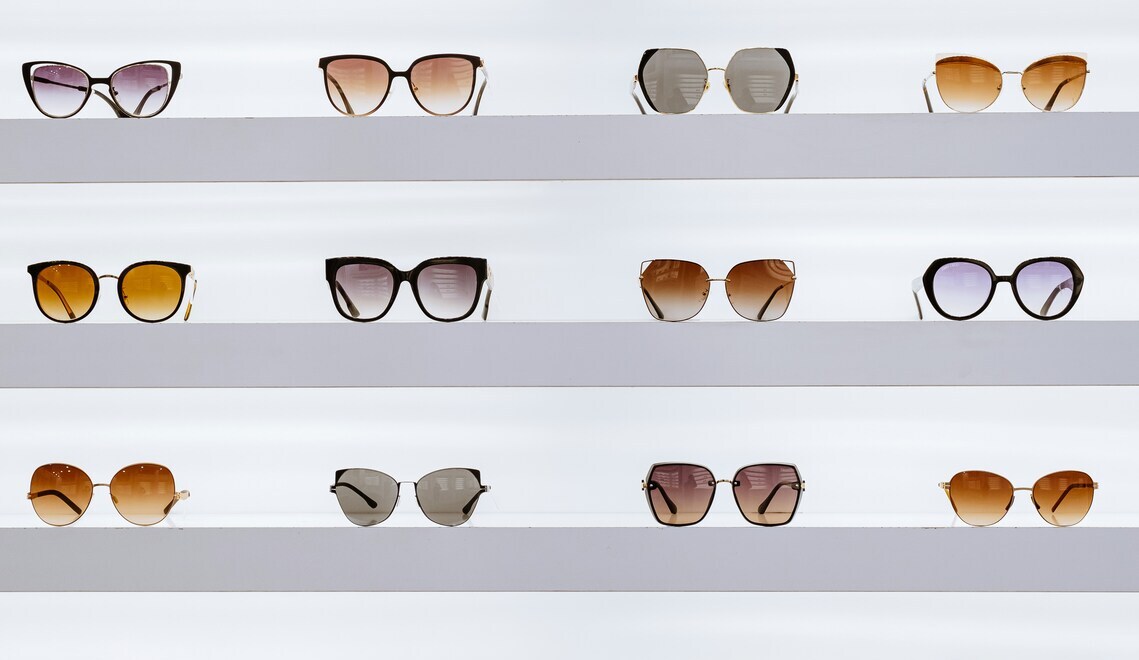
Most sunglasses shopping happens in a two-month window between Memorial Day and the Fourth of July, then stops. The pair bought in June gets worn through August and forgotten by October, which leaves most of the year covered by whatever old pair survives in a glovebox or coat pocket. That gap is where a real rotation earns its keep.
This guide covers:
- Why UV exposure does not actually follow the calendar
- The three functional roles a small rotation should cover
- How to map those roles across the actual seasons, not just summer
- What keeps a rotation working instead of turning into clutter
At a Glance
| Takeaway | Detail |
| Core consensus | Opticians and eyewear specialists generally recommend two to three pairs in active rotation, not one |
| Common mistake | Treating sunglasses as a summer-only purchase leaves fall, winter, and early spring under-protected |
| Winter UV | Snow reflects a large share of UV rays, meaning winter sun exposure can rival or exceed summer levels |
| Three roles | An everyday pair, a high-glare or polarized pair, and a going-out pair cover most situations |
| Seasonal shift | The lens and frame priorities that matter in July are different from what matters in January |
| Longevity | Rotating between pairs extends the life of each one and reduces daily wear on hinges and nose pads |
| Storage | A case for each pair prevents scratches and warping that shorten a rotation’s lifespan |
Why One Pair Isn’t Enough
The idea that sunglasses are optional once summer ends does not hold up against how UV exposure actually works. Ultraviolet light reaches the eyes year-round, and reflective surfaces like snow and ice can bounce a significant share of that light back up into the face, which means a bright January afternoon on a snowy sidewalk can deliver more cumulative UV exposure than a cloudy day in July. Eye health organizations have pointed to this reflected exposure as a specific risk for anyone spending time outdoors in winter, from skiers to people simply walking to work.
That single fact is why most opticians land on two to three pairs in active rotation rather than one. A single pair, worn daily across every season and every lighting condition, ends up mismatched to at least half the situations it gets used in. A dark tint that works well on a bright beach day makes an overcast winter morning harder to see through, and a lightweight summer frame is rarely built to handle cold-weather wind and moisture the way a sturdier pair can.
The rotation does not need to be large to solve this. It needs to be built around actual use cases rather than whatever happened to be on sale.
The Three Roles Worth Covering
A functional rotation covers three roles, and most people already own something close to the first without thinking of it that way. The everyday pair is the one worn most often, for driving, errands, and general outdoor time. It should be versatile enough to pair with most outfits and durable enough to survive daily use without babying it.
The second role is a high-glare pair, built for conditions where light bounces hard off a reflective surface. Polarized lenses matter most here, since they cut the glare coming off water, wet pavement, and snow in a way standard tinted lenses cannot. This is the pair that gets reached for on ski trips, beach days, and long winter drives with low sun angles, which makes it far more of a year-round tool than a summer-only accessory.
The third role is a going-out pair, chosen more for how it looks than for technical performance, though it should still carry real UV protection rather than being purely decorative. This is where frame shape and personality matter most, and where trying a shape outside the daily-wear pair pays off. Someone building out this role benefits from browsing a wide range of women’s shades and sunglasses at Quay to compare frame shapes side by side rather than committing to the first style that looks good on a product photo.

Building the Rotation Season by Season
The three roles stay constant, but which one gets the most use shifts through the year. Spring and summer put the most pressure on the everyday and high-glare pairs, since bright, direct sun and reflective surfaces like water and pavement are most common in these months. Fall shifts priorities slightly, with lower sun angles during morning and evening commutes making glare a bigger issue at specific times of day rather than all day long.
Winter is where most rotations quietly fail, since the everyday pair often gets left at home once the weather turns cold. This is exactly the season where the high-glare pair matters most, particularly for anyone driving or spending time in snowy conditions where reflected light is at its strongest. A rotation that only accounts for summer misses this stretch entirely.
| Season | Priority Role | Why |
| Spring | Everyday pair | Increasing sun exposure with variable weather conditions |
| Summer | Everyday + high-glare | Peak direct sun and reflective surfaces like water |
| Fall | Everyday, situational high-glare | Lower sun angles during commute hours |
| Winter | High-glare pair | Snow and ice reflection increase UV exposure significantly |
Keeping a rotation working long term comes down to basic maintenance more than anything else. Each pair benefits from its own case, since loose frames tossed into a bag scratch lenses and bend hinges faster than almost anything else. Retailers that stock a broad range of shapes and price points, Quay included, make it easier to build out a rotation gradually rather than buying all three roles at once, which also spreads the cost over time instead of front-loading it into a single purchase.
Making the Rotation Actually Stick
A rotation only works if it gets used, which means the biggest failure point is not the frames themselves but where they end up stored. A pair left in a hot car or buried in a bag gets skipped in favor of whatever is easiest to grab, which quietly turns a three-pair rotation back into a one-pair habit.
Key Takeaways
- Build around three roles, an everyday pair, a high-glare polarized pair, and a going-out pair, rather than buying by season alone
- Treat winter as a real UV season, not a break from sunglasses, since snow and ice reflection can rival summer exposure
- Store each pair separately in its own case to prevent the scratches and warping that shorten a rotation’s usable life
The goal is not owning more sunglasses. It is having the right pair within reach no matter what the weather or the calendar happens to be doing that day.
Frequently Asked Questions
How many pairs of sunglasses do I actually need?
Most opticians and eyewear specialists recommend two to three pairs in active rotation rather than a single pair worn year-round. This typically breaks down into an everyday pair, a high-glare or polarized pair for water and snow, and an optional going-out pair chosen more for style.
Do I really need sunglasses in the winter?
Yes. Snow and ice reflect a significant share of UV light back toward the face, which means winter UV exposure in bright, snowy conditions can rival or exceed summer levels. This is especially relevant for skiing, snowboarding, and driving during low winter sun angles.
What is the difference between polarized and regular tinted lenses?
Polarized lenses filter out the specific glare that bounces off flat reflective surfaces like water, wet roads, and snow, while standard tinted lenses simply reduce overall brightness without addressing that glare. Polarized lenses are most useful for driving, winter sports, and time spent near water.
How do I keep multiple pairs of sunglasses from getting damaged?
Storing each pair in its own case is the single most effective habit, since loose frames tossed into a bag or pocket scratch lenses and loosen hinges far faster than regular wear does. Keeping pairs out of hot cars also helps, since heat can warp acetate frames over time.
Does frame style matter as much as lens function?
Both matter, but for different reasons. Lens function determines how well a pair performs in specific light and glare conditions, while frame style determines whether the pair actually gets worn regularly. A technically ideal pair that never gets reached for is less useful than a slightly less specialized pair in active rotation.
Is it worth buying all three roles in a rotation at once?
Not necessarily. Building a rotation gradually, starting with the everyday pair and adding the high-glare and going-out pairs over time, spreads the cost out and lets each purchase respond to an actual gap rather than guessing at future needs.
More to Love!
From Brunch to Beach: Sunglasses That Transition with Your Day
Sabrina Carpenter Brings Versace’s Biggie Sunglasses to a Whole New Level of Iconic