SUBSCRIBE


How to Choose Durable, Long-Lasting Swimwear: Fits, Fabrics, and Care for Year-Round Confidence
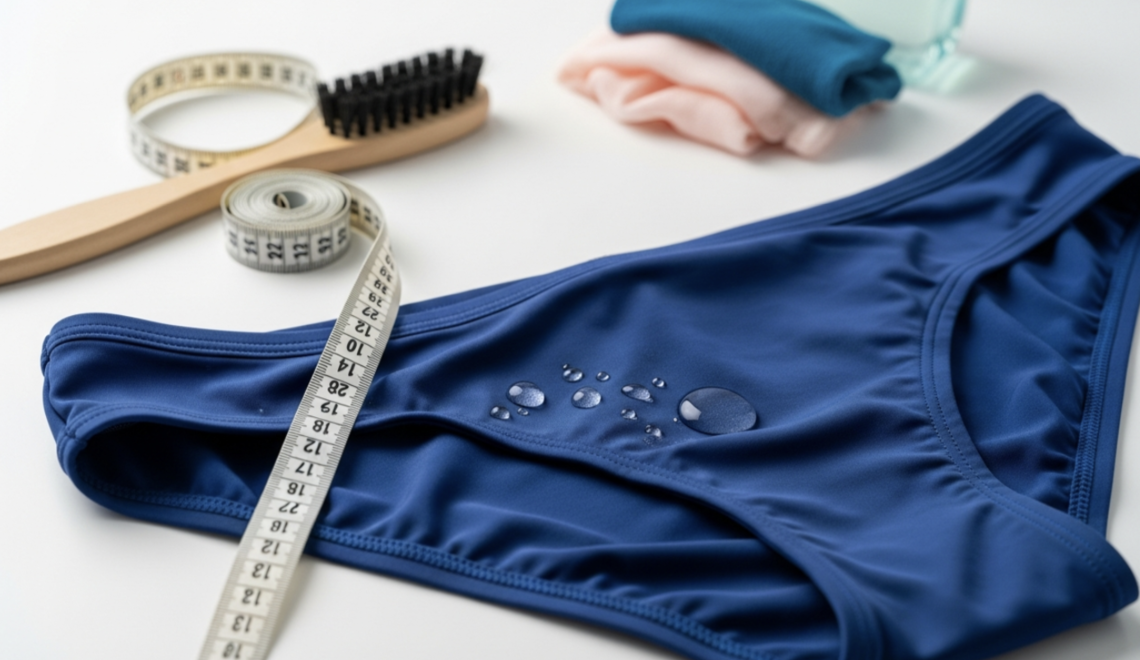
Choosing the right swimwear is about longevity as much as it is about style. Whether you swim laps three times a week, take the occasional beach vacation, or spend weekends on the water, the wrong pair can stretch out, fade, or lose its shape after just a handful of uses. Before getting into the technical details, it’s worth taking a moment to view the collection of men’s swimwear styles available online — it gives you a useful sense of the range of cuts, fabrics, and designs currently on the market. With that broader picture in mind, this guide focuses on what genuinely matters: fabric composition, fit principles, activity suitability, and the care habits that keep swimwear performing season after season.
Understanding Swimwear Fabrics and Their Longevity
Fabric choice is the single most important factor in how long swimwear lasts. The three most common materials each come with distinct trade-offs worth understanding:
- Polyester-based blends: highly resistant to chlorine and UV exposure; well-suited for frequent pool use.
- Nylon (polyamide)-based blends: softer and stretchier than polyester, but more susceptible to fading over time without careful handling.
- Elastane/spandex (Lycra): blended into both types to provide stretch and comfort, though vulnerable to degradation from heat and harsh chemicals.
A label reading “80% polyamide, 20% elastane” tells you the suit will feel soft and move freely — but it will need gentle care to stay that way. A higher polyester content, on the other hand, signals stronger resistance to chlorine and prolonged sun exposure.
Key Takeaway: Match your fabric to your primary environment — chlorine-resistant blends for the pool, UV- and salt-resistant options for the beach.
Finding the Right Fit for Comfort and Performance
Fit affects both comfort and garment lifespan more than most people realize. Swimwear that is too loose places unnecessary stress on seams and elastic, which accelerates wear over time. A slightly firm fit on land usually translates to secure, comfortable coverage in the water, since most fabrics relax a little once wet.
As a practical rule, swimwear should feel snug but not restrictive when dry. The waistband should lie flat without digging in, and leg openings should neither gap nor pull. Style options range from close-fitting briefs and athletic cuts — ideal for lap swimming and training — to mid-length trunks and longer board shorts, which offer more versatility for casual wear and everyday use.
Practical Tip: When trying on swimwear, move around — stretch, squat, shift your weight. How it behaves under real movement matters far more than how it looks while you’re standing still.
Matching Swimwear Style to Your Activities
Activity type should guide style selection just as much as personal preference. Lap swimmers and triathletes benefit from streamlined, low-drag cuts with secure waistbands that stay in place through repetitive movement. Water sports demand durable fabrics and a reliable fit that won’t shift under impact or strong currents. For casual beach or resort use, comfort, coverage, and versatility typically take priority over performance-specific features.
There is no universally “correct” style — the right choice depends on how, where, and how often you actually swim.

Essential Care Practices to Extend Swimwear Life
Even the best fabric degrades quickly without consistent care. Chlorine, salt, UV exposure, and sunscreen all break down elastic fibers over time, often faster than people expect. A simple post-swim routine makes a measurable difference:
- Rinse immediately after use with fresh, cool water.
- Hand wash with a mild detergent — avoid fabric softener, which weakens elastane fibers.
- Gently squeeze out excess water; never wring or twist the fabric.
- Dry flat in the shade — direct sunlight accelerates both fading and fiber breakdown.
Machine washing, tumble dryers, and radiators should be avoided entirely. Storing swimwear while still damp is equally damaging over time.
Key Takeaway: Consistent, gentle care can significantly extend the life, shape, and color of your swimwear — often more than any upgrade in fabric or construction alone.
Making Informed, Long-Term Swimwear Choices
Price alone is a poor guide to quality. When evaluating swimwear, focus on observable indicators of durability: strong, flat seams; reliable lining; a fabric composition suited to your water environment; and care instructions you can realistically stick to. A useful checklist:
- Fabric: appropriate chlorine or UV resistance for your setting
- Fit: secure yet comfortable across a full range of motion
- Construction: reinforced seams and a stable, well-attached lining
- Care: instructions you can consistently follow without much effort
Investing in well-constructed swimwear often proves more economical over time than replacing cheaper alternatives every season — a pattern that’s easy to underestimate until you’ve lived through it a few times.
Bringing It All Together
Informed swimwear choices come down to three interconnected factors: the right fabric for your environment, a fit that supports your activity, and care habits that preserve both. These principles apply equally to the dedicated daily swimmer, the once-a-year vacationer, and the active water sports enthusiast.
The best swimwear is the one that fits your body, your activities, and your care routine over the long term. Taking a few minutes to read fabric labels, test fit before purchasing, and establish a simple post-swim care habit will pay dividends across multiple seasons — reducing waste, frustration, and the steady drain of unnecessary repeat purchases.
More to Love!
Swimwear Trends for Women: What’s Hot Now
The Best Styling Swimsuit Cover-Ups to Wear to the Beach This Summer