SUBSCRIBE


The Modern Appeal of Vegan Tote Bags for Work and Everyday Style
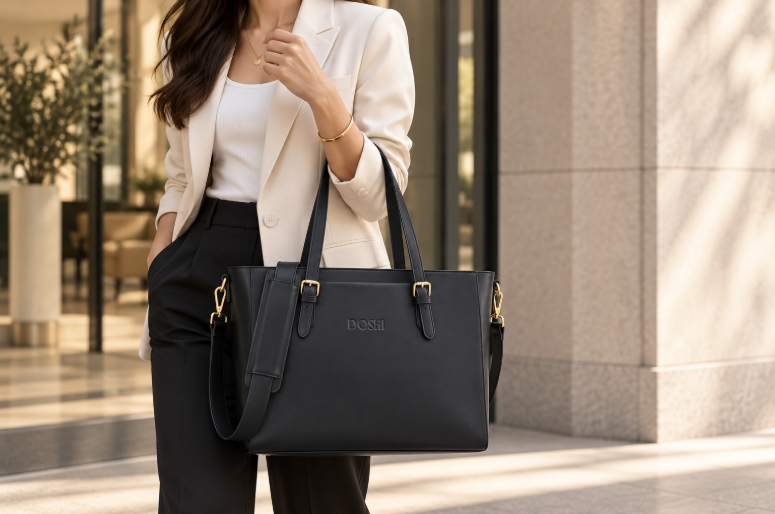
There is a quiet shift happening in the way women choose their accessories. It is not just about what looks beautiful anymore, but about what feels right. The tote bag has always been the most democratic piece in a woman’s wardrobe: roomy, reliable, quietly hardworking. Now, it is also becoming a statement of values. The rise of vegan tote bags reflects a growing desire to carry something that aligns with an ethical, considered lifestyle, without surrendering a sense of elegance in the process.
This is not about making do. The best vegan tote bags today are structured, sophisticated, and designed with genuine intention. They carry the weight of a full working day and still look considered doing it. They move from boardroom to weekend brunch without effort, and they do all of this without relying on animal materials.
Why the Tote Became Fashion’s Most Ethical Accessory
The tote bag has spent decades straddling the line between utility and style. What sets the modern vegan leather tote apart is the material evolution behind it. Where early alternatives to leather often fell short on durability and finish, today’s premium vegan materials have meaningfully raised the bar. Leading that shift are microfiber vegan leather, with its polished, structured finish; washable Kraft Paper, which brings something organic and tactile to the conversation; and Piñatex®, derived from pineapple leaf fiber, which has become one of the most recognized names in plant-based innovation. Alongside these, a broader wave of alternatives, including apple leather, cactus leather, and cork, is expanding the field further, each bringing its own material logic and environmental case.
This is no longer a category defined by what it avoids. It is defined by what it has become: a design space where craft, conscience, and aesthetic intelligence meet. The textures are richer, the construction more considered, and the range of materials broad enough to suit a genuinely diverse set of tastes and lifestyles.
Beyond materials, the vegan leather tote bag appeals on a values level that has become increasingly important in how women shop. Brands are now designing around the full picture: cruelty-free production, responsible sourcing, and aesthetics that hold their own alongside traditional leather. PETA-approved labels like Doshi have helped move the category from niche to genuinely considered, bringing a level of design seriousness that was once rare in ethical accessories.
The Work Tote, Redefined
For professional women, the tote is a daily workhorse. It carries a laptop, documents, a notebook, wallet, and keys, and it still needs to look put-together walking into a client meeting. That is a demanding brief, and the vegan leather work tote has matured considerably to meet it.
What was once an afterthought in the accessories market is now a well-developed category in its own right. Structured silhouettes, padded laptop compartments, thoughtful interior organization, and premium-finish materials have become standard expectations. The best vegan work totes balance interior logic with exterior restraint: enough structure to be genuinely functional, clean enough in design to read as intentional rather than utilitarian.
What makes this shift feel significant is that the design discipline now matches the ethical intention. A well-made vegan leather tote no longer asks the woman carrying it to accept a visual compromise. It simply works, and it looks right doing it.
Material Stories Worth Knowing
Part of what makes modern vegan totes so compelling is the variety of materials now available, each with its own character, texture, and aesthetic logic. Choosing a vegan tote is increasingly a question not just of ethics but of sensibility: which material speaks to your wardrobe, your week, and the way you want to move through the world.
Microfiber vegan leather is the most established alternative in this space, offering a smooth or textured finish that closely mirrors the visual weight and hand feel of traditional leather. It is the material of choice for structured bags that need to look authoritative in professional settings. It wears quietly, holds its form, and develops a kind of dignified familiarity over time, which is precisely what a well-loved bag should do.
Kraft Paper is a more unexpected entry into the accessories conversation, and one of the more quietly striking ones. Washable, plant-based, and with a distinctive matte texture, Kraft Paper totes carry a tactile warmth and understated originality that set them apart from almost everything else in the market. There is something pleasingly considered about a bag that looks this good and treads this lightly. It is the material for the woman who approaches dressing as a form of personal curation rather than trend consumption.
Piñatex®, derived from the long fibers of pineapple leaves, is one of the most recognized names in plant-based material innovation. A byproduct of the pineapple harvest, it gives new purpose to what would otherwise be agricultural waste. The result is a material with a natural, slightly textured surface that carries an unmistakable sense of provenance. It is the choice for the woman who wants her accessories to reflect not just good taste but good thinking.
Beyond these three, the vegan materials landscape continues to expand in interesting directions. Apple leather, made from the byproduct of fruit production, offers a soft and supple alternative with a pleasingly light footprint. Cactus leather, derived from the nopal plant, is gaining attention for its flexibility and minimal water use in production. Cork, warm and grained and harvested without harming the tree, brings an earthy sophistication to accessories that suits a wardrobe built around natural tones. Each is worth knowing, and each points to a category that is still very much in motion.
Each material has its own care considerations and its own relationship to wear and time. What they share is a cruelty-free, animal-free foundation and a growing design ambition that is reshaping what ethical accessories can look like.

How to Style with Vegan Leather Tote Bags
One of the quiet strengths of a well-chosen tote is its range. Unlike more declarative accessories, a good vegan leather tote does not belong to a single context. It earns its place across a wardrobe and across a week.
For the office, a structured microfiber tote in a neutral tone reads as deliberate alongside tailored trousers, a blazer, or a silk blouse. The absence of heavy hardware and the discipline of the silhouette keep it modern without sliding into corporate. It is the kind of bag that does not announce itself, but is always noticed.
For the weekend, a Kraft Paper tote in a warm earth tone is a natural companion to linen separates, wide-leg trousers, or a relaxed midi dress. The texture of the material adds a tactile dimension to a casual outfit that a smooth bag simply cannot offer. It suits the Saturday that moves from a market to a long lunch without a change of clothes.
For travel, a spacious structured tote with interior organization does quiet, important work. Everything has a place, the bag holds its shape under a full day’s load, and it moves from transit to destination without the need to be swapped out. The right tote makes a journey feel more composed than it might otherwise be.
For the in-between days, the ones that do not fit neatly into a category, a well-proportioned tote in a considered material is simply the right answer. It adapts. It does not insist on being anything other than useful and beautiful at once.
The Case for Buying Better
There is a broader conversation in sustainable fashion that often centers on buying less and choosing better. The vegan tote sits naturally at the center of that conversation. A single well-designed, well-constructed bag can interrupt the cycle of seasonal replacements and fast-fashion carry habits, though how long any piece lasts will always depend on how it is used and cared for.
The environmental case reinforces the ethical one. Traditional leather production is resource-intensive and carries significant environmental costs in tanning and processing. Vegan alternatives, particularly those made from plant-based materials like Piñatex® or Kraft Paper, can reduce that footprint, though no material is entirely without impact. The goal, as with most things in considered fashion, is improvement rather than perfection. A direction rather than a destination.
For the conscious consumer, choosing a vegan tote is less a statement of restriction and more a statement of taste: for craft that does not rely on cruelty, for design that has been thought through, and for accessories that say something genuine about the woman carrying them.
The Bottom Line
Style and conscience are not competing forces. The modern vegan tote has made that case quietly and convincingly, one well-designed bag at a time. It has outgrown the defensive language of ethical fashion, the caveats and the compromises, and arrived somewhere more assured: a category that earns its place on its own terms, through quality of material, integrity of construction, and the kind of understated confidence that does not need to explain itself.
The woman who carries a vegan tote today is not making a sacrifice. She is making a choice. A choice about the kind of craft she wants to support, the kind of industry she wants to encourage, and the kind of accessories that feel genuinely right to carry into a life she has thought carefully about.
The best bags have always been the ones that disappear into your routine because they simply work. The modern vegan tote has earned exactly that kind of trust. It holds what you need, looks right doing it, and asks nothing of the animals it did not use.
That is not a small thing. That is the whole point.
More to Love!
6 Classic Black French Handbags for Everyday Living
Raffia Bags, The Summer Accessory We Always Love