SUBSCRIBE


Why San Miguel de Allende Is the New Capital of Luxury Second Homes
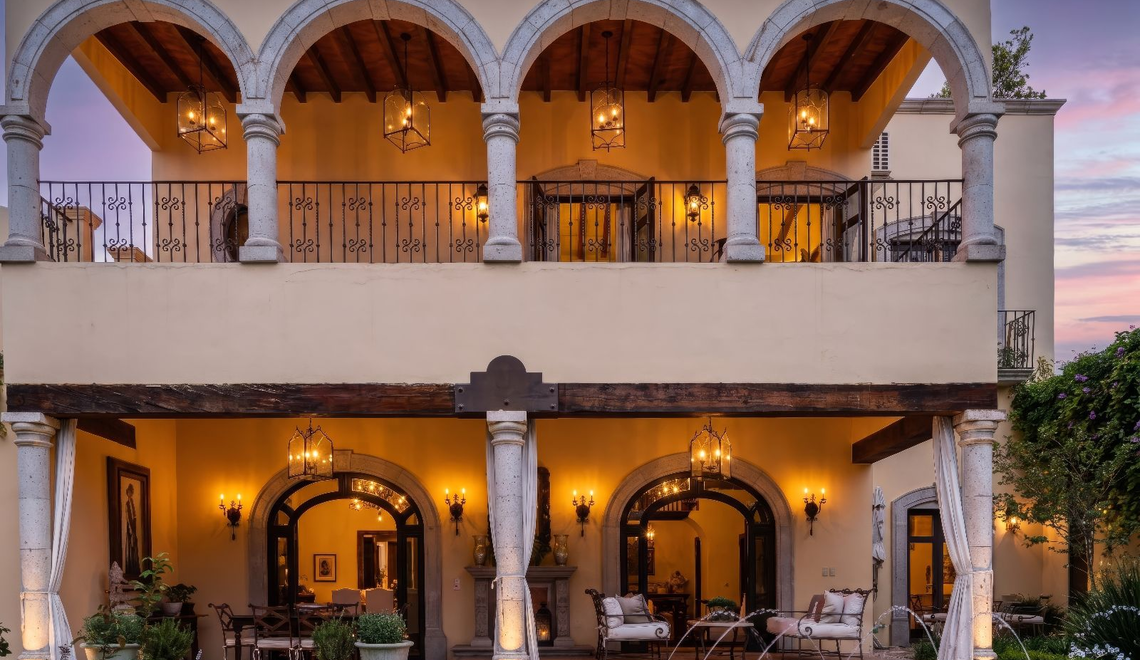
San Miguel de Allende is an unusual luxury market because the city itself is the amenity. Owners do not need a private beach club or a resort compound to give them a reason to return. They come back for mornings in Centro, dinners that turn into long evenings, gallery openings, concerts and the simple pleasure of living somewhere that still feels distinctive after the first visit.
The choice of address is equally personal. Among the neighborhoods buyers compare most often are Centro Histórico, San Antonio, Los Balcones, and Guadiana, San Miguel de Allende.
Those neighborhoods offer noticeably different versions of daily life, from immediate access to the historic center to quieter streets and more residential surroundings. For a second-home buyer, that difference often shapes how frequently the property is used and how settled each return visit feels.
The appeal of luxury real estate in San Miguel de Allende is increasingly tied to how a house is used rather than how impressive it looks in a listing. The strongest second homes here give their owners privacy at home and a compelling reason to step outside the front door.
The Luxury Is Often Hidden From the Street
Some of San Miguel’s most memorable houses reveal very little from the pavement. A modest historic façade can conceal a deep property organized around courtyards, gardens, and terraces. That inward-looking architecture creates a kind of privacy that feels especially suited to second-home living.
This is also why square footage tells only part of the story. A well-restored house may be valuable because of its proportions or the way natural light reaches an old courtyard. Original masonry and carefully restored woodwork can give the property an identity that is difficult to reproduce in a new development.
UNESCO recognition has reinforced the value of that architectural setting. San Miguel’s historic core has been protected as part of a World Heritage Site since 2008. For buyers, the appeal isn’t simply owning an old house; it is owning within an urban fabric that has retained much of the character that made the city desirable in the first place.
Owners Have Reasons to Return in Every Season
A successful second home needs to survive the period after the novelty wears off. San Miguel does this unusually well.
Many owners settle into routines rather than itineraries. They have a regular café and know which market they prefer. Friends may already spend part of the year in town. A visit can last three weeks without needing to be filled with conventional vacation activities.
San Miguel’s inland climate also gives owners more flexibility over when they visit, rather than concentrating use into a narrow resort season.
The city’s cultural life helps, too. Art and design have been part of San Miguel’s international identity for decades, while its restaurant and hospitality scene has grown increasingly sophisticated.

There Is No Single “Best” Luxury Neighborhood
San Miguel rewards buyers who choose according to routine rather than reputation.
A house in Centro puts daily life immediately outside the door. That can be exactly what an owner wants, but the experience includes the noise and activity of a living historic centre. Los Balcones changes the perspective by moving above the city, where views and larger properties become a greater part of the appeal.
Guadiana has another quality. Its proximity to Centro adds to its value, yet the residential streets feel removed from the busiest tourist circulation. San Antonio attracts buyers who want a neighbourhood with its own identity, not an address defined entirely by proximity to the famous Jardín.
Turnkey Means More Than New Construction
The traditional luxury shorthand of “turnkey” has a different meaning in San Miguel. A buyer may want centuries-old character and still expect modern plumbing, reliable climate control, and a kitchen designed for serious use.
The best renovations handle those competing expectations quietly. Modern systems disappear into historic architecture rather than overwhelming it. New interventions feel deliberate. The result should be a house that retains the qualities that made it desirable without asking its owner to manage a restoration every time they arrive.
This also has an operational side. Many second-home owners spend substantial periods outside Mexico. Reliable property management can therefore be as valuable as an additional guest suite. A well-run house is prepared before the owner arrives and watched while they are away.
That distinction separates a beautiful property from an easy second home. Luxury buyers increasingly expect both.
The Market Rewards Selectivity, Not Urgency
San Miguel should not be approached as though every desirable house is automatically a strong investment. Recent market data has shown more available inventory and softer pricing at points in 2026. That gives serious buyers more reason to evaluate individual properties carefully rather than buying into a simple appreciation story.
The legal structure is comparatively straightforward for many foreign purchasers because San Miguel is outside Mexico’s restricted coastal and border zones. Foreign individuals can acquire property directly, subject to the federal process that applies to purchases outside those zones. A Mexican notario handles a formal part of the transaction, and title review deserves particular care with older properties.
Historic homes require another level of scrutiny. Renovation history can be as relevant as decorative quality, especially when previous alterations affect structure or permitted future work. A beautifully staged house is still a poor second home if deferred maintenance appears every time the owner returns.
More to Love!
Meet South Florida Top Luxury Waterfront Real Estate Agents & Brokers
Luxury Real Estate Marketing Materials That Captivate Affluent Buyers