SUBSCRIBE


From Mood Board to Client Story: How Interior Designers Can Present a Design Concept With Clarity
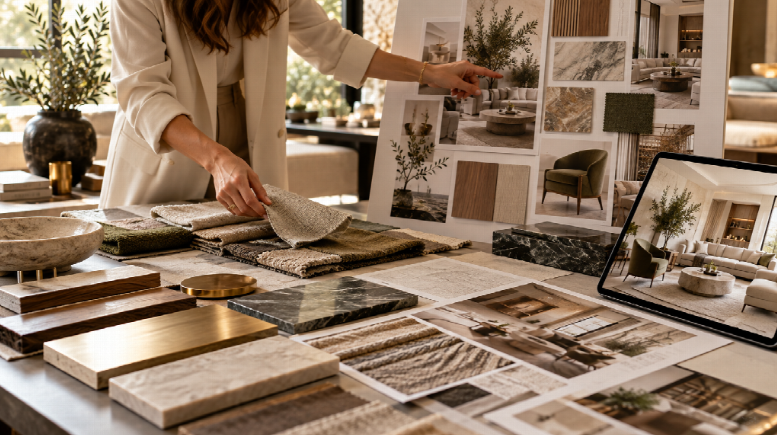
A mood board can capture atmosphere, color, texture, and visual direction, but it does not always explain how those ideas will become a real room. Clients may love the references and still feel unsure about the result.
A strong design presentation closes that gap. It connects inspiration with lifestyle, materials, furniture, light, and space so the client can see how each choice supports the concept. The goal is not to show more images. It is to make the design story easier to understand and trust.
Begin With the Client Story
Before showing finishes or furniture, return to the client. A concept becomes clearer when the presentation starts with how the space should support daily life.
Ask what the room needs to feel like, who uses it most, and which moments matter. A living room for frequent entertaining may need a different balance from one built around quiet family time. One short concept statement can keep the presentation grounded, such as, “A calm, layered room that feels polished for guests but comfortable for everyday life.”
Turn the Mood Board Into Design Principles
A mood board should not ask the client to interpret a wall of beautiful references. The designer can translate those images into a small set of principles that explain the direction.
Soft contrast might mean warm neutrals with darker accents. Natural texture could guide the use of stone, linen, wood, and wool. Quiet drama might come from sculptural lighting or art rather than excess decoration. These principles give the images a purpose and show why different references belong together.
Show the Journey From Reference to Room
Inspiration becomes more convincing when the client can see how it turns into a practical choice. A fashion image, hotel interior, landscape, or piece of art may shape the project, but the connection should be clear.
A tailored camel coat might suggest warm, understated elegance. That idea could lead to leather, wool, and warm oak, then appear in an armchair, cabinetry, or upholstery. The reference is not copied. It is translated into a material and spatial language that suits the home.
Organize the Presentation Around Decisions
Clients do not need to approve every detail in one meeting. A clear presentation separates the choices that matter now from those that can wait.
Begin with the overall direction, palette, and mood. Then move to anchor decisions such as flooring, key furniture, lighting, or major finishes. Supporting details can come later. This order keeps the conversation focused and prevents a small accessory choice from distracting from the larger concept.

Present Materials as Relationships
Material samples are easier to understand when shown together rather than as isolated selections. A marble slab may be beautiful on its own, but the client needs to see how it works beside cabinetry, fabric, metal, and flooring.
Show the relationships that create the room. Textured fabric may soften polished stone. Warm wood may balance a cooler metal finish. A rug can connect furniture and flooring. Explain what each material contributes rather than simply listing products.
Use Hero Images With Care
Large reference images can create an immediate emotional response, but they can also confuse clients if every element looks like part of the proposal.
Guide the eye by explaining what matters in the image. Instead of saying, “We love this room,” say, “The important reference here is the balance between dark wood, soft upholstery, and warm natural light.” That clarification keeps the discussion on the design principle rather than on objects that may never appear in the final space.
Show Enough Choice to Build Confidence
Clients usually want to feel involved, but too many options can make the design look unresolved. A better approach is to present one preferred direction and one realistic alternative when a choice truly matters.
Explain why the preferred option supports the concept more strongly. The client can then respond to a clear recommendation instead of sorting through a catalog of possibilities. This gives them room to participate while preserving the designer’s point of view.
Build the Deck Around a Visual Rhythm
The presentation itself should reflect the calm and clarity of the concept. Alternate broad mood slides with detailed pages for materials, furniture, lighting, and room applications. That rhythm helps the client move from feeling to detail without becoming overloaded.
Once the narrative, imagery, and material choices are clear, an AI slideshow maker can help organize the content into an initial visual sequence that the designer can refine before the meeting. The tool can support structure and pacing, but the designer still decides what belongs, what needs emphasis, and what should be removed.
Make Each Slide Answer One Question
A crowded slide usually means too many ideas are competing for attention. Give each page one job.
One slide might answer, “What should this room feel like?” Another might explain, “Why this palette?” A later page can show which material anchors the room or which choice needs approval. When the purpose is obvious, client feedback becomes more specific and the meeting moves faster.
End With Clear Next Steps
A design presentation should finish with more than enthusiasm. Summarize what has been approved, what still needs a decision, and what the designer will refine next.
Note any samples, drawings, sourcing work, or technical development that will follow. Set the next review point if possible. This turns the presentation into a useful project tool and reduces confusion after the meeting.
Wrapping Up
A strong interior design presentation does more than prove taste. It shows why the concept suits the client and how inspiration becomes material, furniture, light, and spatial decisions.
When the story is clear, the client can see the room as a complete idea rather than a collection of attractive references. That clarity builds confidence, makes feedback easier, and helps the project move forward with fewer misunderstandings.
More to Love!
The 8 Best Ways to Layer Texture Like a Professional Interior Designer
The Art of Effortless Luxury In Today’s Interior Design