SUBSCRIBE


The Rise of Sleep-Focused Wearables in Modern Self-Care
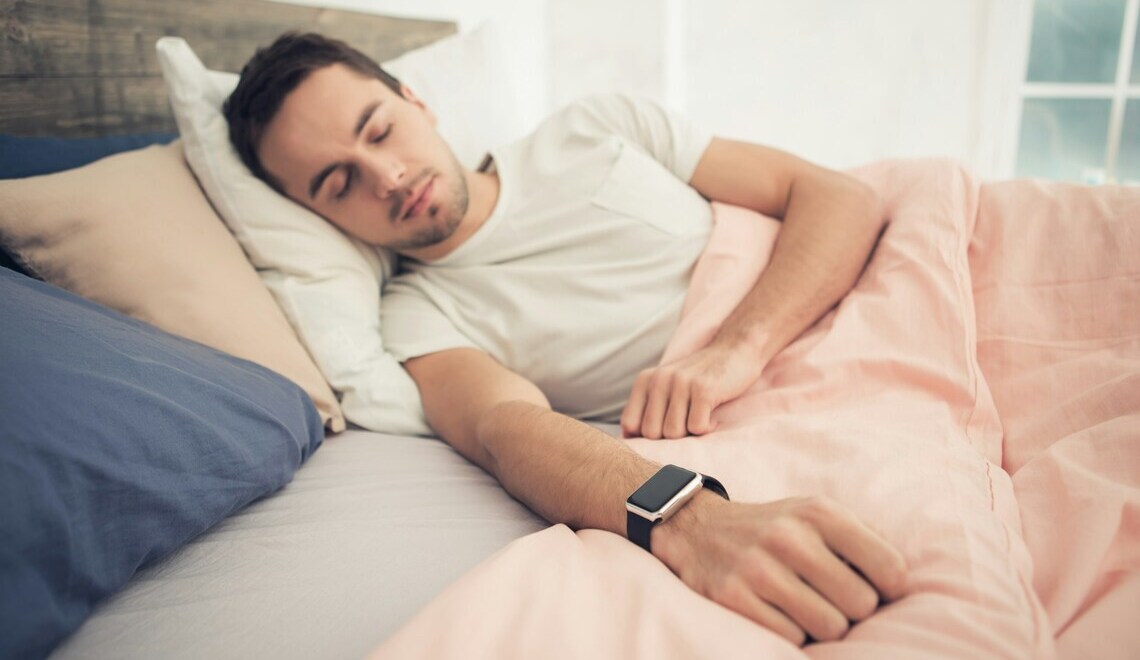
A sleep tracker can tell you that you spent six hours and forty minutes asleep, estimate how much of that time was deep sleep, and give you a score before you’ve had your morning coffee. What it can’t necessarily tell you is how to make tonight different. For someone whose evenings are consumed by work, screens, and unfinished plans, another detailed report may offer little help with the part of sleep that feels most difficult.
That limitation is helping reshape sleep-focused wellness technology. Alongside rings and watches that monitor the night, newer wearables offer guided breathing, biofeedback, and timed stimulation sessions before bed. The distinction goes beyond technical features. One type of device helps users understand their habits; another gives them something specific to incorporate into their evening.
For readers interested in modern self-care, this creates a more interesting buying decision than choosing the device with the most sensors. The question is which technology addresses a recognizable problem without making bedtime more complicated.
Why Sleep Wearables Are Moving Beyond Overnight Tracking
Sleep tracking became appealing because it made an invisible part of daily life easier to observe. Smart rings and watches can estimate when someone falls asleep, how long they remain asleep, and how their nighttime heart rate changes. Viewed over several weeks, those measurements may expose patterns that are difficult to reconstruct from memory.

Consider someone who feels exhausted every Thursday morning. A ring may reveal that Wednesday evenings consistently end two hours later than other nights. That information is useful because it points to a specific change: protecting more time for sleep. But if the person already knows that late work is the problem, a more elaborate tracker cannot resolve the scheduling conflict.
The same limitation appears earlier in the evening. Someone may have an adequate sleep opportunity yet find it difficult to disengage from work or establish a regular bedtime routine. Their immediate need is not another measurement; it is a practical way to separate the evening from the day’s demands.
This is where a different category of wearable technology enters the picture. Guided breathing devices give users a pace to follow, while biofeedback wearables display physiological measurements during a structured exercise. Ear-worn electrical stimulation devices provide another approach through timed sessions rather than continuous overnight monitoring.
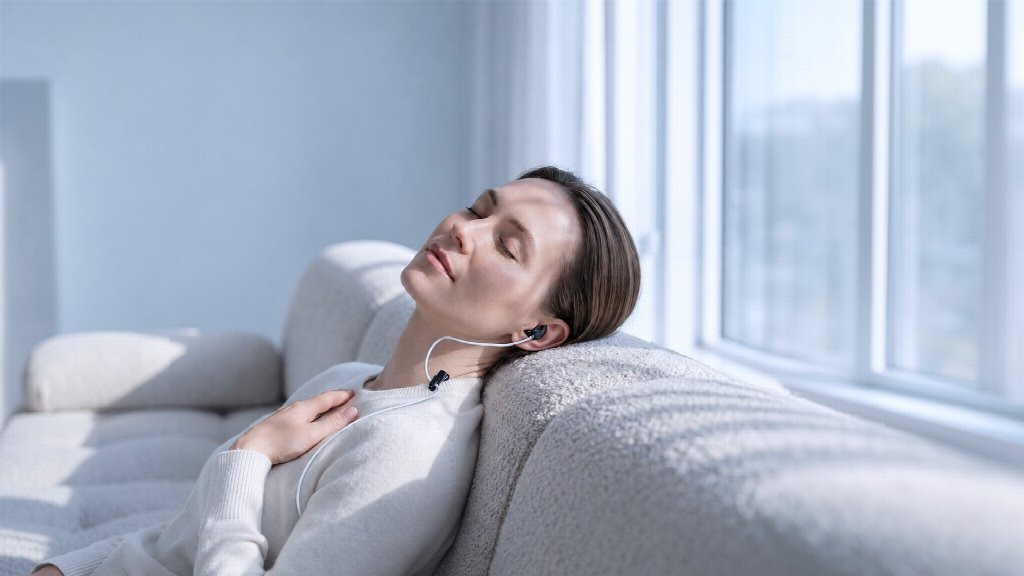
ZenoWell’s ear-worn taVNS devices illustrate this distinction. They apply electrical stimulation through selected areas of the outer ear and are designed around scheduled wellness sessions while the user is awake. For someone exploring a wearable device for an evening wellness routine, this offers a different format from sleeping with a ring or watch. It does not, by itself, establish that stimulation improves sleep; the relevant advantage is the device’s intended use and the experience it offers.
The development is not simply a move from passive to active technology. It is a widening of the available choices, allowing consumers to consider what they want a device to do before deciding what to wear.

The Different Ways Wearable Technology Fits Into a Nighttime Routine
The differences become clearer when comparing how these products are actually used. A smart ring collects information while the wearer sleeps. A guided breathing wearable requires active participation for a shorter period. An ear-worn stimulation device delivers a session that ends before the user goes to bed.
Oura is a familiar example of the tracking approach. Its ring combines measurements such as heart rate, movement, and temperature trends to estimate sleep and recovery. The discreet form is part of its appeal, although users still need to consider overnight comfort and the cost of accessing detailed insights. Its strongest practical use is recognizing repeated patterns, not changing the bedroom environment or delivering a bedtime intervention.
Apple Watch approaches sleep as one part of a broader health and activity system. For someone already using the watch throughout the day, adding nighttime tracking may be convenient. However, wearing a larger device overnight and arranging charging around sleep can be less appealing than using a smaller ring. The decision often depends on whether sleep monitoring needs to justify a separate purchase.
Pre-sleep wearables answer a different question. A breathing or biofeedback device gives someone an activity to follow instead of another report to read. Ear-worn taVNS technology uses electrical pulses applied to areas associated with the auricular branch of the vagus nerve, a sensory pathway involved in communication between the body and brain. It is being investigated in scientific and clinical settings, although consumer products differ in electrode placement, electrical settings, and intended uses.
Within this category, ZenoWell offers two distinct experiences. Vita is a simpler standalone option, with core modes operated directly on the device. Luna Plus also supports standalone use but adds optional connected features, including session history and guidance. Both are designed around approximately twenty-minute sessions, so the practical choice concerns how much control and connected functionality someone wants alongside the ear-worn experience.
This format has an advantage for people who dislike overnight wear: the session is completed while awake, and the equipment can be removed afterward. It also introduces requirements that a tracking ring does not have. Ear electrodes must fit appropriately, maintain suitable contact, and be used at a comfortable intensity according to the instructions.
Other sleep technologies provide helpful comparisons without being wearables. Eight Sleep adjusts the temperature of the sleeping surface, while Hatch uses scheduled light and sound to structure bedtime. These systems address environmental conditions and routine timing, respectively, rather than the experience of wearing a device.
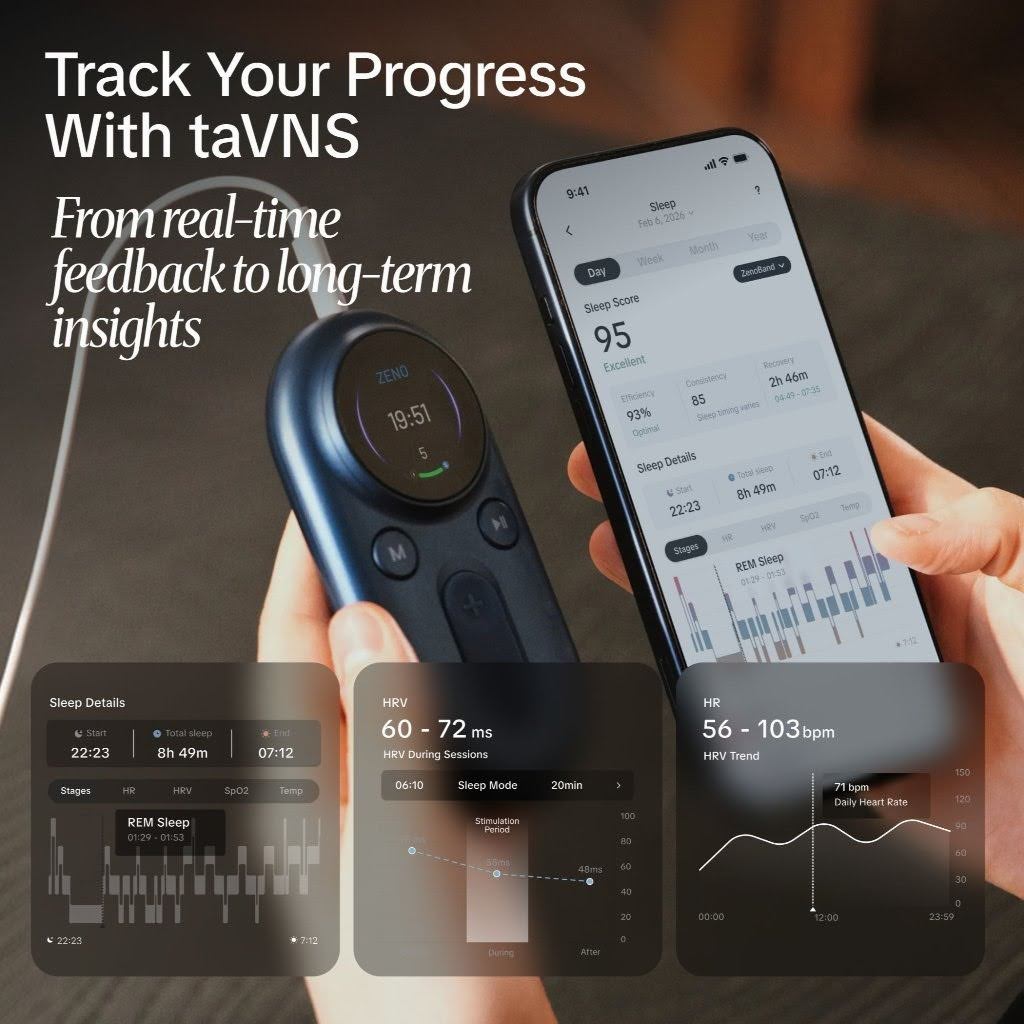
For readers who want to compare specific technologies and product features, a broader guide to smart sleep devices provides a closer look at how tracking, environmental control, and pre-sleep devices differ. Understanding those functions first makes the comparison far more useful than ranking products by their number of features.
What Sleep Data and Research Can Actually Establish
One reason sleep wearables can be difficult to evaluate is that different kinds of research are often presented as though they demonstrate the same thing. A study showing that a ring estimates sleep duration accurately is not evidence that wearing the ring improves sleep. Similarly, a study of stimulation in a clinical setting cannot establish the effectiveness of every product using the same general technology.
The limitations of tracking are relatively well documented. In a 2024 study published in Sensors, Kainec and colleagues tested five commercial sleep devices alongside laboratory polysomnography and research-grade actigraphy. Fifty-three young adults participated in a single night of monitoring. Most devices estimated total sleep time comparably to research-grade actigraphy, but the researchers identified errors and systematic biases in particular sleep measurements.
This makes longer-term patterns more actionable than individual stage estimates. If a tracker repeatedly shows shortened nights, a user can examine bedtime and wake time. A single low deep-sleep estimate, however, may reflect measurement error or normal variation and should not be treated as a diagnosis.
There is also a behavioral consideration. Baron and colleagues (2017) described orthosomnia, a proposed pattern of excessive concern with obtaining ideal sleep data. Although it is not an established medical diagnosis, it captures a potential downside of constant monitoring: someone may begin worrying about a score even when they feel reasonably rested.
The evidence for taVNS asks a separate question. In a randomized trial published in JAMA Network Open, Zhang and colleagues (2024) studied 72 adults with chronic insomnia disorder. Participants received active or sham auricular stimulation over eight weeks, with sessions lasting thirty minutes twice daily on five days each week. The active group showed greater improvement on a questionnaire-based measure of sleep quality.
That is a meaningful clinical finding for the protocol studied, but it cannot be transferred directly to ZenoWell’s consumer devices. The participant population, stimulation schedule, and treatment purpose differ from an ordinary pre-sleep wellness routine. Nor does the trial establish that a twenty-minute consumer session has the same effect as the clinical protocol.
Research can help determine whether a technology is worth investigating. A product’s actual benefits, however, need evidence that matches its design, intended use, and claims. Consumers should be wary of treating scientific terminology or references to the vagus nerve as a substitute for that evidence.
Why Design and Comfort Determine Whether a Wearable Gets Used
For a wearable intended to become part of someone’s evenings, its appearance is only the beginning of the design experience. The device must remain comfortable, be simple to operate, and require an amount of preparation that fits the user’s routine. These details can matter more after several weeks than the features that initially attracted attention.
Overnight trackers and pre-sleep devices present different comfort challenges. A smart ring must feel unobtrusive while the wearer changes position during sleep. A watch needs a comfortable strap and enough battery life for nighttime use. An ear-worn stimulation device need not remain attached overnight, but it requires an appropriate fit and consistent electrode contact throughout a timed session.
The interface deserves similar scrutiny. Some people enjoy detailed apps and want access to historical data. Others spend so much of the day working on screens that they would prefer to begin an evening session directly from the device. Standalone controls can reduce that extra step, while connected features may appeal to users who want more customization or session information.
Ownership also extends beyond the initial price. A tracking platform may charge for advanced insights. A stimulation device may require contact materials or replacement accessories. Devices with specialized charging arrangements or complicated cleaning requirements can be inconvenient, even when the hardware itself is compact.
Luxury wellness products are often judged by materials, finish, and appearance, but ease of ownership is just as important. A discreet design that looks appropriate on a bedside table is less appealing if it requires repeated troubleshooting. The more useful test is whether the product remains pleasant to use on an ordinary evening, when there is limited time and little patience for setup.
For electrical stimulation, that test must include safety. Higher intensity does not necessarily produce greater benefit, and users should follow the manufacturer’s placement, session, and precaution instructions. People with implanted electronic medical devices or certain medical conditions may need to avoid stimulation or consult a clinician before considering it.
None of these concerns makes one category universally preferable. They show why a wearable’s design needs to be considered together with its intended function and the requirements of daily use.
Which Sleep-Focused Wearable Is Worth Considering?
The most efficient way to narrow the choices is to identify where the difficulty occurs. Someone who routinely allows too little time for sleep has a different need from someone who wants a more predictable wind-down period. A person who wakes because of an overheated bed may need an environmental adjustment rather than another wearable.
| Your main concern | Technology to explore | What deserves closer attention |
| Inconsistent sleep timing | Smart ring or watch | Long-term trends, comfort, subscription costs |
| Wanting a guided activity before bed | Breathing or biofeedback wearable | Session format, ease of use, evidence |
| Interested in timed ear-worn stimulation | taVNS wellness device | Fit, controls, session requirements, safety |
| Nighttime temperature discomfort | Smart temperature-control system | Installation, temperature range, total cost |
| Difficulty establishing evening cues | Scheduled light or sound device | Automation and ease of operation |
For someone who already enjoys sleep tracking, a second monitoring device may add little. The more useful change could be acting on an existing pattern, such as an inconsistent bedtime. Someone interested in an ear-worn session should instead compare how products fit, whether they require an app, what instructions they provide, and what evidence supports the benefits they claim.
A useful buying decision also considers what a device cannot address. Persistent insomnia, loud snoring accompanied by gasping, or severe daytime sleepiness may require medical assessment. Consumer sleep technology cannot replace clinical diagnosis or evidence-based care.
The strongest case for a sleep-focused wearable is therefore specific rather than aspirational. It should answer a problem the user can identify and offer a function that is understandable before purchase. Additional sensors, modes, or connected features only matter when they make that function more useful.
A More Considered Direction for Sleep Wellness
The development of sleep-focused wearables has expanded the idea of what personal sleep technology can do. Rings and watches offer access to patterns across nights, while guided and stimulation-based wearables introduce activities that take place before sleep. Environmental systems provide another route by changing conditions in the bedroom itself.
For modern self-care, the interesting change is not the sheer amount of technology available. It is the opportunity to choose a device for a specific role, with appropriate expectations about the evidence and the everyday experience. A wearable belongs in an evening routine when its function is useful enough to justify wearing, operating, and maintaining it.
More to Love!
The Best Smart Mattresses for Sleep Quality in 2026, Judged on Verifiable Metrics
The Luxury Bedroom Upgrade That Actually Changes How You Sleep