SUBSCRIBE


A Kitchen That Looks Good Should Be Easy to Cook In
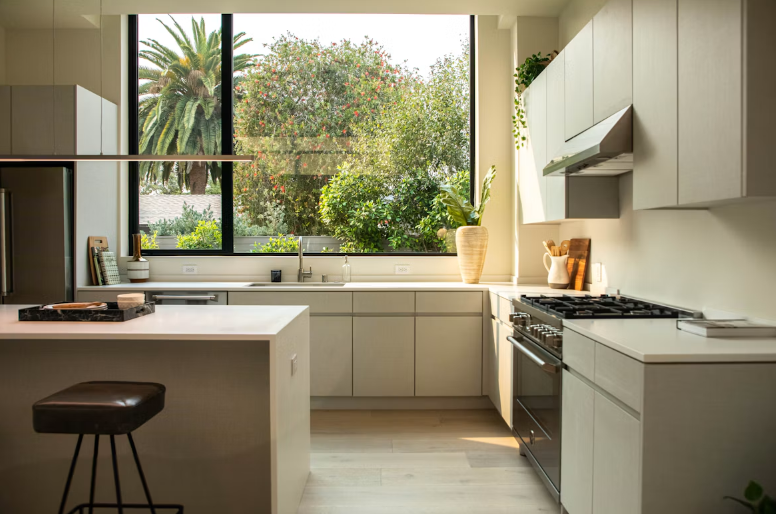
A kitchen can look beautifully resolved in a photograph and feel unsettled the moment someone starts dinner. The lighting casts a shadow across the cutting board. A decorative arrangement occupies the only place to set a hot dish. An appliance that matches the hardware is awkward to open.
The details that make a room pleasant to use deserve a place in its design. Consider how the kitchen changes through the day, from coffee to cooking to the last dishes. That activity can guide an attractive arrangement with fewer compromises.
Notice What Stays in View
Most kitchens contain a mix of permanent fixtures and objects that move throughout the day. Cabinets and counters provide the backdrop; appliances, dishes, towels, and ingredients create the changing foreground.
Look at the room after breakfast and again during dinner preparation. Which objects remain on the counter because you use them frequently? Which are there because no suitable storage exists? The distinction helps you decide what to display, relocate, or remove.
Everyday equipment can contribute to the design when its placement feels deliberate. Give it enough space to function, then relate its color or finish to an element already in the room. Repeating every finish precisely is unnecessary.
Leave some uninterrupted surface visible. It provides room for real work and keeps the arrangement from depending on every object being perfectly aligned.
Start Material Choices with Maintenance
A finish that looks appealing in a showroom may behave differently around water, oil, heat, and frequent handling. Consider the cleaning instructions and the marks you are willing to manage.
The same applies to countertop equipment. The COSORI Iconic stainless steel air fryer offers an example of an appliance whose stainless steel structure can relate visually to other kitchen finishes. Its cooking surfaces are ceramic-coated; the exterior material should not be taken as a description of every internal part.
Look beyond the finish to the parts you will handle. Can you grip the drawer comfortably? Is there space to remove and clean the basket? Can you see and use the controls from your normal position?
A coherent kitchen does not require hiding every sign of cooking. A useful appliance in an intentional position often feels more settled than one that must be pulled from storage and wedged into an unsuitable space each evening.
Let the Working Areas Determine the Arrangement
Observe where ingredients enter the room, where they are prepared, and how they reach the cooking area. Then follow the route to plates, the table, and the sink.
Keep those movements reasonably clear. A vase or utensil crock may look right beside an appliance but become an obstruction when you carry a hot tray. Move it before accepting the inconvenience as inevitable.
Create a suitable heat-resistant landing space near equipment. Follow each appliance’s ventilation and placement instructions, including required distances from walls and cabinetry. Decorative screens and enclosed storage should not obstruct operation.
If equipment is stored between uses, give it a safe, practical destination. A heavy item at the back of a low cupboard may be so inconvenient to retrieve that it gradually becomes a permanent counter resident.

Plan the Light Where Your Hands Work
General lighting can make the room bright while leaving the preparation surface in shadow. Stand at the counter and check whether your body blocks the main light.
Well-placed task lighting can help you see ingredients, controls, and cleaning needs. Position it for the actual work surface, and use fixtures appropriate to their location. Electrical additions or changes should be handled by a qualified professional.
For an open-plan kitchen, think about what happens after cooking. A separate lighting circuit or suitable dimming arrangement can let the preparation area remain useful while the dining area feels more comfortable.
Avoid relying on mood lighting for tasks involving sharp tools or hot food. The room can change atmosphere after the work is finished.
Make Room for the Way You Host
A kitchen used mostly by one person on weekdays may also need to accommodate friends at the weekend. Plan where drinks, serving dishes, and finished food will go before everyone gathers.
A separate drinks area can reduce traffic through the preparation zone. Keep guests from reaching across cooking equipment for a glass or bottle. If there is no separate surface, place drinks somewhere accessible before cooking begins.
For a menu involving a tray-baked dish, COSORI air fryer toaster ovens represent one countertop format to consider. Match the specific model’s cooking space to the dish and cookware, then allow for door movement and safe tray handling. Extra functions do not remove the need for an appropriate layout.
You do not need additional equipment merely to host occasionally. Plan a menu that fits the tools and space available, with cold or make-ahead components to reduce last-minute congestion.
Give the Room an Easy Return to Order
Storage works best when used objects have nearby destinations. Keep everyday dishes close to where they are unloaded, frequently used utensils close to preparation, and cleaning supplies safely separated from food.
A drawer organizer should make items easier to retrieve and return. If maintaining an arrangement requires elaborate stacking, simplify it. Practical storage helps the kitchen recover after use without a long styling session.
Finish by checking the room during an ordinary meal. Open the drawers, carry a plate, put a pan down, and wipe a surface. Adjust the objects that interfere.
A kitchen’s appearance becomes more convincing when it supports the life taking place in it. The clearest evidence is a meal prepared comfortably and a room that is easy to use again tomorrow.
More to Love!
Kitchen Essentials Worth Investing in for the Long Term
Timeless Kitchen Design: How to Build a Kitchen That Won’t Date