SUBSCRIBE


Maximalist Style and Biographical Interior Design with Katie Gutierrez
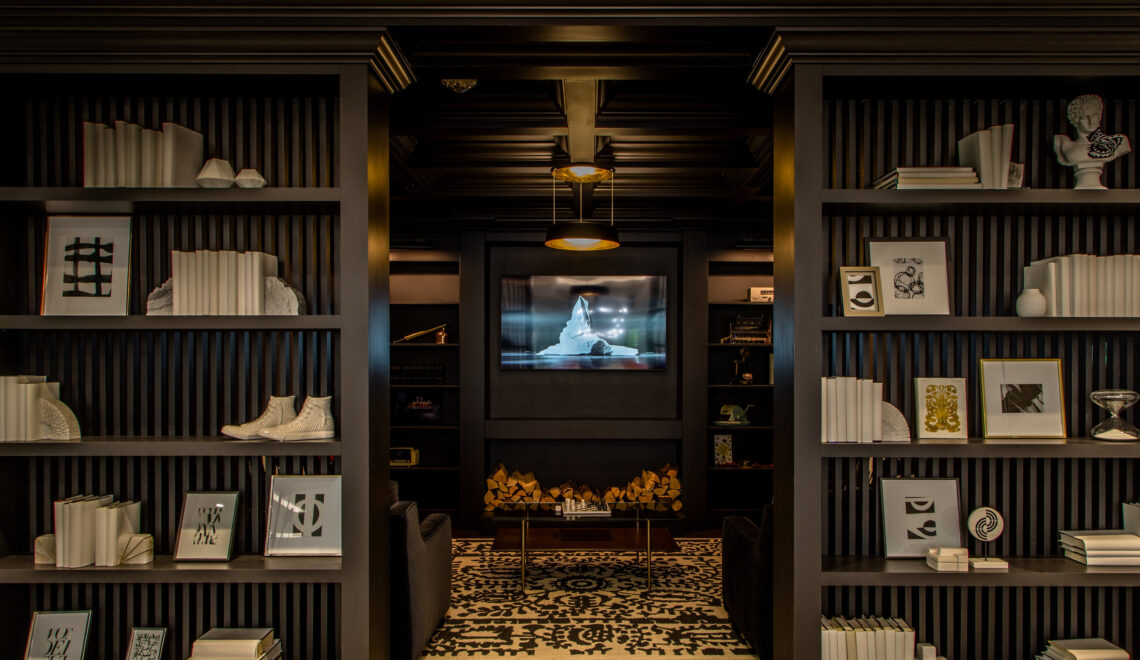
In this Love Happens interview, we sit down with Katie Gutierrez, co-founder of Errez Design, the acclaimed Miami-based interior design firm she leads alongside her husband, Ruben Gutierrez. Known for their innovative “Biographical Design” approach and maximalist style, the duo has crafted bespoke interiors that truly capture the essence of their clients. With a portfolio that spans residential and commercial projects across Miami and globally and features in prestigious publications like Architectural Digest and House Beautiful, Katie shares insights into how she turns design into a personal experience, shaping spaces with thoughtfulness, fun, and meticulous attention to detail.
An LH Interview with Katie Gutierrez of Errez Interior Design
Love Happens Mag: Can you start by explaining how your process differs from traditional design approaches?
Katie Gutierrez: Biographical Design is a process we’ve been honing over the past 15 years. It’s about discovering our clients’ personal narratives and extracting six key pillars of information to reflect in their space. Our maximalist style requires a layered approach to space-making, incorporating multiple facets of each person. No one is just one thing, and people have many sides to themselves. I believe your home should reflect that complexity, playing different roles in a person’s day, depending on which part of themselves they feel like expressing.
When a person’s story is represented in their space this way, they feel deeply connected to their surroundings. This connection helps increase their self-expression and authenticity. I find that people gain more confidence and are more likely to thrive when they have the permission to be authentic.
LH: It sounds like maximalist design intertwines deeply with personal narratives. How do you handle situations where clients have complex or conflicting stories they want reflected in their spaces?
Katie: It’s not uncommon to encounter complex or conflicting stories, especially when more than one person is sharing a space. For instance, we had a couple where the wife was a New York fashionista, and the husband was a Southern country boy. We created a coffee table from a tree stump to represent his southern roots and then gold-leafed it to reflect her glamorous side. This piece became a beautiful symbol of their union and brought more meaning to their space.

LH: You mentioned a method of extracting six key pieces of information required for Biographical design. Can you tell us more about that?
Katie: Yes, we’ve developed a scientific, six-point system called the SPIRIT method to ensure that each person feels represented. The acronym SPIRIT stands for–
Structure and Space Use: This involves the architecture and physical form of the space, as well as how someone intends to use it.
People and Preferences: We consider who lives in the home and their preferences. We play a fun game called ‘This or That’ to get split-second decisions from our clients on various design elements. So we have them quickly choose between, say, ‘leather or lace’ or ‘velvet or linen’ or ‘brass or silver.’ They have to choose in a few seconds, which ensures that their answer is coming from an authentic, gut reaction.
Introspection and Insights: Introspection has a lot to do with your personality at large. So we ask things like, “Are you outgoing or more introverted?” or “Are you organized or are you messy?” These kinds of personality traits have to be reflected in a person’s space. If they’re not, then there can be friction with who they are and our goal is to remove as much of that friction as possible.
Recreation: We look at how clients spend their leisure time, their hobbies, and how they entertain. One of our client’s favorite childhood memories is of playing billiards with his father. Every house we’ve designed for this client has a billiards room because he wants to continue to cultivate his relationship with his father whenever he visits. Moreover, these rooms are now also a place of legacy for him as he teaches his children to play pool.
Identity: This involves how someone outwardly expresses themselves, often through fashion. If we have a client that lives in yoga pants, we’re going to design the space a lot differently than for a client that has an entire closet filled with designer shoes.
Tradition: We learn about our client’s heritage, cultural practices, and how they celebrate holidays and other traditions. This allows us to design spaces that create environments where cherished traditions can be celebrated and passed down– like one room we designed for a past client completely focused around their beloved Christmas tree.
LH: Can you share a story where a client’s initial vision for their space drastically changed through the Biographical Design process?
Katie: Clients almost always come with ideas influenced by external sources like magazines or realtors emphasizing resale value.
We worked with a couple who initially wanted a white kitchen. As we came to know them better and discovered their story of surviving a life-threatening situation, all of us felt like a white kitchen wasn’t the thing that honored the incredible intensity and sacredness of their family dinners.
Using a principle in chromotherapy– that deep, dark colors evoke feelings of groundedness, nesting, and safety– we boldly suggested a dark blue kitchen to honor the sacredness of their family dinners. Blue also evokes feelings of peace and calm, and they embraced this idea, allowing us to create a kitchen that felt therapeutic and resonated with their values and traditions.

LH: How do you ensure that the spaces you design with maximalist style remain timeless and meaningful, rather than just capturing a fleeting moment in your clients’ lives?
Katie Gutierrez: We focus on creating spaces that reflect the entirety of a person’s life and their future aspirations. By layering meaning, patterns, textures, and colors that pair with their identity, we create spaces that have longevity. It’s not just about the present moment, but also about honoring the past and looking forward to the future. This layered approach makes the design timeless and deeply personal. When people come home and feel like the space doesn’t represent who they are, it can be draining to their spirit.
In terms of resale value, we biographically designed a unit in a condo building with pink lacquered ceilings and gold wallpapers– elements that wouldn’t be considered to have broad appeal and that unit still later sold for more per square foot than any other in the building.

LH: What role do you think Biographical Design can play in larger communal or public spaces? Can personal stories be woven into these environments effectively?
Katie: Biographical Design is crucial in public spaces as it brings intentionality and meaning. For example, we’ve worked with OrangeTheory Fitness to create environments that emphasize why people exercise, encouraging the meaning behind their workouts.
We designed a ‘Why Wall’ with icons representing personal motivations, which light up when members enter the studio.
So, it’s about strengthening your legs so that you can hike with your dog. It’s about training on the rowing machine so that you can be in the pool with your kids and have the ability to throw them up in the air. This constant reminder of each member’s personal goals creates a meaningful connection to the space.
We also designed OrangeTheory’s global headquarters with symbolic orange trees growing out of every workstation to signify to employees that they are the life force of the company. One of the main goals of this project was making sure everyone felt connected and valued within the organization.

LH: What advice would you give to someone looking to incorporate elements of a maximalist style into their own home on a budget?
Katie Gutierrez: First, give yourself permission to break away from the ‘status quo’ and focus on what truly resonates with you. Finding your own maximalist style starts by answering the question, ‘Who am I, and what’s important to me?’ Create a self-concept with guiding images, words, colors, materials, and patterns that reflect your identity. Stick to these elements when making design decisions. This approach ensures your space will authentically represent who you are, regardless of budget.
LH: How can aspiring designers implement a Maximalist Style and Biographical Design principles into their work?
Katie: Aspiring designers should give themselves permission to break the mold and focus on authenticity over resale value. They need to understand their own identity and create a self-concept with images, words, colors, materials, and patterns.
Once they have a clear vision of themselves, they should engage in introspective conversations with clients to understand their stories and values. By staying true to these principles, designers can create meaningful, lasting designs that resonate deeply with those who inhabit the spaces.
Explore more of Katie Gutierrez and Errez Design at errezdesign.com!
Interview by Matt McGarry
All Photos Courtesy of Errez Design
More to Love!
Design & Decor Advice for the Aspiring Luxe Maximalist
Achieving Maximalist Luxury in Your Home’s Interior Design