SUBSCRIBE


What Makes an Exceptional Landscape Designer in 2025?
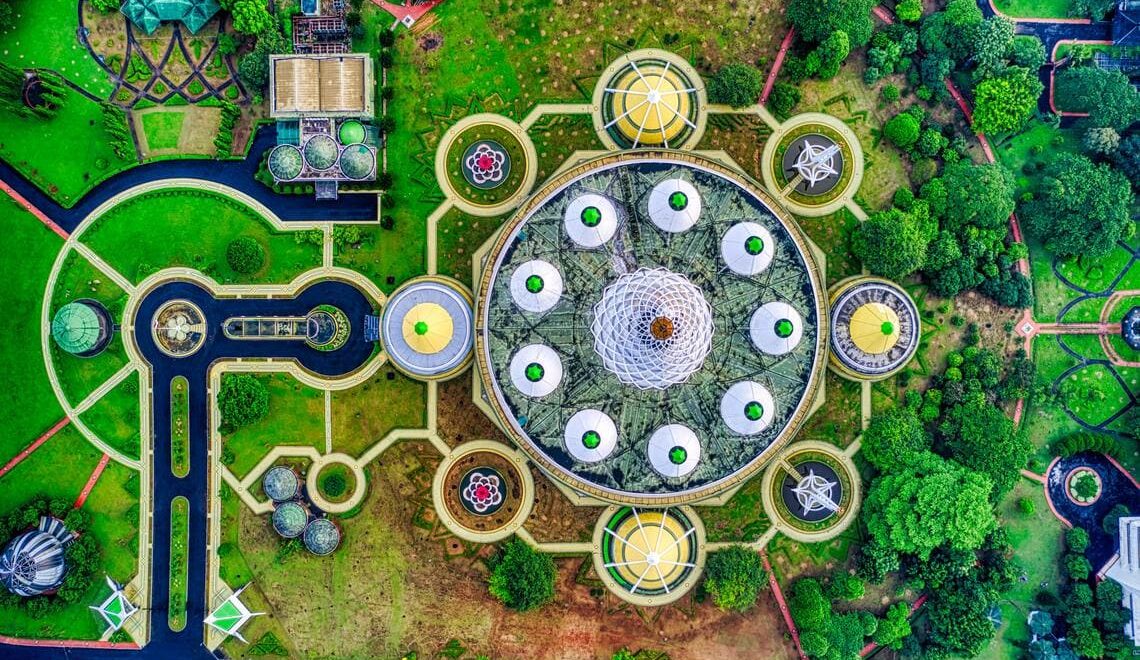
A great landscape designer blends art, science, and leadership to transform spaces into inspiring environments.
The role in 2025 requires a range of interconnected and overlapping skills. With that in mind, here’s a look at what it takes to stand out in this competitive space.
Creative Vision
Exceptional landscape designers don’t just see spaces; they envision possibilities. They understand how to combine colors, textures, and shapes to create harmony.
It’s like arranging a puzzle where each piece, including plants, structures, and pathways, forms a complete picture. This skill demands foresight to anticipate how designs evolve over time.
Part of becoming an expert landscape designer is learning how to factor in purpose. Whether it’s relaxation or entertainment, specialists must ensure every element serves the space’s goal.
Mastery of Materials
Knowing materials is crucial for a landscape designer’s success. Each plant, stone, and surface reacts differently to weather, soil, and time.
It’s the same as choosing tools for a project, as you need the right fit. Designers must know which plants thrive in shade or drought-resistant surfaces for high-traffic areas.
Sustainability adds complexity to this aspect of landscape design, as it’s a trend that’s impacting every industry niche from fashion to construction. Selecting eco-friendly materials that endure while minimizing environmental impact has become standard practice.
Expert knowledge of these elements helps designers craft spaces that look stunning now but also remain resilient over decades.
Project Leadership
An exceptional landscape designer leads projects with clarity and confidence. It involves creating a plan and also ensuring every detail aligns during execution.
Strong organization keeps timelines and budgets intact. Communication skills are equally vital, whether coordinating with contractors or explaining choices to clients. Designers also manage unforeseen changes like weather delays or material shortages.
Effective leadership is a process of balancing creativity with practicality for seamless project delivery that meets client expectations.
Sustainability in Design
As we touched on earlier, sustainability is now central to the $360 billion landscaping market. Designers incorporate eco-friendly practices like native plant use, rainwater harvesting, and permeable paving.
It’s like designing a system that works hand-in-hand with nature. These choices reduce environmental impact while maintaining functionality and beauty.
Energy-efficient lighting, pollinator-friendly gardens, and minimal irrigation are becoming standard features.

Empathy for Clients
Exceptional landscape designers prioritise clients. They listen carefully to understand their needs, preferences, and lifestyles before crafting a design.
Whether it’s accommodating accessibility or creating child-friendly areas, empathy ensures designs align with real-world use.
Clear communication also builds trust throughout the process. Designers who welcome feedback and adapt ideas end up with stronger client relationships. That’s good for business, as much as anything else. And since empathy is something you can learn, it’s worth working on if you feel that it is a shortfall at the moment.
Adapting to Trends and Technologies
The best landscape designers stay ahead by embracing new trends and tools. Smart irrigation systems, automated lighting, and augmented reality for design previews are shaping the field.
All this technology enhances precision and efficiency. Designers also respond to evolving tastes, incorporating minimalist styles or edible gardens.
Flexibility is key. Shifting climate conditions or material innovations demand quick adaptation without compromising quality.
Coping with Challenges
Landscape designers face increasing demands in 2025. Climate unpredictability, rising costs of materials, and tighter regulations create hurdles.
Unexpected obstacles require quick thinking. Designers solve these issues with thorough planning, alternative material options, and sustainable practices.
Client expectations also push creativity. Balancing bold designs with practicality calls for innovative problem-solving.
Staying informed on industry advancements and leaning into collaboration makes these challenges into opportunities to shine. Exceptional designers tackle these difficulties head-on to deliver projects that satisfy both clients’ visions and environmental considerations in today’s dynamic landscape design field.
Wrapping Up
To excel as a landscape designer today, you must combine creativity, leadership, and technical knowledge to craft functional, sustainable spaces.
Leading lights in this field connect deeply with clients while adapting to modern challenges and technologies. This versatility defines their success.
Mastering these evolving skills lets designers transform outdoor environments into lasting experiences that enrich lives and respect the planet. It sounds like hyperbole, but all of these aspects really do make a big difference.
Feature Image by Tom Fisk
More to Love!
Home Garden Pro Tips by Chelsea Barracks Landscape Designer
Update Your Calendar With These Winter 2025 Events for Fashion, Interior Design & Luxury Lovers