SUBSCRIBE


Stained Glass and Decorative Panels Explained
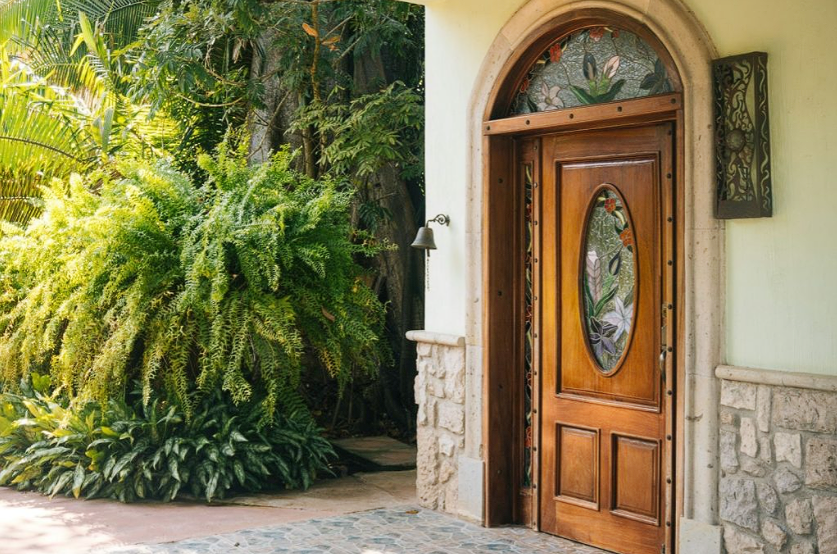
Windows and doorways do more than admit light. They articulate style, reveal craftsmanship, and reflect the history embedded within architectural traditions. Decorative glass has long played a pivotal role in elevating otherwise functional openings into features of visual interest and cultural resonance.
Exploring Victorian front doors provides insight into the artistry and symbolism embedded within stained glass and patterned panels. These entrances often incorporate intricate designs that not only complement their architecture but also tell a story of social values and aesthetic priorities from a bygone era.
Origins of Stained Glass
The roots of coloured glass extend to medieval Europe, where artisans infused molten silica with metallic oxides to produce vibrant panes. Initially, these techniques served religious purposes, illuminating cathedrals with scenes from sacred texts.
Gradually, decorative glass migrated into domestic architecture. By the nineteenth century, stained glass had become a popular way to display wealth and taste in private residences. Patterns ranged from geometric motifs to floral and heraldic imagery, each chosen to convey refinement.
Traditional Patterns and Their Meanings
Repeated motifs often carry symbolic significance. Roses, ivy, and vines suggest growth and renewal, while geometric arrangements represent harmony and balance. Abstract shapes sometimes indicate artistic innovation or individual preference.
Design choices could also reflect regional styles. English cottages favoured simpler arrangements, emphasising natural light, while urban townhouses displayed more elaborate panels with rich colour saturation. Understanding these conventions illuminates the cultural context of each pattern.
Techniques in Craftsmanship
Artisans employed several methods to achieve complex effects. Leading involves joining pieces of coloured glass with strips of metal, creating distinct outlines. Painted glass adds shading and depth, often firing pigments onto the surface for permanence.
Etching and acid treatments produce texture without altering colour, allowing subtle highlights to emerge. Layering multiple panes increases dimensionality, giving doors and windows a luminous quality when struck by sunlight.
Integration with Door Design
Panels integrate seamlessly into door construction, serving both aesthetic and functional purposes. Central inserts or sidelights can draw attention, complementing woodwork and framing.
Victorian front doors frequently feature small panes arranged in symmetrical patterns, balancing transparency with privacy. Contemporary adaptations maintain this principle while incorporating modern materials and energy-efficient glazing.
Colour and Light Interaction
The selection of hue profoundly affects the atmosphere. Deep reds, blues, and greens create warmth and intimacy, whereas lighter tones increase brightness and highlight intricate detailing.
Natural illumination transforms each panel throughout the day. Morning light softens subtle pastels, while afternoon sun intensifies richer shades. Positioning panels strategically ensures optimal interaction with ambient light, enhancing the home’s visual appeal.

Modern Applications and Adaptations
Today, stained glass continues to evolve. Designers combine traditional aesthetics with contemporary manufacturing, producing durable, low-maintenance panels suited to modern lifestyles. Digital patterning allows intricate designs without compromising structural integrity.
Customisation enables homeowners to reflect their personal taste. Motifs may incorporate family emblems, abstract art, or historical references, bridging past and present. Functionality and artistry coexist, ensuring that panels remain both decorative and practical.
Preservation and Maintenance
Maintaining historic or bespoke glass requires attentive care. Regular cleaning with gentle solutions preserves clarity without damaging leading or painted surfaces. Protective coatings can reduce exposure to weathering, prolonging lifespan.
Repairs often demand specialist knowledge. Replacement pieces must match the original colours and textures to maintain authenticity. Experienced craftsmen ensure continuity, preserving both beauty and heritage.
Cultural Significance
Beyond their visual charm, decorative panels convey historical narratives. They illustrate technological advances, social aspirations, and artistic trends. Each motif embodies the tastes of its era, creating a tangible connection to the past.
Educational value extends to architectural study and restoration. Awareness of stylistic conventions informs decisions about renovation, reproduction, and interior design, enabling sensitive integration of historical elements.
Wrapping Up
Stained glass and decorative panels transform ordinary openings into storytelling elements. Traditional patterns, skilfully executed, enrich façades, interiors, and the overall experience of a home.
Balancing heritage and modernity, these features demonstrate that functional structures can carry cultural and artistic significance. Attention to design, colour, and craftsmanship ensures that each door or window becomes more than an entrance—it becomes a lasting symbol of style, history, and human creativity.
More to Love!
Your Front Door – Entry to Your Sanctuary and Exit into the Real World
How Do Large Windows Improve the Flow of Natural Light in Open-Concept Homes?