SUBSCRIBE


Window Box Wonders: Maximize Small Spaces with Vertical Gardening
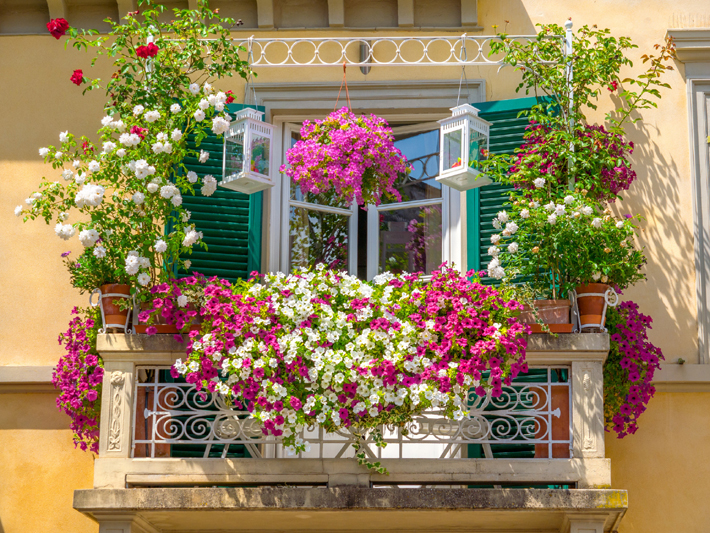
In the heart of the urban jungle, where space is often limited, gardens may seem like a far-fetched dream. However, for those who have a love for greenery and an itch to cultivate their own Eden, there’s a solution that’s both efficient and creative: vertical gardening using window boxes. Vertical gardening is a technique that maximizes small spaces by growing plants upwards rather than outwards. The result? A lush, green oasis that breathes life into your home without taking up too much space.
1. Selecting and Installing Your Window Boxes
The initial step toward your vertical garden involves the selection of the right window boxes. These boxes form the fundamental base for your garden and serve as the backdrop to your lush creation.
Consider the size of your windows to ensure a proper fit for your boxes. The durability of the materials is also crucial. Choose containers robust enough to support the weight of soil and water and resilient enough to endure the elements if placed outside. The boxes need adequate drainage to avoid waterlogging, which could damage your plants’ roots. Pre-made boxes are available for purchase, but DIY enthusiasts might enjoy crafting their own for a unique touch.
In addition to selecting the right boxes, knowing the right steps for window box installation are also key to building a successful vertical garden. Make sure the boxes are securely fastened to your window or balcony, able to support the weight of the soil, water, and plants they will hold. Proper installation will prevent potential damage and provide a sturdy foundation for your verdant display.
2. Strategic Plant Choices
Just as an artist has a palette, in the world of vertical gardening, your array of plants will be your medium. The growth habits of plants are a key factor when deciding what will decorate your window boxes. Vines, climbers, and trailing species are ideal choices. Small plants with minimal root space requirements also fare well.
Herbs such as basil, parsley, and rosemary are good options, as are succulents like sedum or echeveria, which require little water and grow at a measured pace. Small flowers can introduce a dash of color to your window boxes—marigolds, petunias, or pansies are worthy candidates.
While choosing your plants, don’t forget to consider their sun and water needs. It’s advisable to group together plants with similar requirements in a single box to make maintenance manageable.
3. Smart Plant Layering
Just as a well-curated gallery wall is meticulously planned, so should your vertical garden be. Start by positioning taller plants towards the back of your window boxes. This visually appealing backdrop also ensures these plants do not overshadow the smaller ones up front.
Add medium-sized plants next, ensuring they are positioned so as not to be concealed by the taller plants. Lastly, at the front of the box, place your smallest plants. This arrangement gives a full, lush look to your window boxes and guarantees all plants have access to sunlight.

4. Employing Trellises or Supports
Some plants may require a little help to grow upwards, particularly those naturally inclined to spread outwards. For these, installing trellises or other supporting structures is recommended. Trellises guide their growth upwards, conserving space while maintaining vertical appeal.
Support structures can also contribute an architectural element to your garden, marrying botany and design. Feel free to experiment with various structures to find what complements your space and aesthetic best.
5. Routine Maintenance
Once your window box garden is in place, it’s critical to maintain it. Regularly prune your plants to prevent them from outgrowing your boxes. This aids in preserving a neat appearance and ensures your plants are not overburdening the boxes with excessive weight.
Water your plants sufficiently but avoid overwatering. Window boxes typically have less efficient drainage compared to traditional gardens, and over-saturated soil can lead to root rot. Depending on your plant selection, fertilization may be necessary to provide them with essential nutrients.
6. Incorporating Edible Plants
Think about the utility in addition to the aesthetics of your window box garden. By choosing edible plants like herbs, leafy greens, or even strawberries, you create a visually pleasing green space that also yields produce.
This approach not only underscores sustainability but also introduces a new level of interaction with your vertical garden. Picture plucking fresh mint for your tea directly from your window box or garnishing your salad with homegrown cherry tomatoes. This “garden-to-table” concept can enhance your culinary endeavors and instill a sense of accomplishment in your horticultural pursuits.
7. Aesthetic Considerations
Visual appeal is another essential factor when designing your vertical garden. Strive for harmony in your window boxes; the colors, textures, and growth patterns of your plants should blend and contrast in a way that is visually engaging.
For instance, a box populated with plants having similar hues and textures might look monotonous. Introducing a splash of contrasting colors or a plant with a different texture can disrupt this monotony and create a visually stimulating display.
Plan for seasonal changes when selecting your plants. Incorporate some that stay green year-round and others that change with the seasons. This strategy guarantees your window boxes retain their charm regardless of the time of year.
Wrapping Up
Vertical gardening through window boxes turns a compact corner into a lively, thriving green area. This approach paints a natural landscape that stretches upwards, encapsulating the essence of nature in a vertical tapestry. As you delve into the world of vertical gardening, remember that the ultimate goal is to cultivate a garden that brings you joy and tranquility. Relish the process of crafting your window boxes, and watch as your vertical garden grows, blooms, and thrives.
More to Love!
Seamlessly Connecting Indoor & Outdoor Spaces
Biophilic Design: The (New) Hanging Gardens of Babylon