SUBSCRIBE


How to Make the Fourth Trimester a Little More Bearable
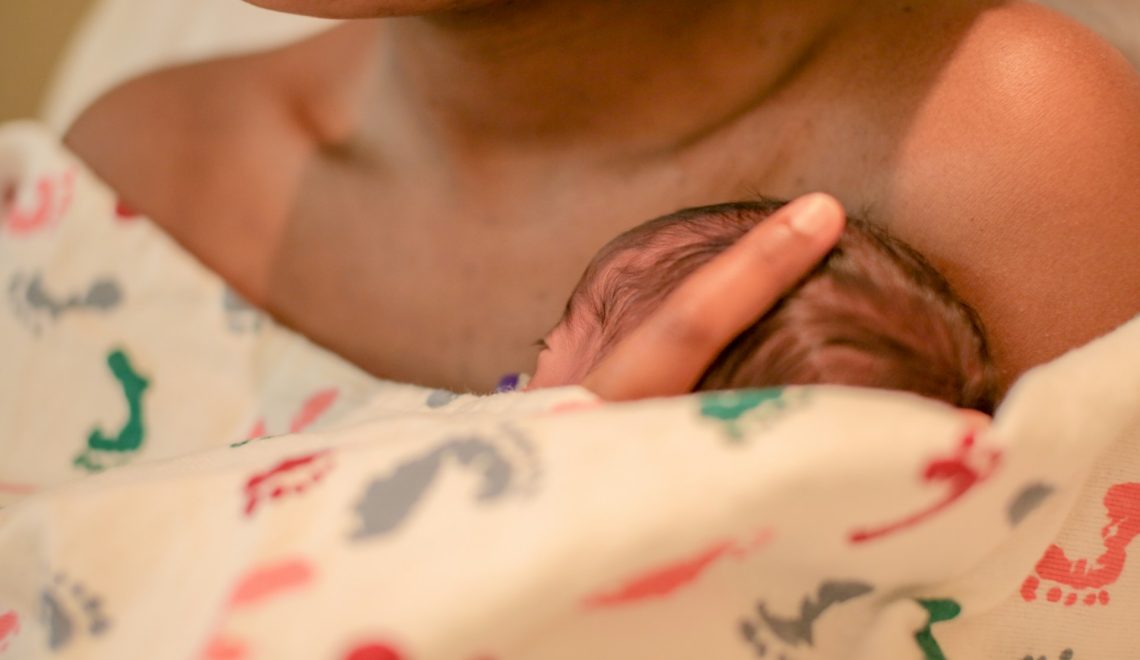
Everyone talks about the birth and even the mental wellness while you’re still pregnant. There’s the bump, the scans, the due date. But what happens after the baby arrives? The part after, known as the fourth trimester, is a little quieter, a little lonelier, and frankly, a lot messier than most people admit. The truth is, those first few weeks after giving birth can feel like a whirlwind of hormones, sleep deprivation, and sudden responsibility. It’s beautiful, yes, but it’s also hard. Like, really hard.
You’re bleeding, you’re sore, your emotions are all over the place, and yet you’re expected to smile and say, “I’m fine,” when visitors only want to hold the baby and ignore the fact you haven’t showered in three days. It can feel like the world’s attention shifted from you to this tiny human, and even though that makes sense, it still stings. What can you do to manage any of this?
It’s Okay to Not Be Okay
That phrase gets thrown around a lot, but it really matters here. Feeling overwhelmed doesn’t make you a bad parent. But feeling sad, anxious, frustrated, or resentful doesn’t mean you’re doing it wrong. It means you’re recovering while adjusting to an entirely new identity. And that takes time.
You might cry over spilled milk (literally), snap at your partner, or stare at your baby and wonder what on earth just happened to your life. But yeah, it’s all normal. Your body just performed a miracle, but it’s also been through trauma. Don’t expect to bounce back in a week or even a month.
Protecting Your Mental Space
Seriously, boundaries are your best friend. Everyone wants to visit, but not everyone’s helpful. You’re allowed to say no to guests. You’re allowed to ask someone to bring food instead of flowers. You don’t owe anyone a perfectly clean house or a perky attitude.
And the comparisons? You absolutely need to just ditch them. The mum who’s already back in her jeans might be hiding a meltdown behind that cute Instagram post. No one’s got it all together, no matter how it looks online.

Lean Into Support
Basically, support should feel like a relief, not another chore. That means choosing people who listen without offering fixes, who hold the baby while you nap, or who just let you vent without judgment. It could be a friend, a therapist, or even a local support group. Just make sure you’re talking to someone. Again, make sure it’s someone who is actually going to help you out!
But support can come in other ways too, for example, if you’re formula feeding and looking for a natural way to manage anxiety or stress, CBD oil can help take the edge off. But it’s important to note it’s not recommended while breastfeeding. This is just one example, of course, but try and do something to make yourself feel a little more whole.
Don’t Expect Yourself to be the Same
You’re not the same, and that’s not a bad thing. So, just having a baby shifts your identity, your priorities, even your brain chemistry. It’s normal to grieve parts of your old life while still loving this new one. You’re growing into someone new, and that’s allowed to be both wonderful and weird.
So if your emotions are louder than usual, if things feel off or heavy, speak up. But yeah, postpartum depression and anxiety are real. They’re also treatable. You’re not broken, you’re not failing, and you’re absolutely not alone.
Featured Image by Solen Feyissa
More to Love!
Baby Care Essentials: Must-Have Momcozy Solutions for Moms
Preparing for the Wardrobe Changes That Come With Pregnancy & Maternity