SUBSCRIBE


Lifestyle Changes to Consider if You’re Experiencing Back Pain
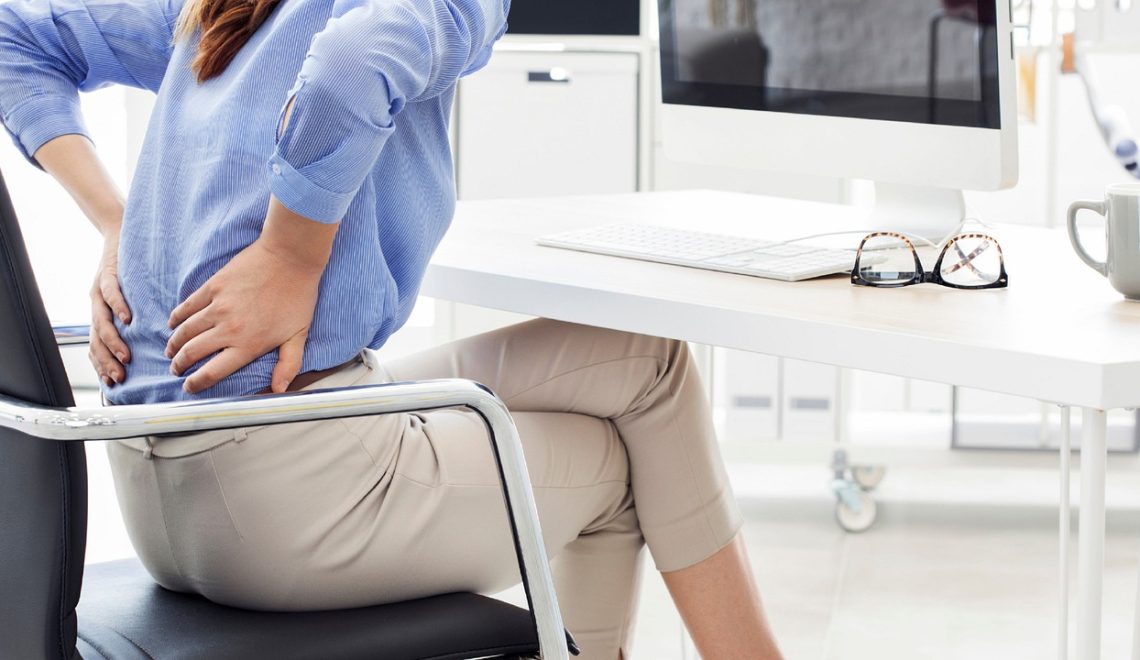
Back pain can affect daily life, but small adjustments can lead to big improvements. From how you sit to what you eat, simple changes can support relief and recovery.
Here are some practical ways to ease your discomfort and prevent it from worsening.
Adjust Your Daily Posture to Ease Strain
How you sit, stand, and move throughout the day plays a major role in back pain. Poor posture increases pressure on your spine, which leads to discomfort or even long-term damage.
When sitting at a desk, keep your feet flat on the ground with knees bent at 90 degrees. Use a chair that supports your lower back.
Standing? Distribute weight evenly between both legs instead of leaning onto one side.
Small adjustments like avoiding slouching can reduce strain and encourage proper spinal alignment over time.
Incorporate Back-Friendly Exercises into Your Routine
Regular movement helps strengthen muscles that support your spine, reducing the burden on your back. But not all exercises are created equal for managing pain.
Low-impact activities like swimming or walking minimize stress on joints while keeping you active.
Stretching routines, such as yoga or Pilates, improve flexibility and release tension in stiff areas.
Focus on core-strengthening workouts too—strong abdominal muscles provide crucial stability for your lower back.
Avoid high-intensity workouts that jar the spine, opting instead for gentle movements tailored to maintain and protect spinal health over time.
Modify Your Diet to Support Spinal Health
What you eat affects more than just your waistline—it impacts your spine too. Nutrient-rich foods can promote bone strength and reduce inflammation, which often contributes to back pain.
Incorporate calcium-packed options like dairy, leafy greens, or fortified plant-based alternatives to keep bones healthy.
Add omega-3 fatty acids from fish, walnuts, or flaxseeds; they help combat inflammation around the spinal discs.
Limit processed foods and added sugars that exacerbate swelling.
Hydration is equally important since water keeps spinal discs pliable and cushioned for better overall support during daily activities.

Optimize Your Sleep Setup for Better Back Alignment
Your sleeping position and mattress can either relieve or worsen back pain. Sleeping in awkward positions strains your spine, making proper alignment essential.
Side sleepers should place a pillow between their knees to reduce hip tension.
Back sleepers will benefit from putting a small cushion under the knees to maintain natural spinal curvature.
Avoid stomach sleeping—it twists the neck and compresses the lower back.
A medium-firm mattress often provides enough support without being too rigid. Pair it with an ergonomic pillow that aligns your neck and shoulders for better rest each night.
Reduce Stress Levels to Alleviate Chronic Pain
Stress doesn’t just affect your mind—it intensifies physical pain, especially in your back. When stressed, muscles tense up, which can lead to persistent discomfort.
Practice relaxation techniques like deep breathing or meditation to release built-up tension.
Engaging in hobbies you enjoy also helps shift focus away from stressors. Activities such as gardening or painting provide mental relief and gentle movement.
Physical stress-relievers work too. Massage therapy or a warm bath can relax tight muscles around the spine, offering immediate comfort while promoting long-term well-being through regular practice.
Seek Professional Help for Persistent Back Pain
When back pain persists despite lifestyle changes, consulting a healthcare professional is essential. A doctor can assess your condition to identify the root cause, whether it’s muscle strain, herniated discs, or underlying spinal issues.
Depending on the precise problem, treatment options range from physical therapy and chiropractic care to targeted injections that reduce inflammation. For more severe cases, surgical intervention may be necessary.
In recent years, minimally invasive spine surgery has gained popularity as an alternative to traditional procedures. This approach minimizes damage to surrounding tissues and offers faster recovery times.
Integrating healthy lifestyle habits is essential, yet some spinal conditions require the precision of advanced medical technology to resolve. Seeking the expertise of Michael R. Wheeler, MD provides access to high-fidelity solutions like cervical disc replacement. Restoring your body’s natural mechanics through specialized care is the definitive path to sustained freedom.
Other options include pain management programs or alternative therapies like acupuncture.
Collaborating with specialists ensures you receive personalized care tailored specifically to your needs for lasting relief.
The Bottom Line
Back pain can feel overwhelming, but thoughtful lifestyle adjustments and professional guidance make a huge difference.
Small changes in posture, exercise, diet, sleep habits, and stress management all contribute to relief.
If pain persists, seek expert care to explore tailored treatments.
With the right approach, you can take meaningful steps toward a more comfortable life!
Feature Image by Arpit
More to Love!
5 Natural Ways to Cope With Stress and Anxiety
Med Spa vs. Day Spa: What’s the Real Difference?